How to Transplant Texas bedstraw?
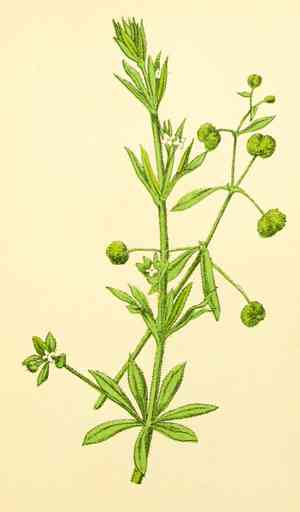
The ideal period for relocating Texas bedstraw is from late fall through the close of winter, since lower temperatures aid in minimizing shock. Select a bright spot with soil that drains effectively for peak development.
Preparations Required Before Relocating Texas Bedstraw
Optimal Period for Moving Texas Bedstraw?
Texas bedstraw, a perennial, flourishes most when moved between late autumn and early spring. This timeframe offers cooler temperatures and increased soil moisture, lessening transplant shock. Relocating during this period enables texas bedstraw to establish its root system prior to the vigorous growth of warmer months, ensuring healthier, more robust plants.
Recommended Spacing Between Texas Bedstraw Plants?
Ensure a 12-15 inch (30-38 cm) gap between texas bedstraw plants. This provides ample room for each plant to develop and thrive. Mark your planting spots to maintain consistent distances.
Ideal Soil Blend for Texas Bedstraw Relocation?
Prepare soil that drains well and is rich in organic matter. Incorporate a foundational fertilizer, such as a balanced 10-10-10 (NPK) blend, when preparing the soil. Mix the fertilizer into the top 6 inches (15 cm) of soil before transplanting texas bedstraw.
Where to Replant Your Texas Bedstraw?
Select a site with full sun to partial shade for planting texas bedstraw. It thrives with at least 6 hours of daily sunlight, but can endure some afternoon shade if your region experiences intense heat.
Equipment Needed Before Transplanting Texas Bedstraw
Gardening Gloves
To safeguard your hands while handling soil and plants.
Spade or Shovel
For digging around and lifting the plant.
Hand Trowel
Useful for more delicate excavation tasks.
Pruning Shears
To trim any damaged roots or foliage.
Watering Can or Hose
For moistening the soil before and after relocation.
Mulch
To help retain soil moisture and foster a favorable growing environment.
How to Extract Texas Bedstraw from the Soil?
How to Extract Texas Bedstraw from the Soil?
From Ground: First, hydrate the texas bedstraw plant to moisten the soil. Next, dig a wide trench around the plant using a shovel or spade, ensuring the plant's root ball remains intact. Carefully work the spade beneath the root ball to lift the plant from its original spot.From Pot: Gently water the texas bedstraw plant to facilitate its removal. Grasp the stem's base, invert the pot, and carefully tap the bottom to release the plant. Ensure the root ball stays intact.From Seedling Tray: Water the seedlings to simplify removal. Use a hand trowel or your fingers to gently loosen the soil around each texas bedstraw seedling, then lift it out, aiming to keep as much of the root system intact as possible.
Step-by-Step Guide for Relocating Texas Bedstraw
Site Preparation
Prepare the new planting location by digging a hole slightly larger than the texas bedstraw's root ball. Ensure the soil drains effectively.
Hole Depth
Confirm the hole's depth matches the depth at which the texas bedstraw was previously planted to prevent plant stress.
Plant Placement
Position the texas bedstraw in the hole's center, ensuring the top of the root ball is level with the ground surface.
Backfill Soil
Refill the hole with the excavated soil, gently pressing it around the plant to eliminate air pockets. Avoid excessive compaction, which can hinder root growth.
Water Thoroughly
Water the newly transplanted texas bedstraw plant thoroughly to settle the soil around its roots and aid its adjustment to the new environment.
Apply Mulch
Spread a layer of mulch around the plant's base to help retain moisture and suppress weeds, keeping it a few inches from the stem.
Post-Transplant Care for Texas Bedstraw
Watering
Maintain consistent soil moisture around the texas bedstraw, avoiding sogginess, for the initial weeks after transplanting to encourage strong root development.
Monitoring
Observe for signs of transplant shock, such as wilting or yellowing leaves, and address them promptly by providing additional care as needed.
Pruning
Trim any damaged or dead leaves to allow the plant to direct its energy towards new growth.
Support
If the texas bedstraw shows signs of leaning or drooping, offer gentle support with stakes or garden ties to help it remain upright until it is well-established.
Addressing Common Issues During Texas Bedstraw Transplantation
When is the best time to move texas bedstraw?
The optimal period is from late autumn to late winter for peak growth.
What spacing should I maintain between texas bedstraw plants?
Space plants 12-15 inches (30-38 cm) apart to prevent overcrowding.
Which soil type is ideal for texas bedstraw relocation?
Texas bedstraw thrives in well-drained, sandy or loamy soil with a neutral pH.
How deep should I plant texas bedstraw during transplanting?
Plant at the same depth it was growing in its previous location.
What actions should I take if texas bedstraw exhibits transplant shock?
Water generously, provide partial shade, and avoid immediate fertilization to lessen stress.
How frequently should I water texas bedstraw after transplanting?
Water regularly, but allow the topsoil to dry slightly between watering sessions.
Is pruning necessary for texas bedstraw after transplanting?
Lightly prune any damaged or excessively long roots and water the plant well.
What kind of mulch benefits texas bedstraw after transplanting?
Utilize organic mulch like straw or bark to retain moisture and regulate soil temperature.
How can I prevent root rot when transplanting texas bedstraw?
Ensure good soil drainage and avoid overwatering to prevent root rot.
Should I fertilize texas bedstraw immediately after transplanting?
Wait a few weeks before fertilizing to allow the plant to establish itself in the new location.



