How to Prune Texas bedstraw?
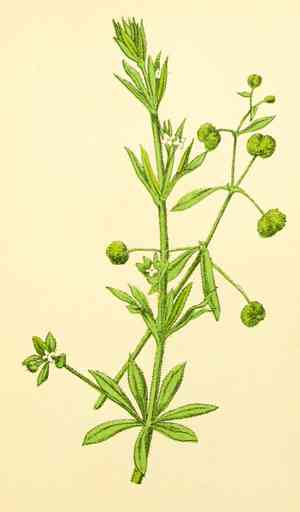
Texas bedstraw features slender, spiraled foliage and tiny, star-like blossoms. Trim in early spring or late winter while the plant is inactive to foster vigorous development. Eliminate deceased or compromised stalks to improve air circulation and light exposure. Refrain from severe cutting, as this can harm the plant. Consistent reduction of overgrown sections aids in preserving its form and vigor. Trimming texas bedstraw is especially advantageous for averting illnesses and stimulating a more prolific flowering period.
What Are the Benefits of Pruning Texas Bedstraw?
What Are the Benefits of Pruning Texas Bedstraw?
Pruning Texas bedstraw encourages robust development and helps maintain its desired form. This practice aids in managing its expansion, fosters healthier foliage, and lessens the likelihood of pest problems, ensuring a neat and strong plant.
What Is the Best Time for Pruning Texas Bedstraw?
What Is the Best Time for Pruning Texas Bedstraw?
Trimming during early spring and late winter is ideal for texas bedstraw as these periods coincide with the plant's dormant state, reducing stress and encouraging healthy development. Pruning just before the start of the growing season allows the plant to recover quickly and boosts its capacity to produce vigorous new growth. Furthermore, this timing avoids disrupting flowering or fruiting stages, ensuring better plant health and aesthetic appeal throughout the growing season.
What Tools Do I Need to Prune Texas Bedstraw?
Hand Pruners
Perfect for precise cuts on smaller stems and branches, common for texas bedstraw. They offer control and minimize plant damage.
Bypass Pruners
These pruners create clean cuts, crucial for reducing harm and encouraging healthy regrowth in texas bedstraw.
Precision Shears
Useful for detailed trimming and shaping of texas bedstraw due to its delicate growth habit.
Pruning Knife
Helpful for cutting small shoots and deadheading flowers, ensuring clean, accurate cuts without crushing texas bedstraw stems.
Disinfectant Wipes
Essential for sanitizing pruning tools to prevent disease transmission with texas bedstraw.
How to Prune Texas Bedstraw
Identify
Examine texas bedstraw to pinpoint any diseased or withered leaves that require removal.
Tools
Utilize clean, sharp pruning shears or scissors to ensure a precise cut and prevent further damage to texas bedstraw.
Cut diseased
Carefully remove any diseased leaves at their base, taking care not to harm healthy parts of texas bedstraw. Dispose of affected leaves to stop disease spread.
Cut withered
Trim withered leaves by cutting them at their base or where they meet healthy growth. Avoid leaving stubs, which can hinder regeneration.
Inspect
After pruning, check texas bedstraw to confirm all diseased and withered leaves have been properly removed. Regularly monitor texas bedstraw for any new signs of disease or wilting.
Common Pruning Mistakes with Texas Bedstraw
Over-Pruning
Removing too much of the plant at once can stress texas bedstraw, hindering its ability to recover and flourish.
Incorrect Tools
Using dull or unsuitable tools can create jagged cuts, leading to open wounds susceptible to disease and pest infestations.
Improper Technique
Failing to make clean cuts at the correct angle can harm the plant and impede proper healing.
Ignoring Dead or Diseased Parts
Neglecting to remove dead or diseased stems can spread infections and negatively impact the overall health of texas bedstraw.
Pruning at the Wrong Time
Although timing specifics are excluded here, pruning during active growth can be detrimental due to the plant's energy requirements.
Common Pruning Tips for Texas Bedstraw
Use Sharp, Clean Tools
Ensure your pruning shears or scissors are sharp and sanitized before use to make clean cuts that heal quickly.
Remove Dead or Diseased Wood First
Begin by removing any dead, damaged, or diseased branches to prevent the spread of infections.
Make Clean Cuts
Always make cuts at a slight angle just above a node or bud to promote healthy new growth and adequate healing.
Prune for Air Circulation
Thin out dense areas to improve air circulation within the plant, which can help prevent fungal diseases and encourage healthy growth.
Be Conservative
When in doubt, prune less rather than more. It's easier to correct under-pruning in the future than to remedy over-pruning.



