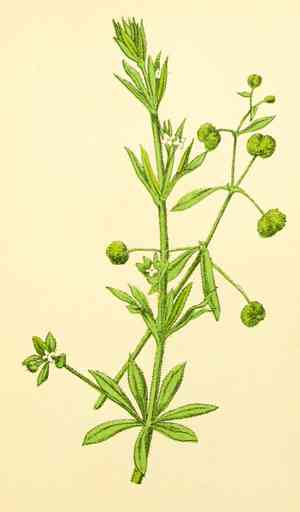
Texas bedstraw (Galium texense)
Also known as: Texas bedstraw
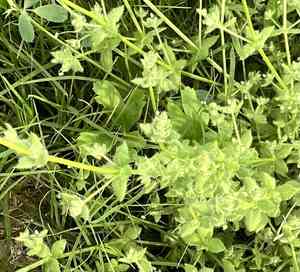
Texas bedstraw is a perennial herb that thrives in the dry, rocky limestone soils commonly found in Texas. It features whorled, narrow leaves along its characteristic square stems. During the spring and summer months, it produces small clusters of yellow to greenish-white flowers. This resilient plant is well-adapted to arid conditions, boasting a root system that supports drought tolerance.
In This Article
Attributes of Texas bedstraw
Lifespan
Perennial
Plant Type
Herb
Plant Height
0 mm to 30 cm
Spread
Spreading/Matt-forming, extensive
Leaf Color
Green
Flower Size
2-3 mm
Flower Color
White to greenish
Images of Texas bedstraw
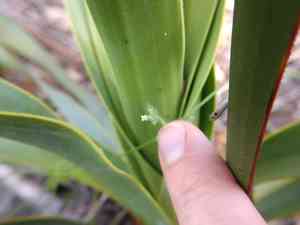
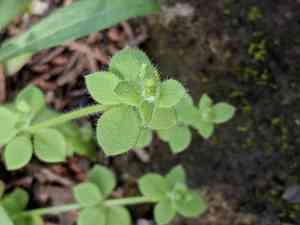
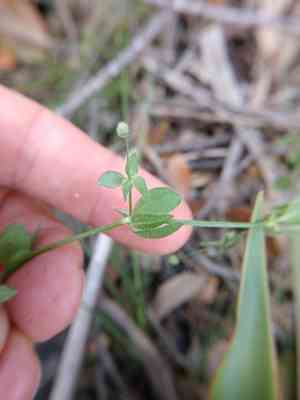
Quickly Identify Texas bedstraw
1
Texas bedstraw can be identified by its small white to greenish flowers, whorls of narrow leaves, and the sprawling, mat-forming growth habit. It often forms dense ground covers and can be found in wooded or shady areas.
Scientific Classification of Texas bedstraw
Phylum
Vascular plants
Class
Dicotyledons
Order
Gentianales
Family
Madder
Genus
Bedstraws
Species
Texas bedstraw
Planting and Growing of Texas bedstraw
Care Difficulty
Easy
Watering Schedule
Every 3 days
Sunlight Requirements
Partial sun
Sunshine Duration
4-8 hours
Ideal Temperature
60-75℉
Soil Type
Potting Mix, Peat Mix
Soil pH
6.5-7.5
Fertilizer Type
Balanced
Pruning Season
Spring, Summer
Pruning Area
Branches, Leaves
Pruning Frequency
2 times a year
Repotting Season
Spring
Pot Type
Plastic, Ceramic
 How to Water Texas bedstraw?
Galium texense prefers a moderate watering amount, around 150 ml per session. Ensure the soil is consistently damp but not waterlogged. This volume helps maintain the moisture level without oversaturating the roots, providing a nurturing environment for the plant to thrive.
What are the symptoms of an underwatered Texas bedstraw?
›
What should I do if my Texas bedstraw is not getting enough water?
›
What are the symptoms of an overwatered Texas bedstraw?
›
How to save an overwatered Texas bedstraw?
›
 What Are the Sunlight Requirements for Texas bedstraw?
Partial sun is ideal for Galium texense, as it allows the plant to optimize photosynthesis while preventing light-induced stress. This balance fosters healthy growth and strengthens its natural defenses.
Optimal Light Exposure
›
Adjusting Light Conditions
›
Effects of Ideal Lighting
›
 What Is the Ideal Temperature Range for Texas bedstraw?
The ideal temperature range for growing Galium texense is between 60°F to 75°F. This range provides optimal conditions for photosynthesis and nutrient uptake. Maintaining these temperatures ensures that the plant can thrive, promoting healthy growth and potentially leading to successful flowering and reproduction.
 What Soil is Best for Texas bedstraw?
Galium texense thrives in well-drained soil, which prevents waterlogging and root rot. Ensuring good drainage enables the roots to breathe, reducing the risk of fungal diseases. Rich soil provides essential nutrients for optimal growth of Galium texense. A fertile soil promotes robust growth, healthy foliage, and enhanced flowering, ensuring the plant's longevity and vibrancy. Maintaining consistent moisture levels without overwatering is crucial. This balance prevents stress on the plant, promoting healthy root development and preventing dehydration.
 How to Fertilize Texas bedstraw?
For Galium texense, a moderate approach is best in terms of fertilization. Use a diluted liquid fertilizer at one-quarter strength to avoid over-nutrification, applied every month during the growing season. For slow-release fertilizers, apply 1 tablespoon per plant once every 6 months.
 How to Prune Texas bedstraw?
Before you begin pruning Galium texense, ensure you have clean, sharp pruning shears to make precise cuts. Remove any dead or damaged stems at the base to promote airflow and decrease the risk of disease. Carefully trim overgrown sections by cutting above a leaf node to encourage lateral growth. This technique not only helps in maintaining a tidy shape but also encourages a fuller appearance. Every few years, consider performing a more vigorous pruning to rejuvenate the plant. Cut back one-third of the oldest stems to the ground, allowing new, healthy growth to emerge.
More About Pruning Techniques→
 How to Propagate Texas bedstraw plant?
1
Gather mature seeds from healthy Galium texense plants. Ensure that the seed pods are dry and have turned brown before collection to guarantee viability.
2
Fill the seed tray with potting mix, then evenly distribute the seeds over the soil surface. Lightly cover the seeds with a thin layer of the mix, ensuring they are just embedded.
3
After sowing, mist the soil surface gently to moisten it. Maintain consistent moisture without waterlogging by watering regularly, allowing for adequate drainage.
 How to Repot Texas bedstraw plant?
1
You'll know it's time to repot your Galium texense when you see roots growing out of the drainage holes or when the plant’s growth appears stunted. Spring is the ideal time for repotting, as this is when the plant is actively growing, making it better equipped to handle a change in environment.
2
Select a pot that is 1-2 inches larger in diameter than the current one. The pot should have ample drainage holes to prevent waterlogging, which can cause root rot. A slightly larger pot allows roots room to grow without overwhelming them with too much space.
3
Opt for a well-draining potting mix with a balanced nutrient content. This type of soil encourages healthy root development and prevents soggy conditions that can lead to root decay. Avoid garden soil as it compacts easily and retains too much moisture.



