How to Transplant Heath bedstraw?
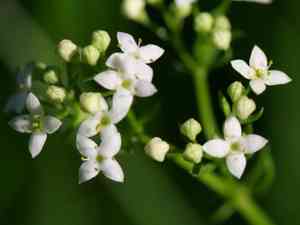
The optimal period for transplanting heath bedstraw spans from early spring to the onset of summer, facilitating robust development. Select a location with good drainage and ample sunlight, pre-enriching the earth, and gradually introduce heath bedstraw to its new environment.
What Preparations are Needed Before Transplanting Heath Bedstraw?
What is the Ideal Time for Transplanting Heath Bedstraw?
Moving heath bedstraw as the cold season ends provides an optimal window for root development, leveraging damp earth and cooler temperatures for vigorous growth. Allowing heath bedstraw this period ensures its prosperity, tapping into the gentle resurgence of early to mid-spring. This timing, moreover, perfectly aligns with heath bedstraw's growth cycle, offering ample time for adaptation before the warmth of summer.
How Much Space Should You Leave Between Heath Bedstraw Plants?
Prior to placing your heath bedstraw in their new spot, ensure adequate spacing to allow for proper development. Aim for a comfortable distance of approximately 6-8 inches (15-20 cm) between each specimen.
What is the Best Soil Mix for Heath Bedstraw Transplanting?
For your heath bedstraw to flourish, prepare the bed with soil that drains effectively. If your ground is dense, consider incorporating sand or organic compost to lighten it. A balanced, slow-release plant food will provide a beneficial nutrient boost.
Where Should You Relocate Your Heath Bedstraw?
Your heath bedstraw enjoys basking in the sun but also appreciates some shade. A location with full sun to partial shade would be ideal for them. Seek out a spot where they will receive gentle morning light with some afternoon protection.
What Equipments Should You Prepare Before Transplantation Heath Bedstraw?
Gardening Gloves
To safeguard your hands while handling soil and plants.
Shovel or Spade
For excavating around and beneath the heath bedstraw to extract it from the ground or container with minimal root disturbance.
Garden Fork
To aerate the soil surrounding the plant's root system without causing excessive damage to the roots.
Watering Can or Hose
To hydrate the heath bedstraw before and after the relocation process to lessen transplant shock.
Wheelbarrow
To move the heath bedstraw and soil to and from the new planting site, if required.
Pruning Shears
To trim any damaged or excessively long roots prior to transplanting.
Measuring Tape
To assist in positioning multiple plants at the correct distance from one another.
How Do You Remove Heath Bedstraw from the Soil?
How Do You Remove Heath Bedstraw from the Soil?
From Ground: First, moisten the heath bedstraw plant to dampen the earth. Next, excavate a wide trench around the plant using a shovel or spade, ensuring the plant's root ball remains intact. Carefully work the spade beneath the root ball to lift the plant from its original position.From Pot: Water the heath bedstraw thoroughly. Gently tap the container's sides to loosen the soil. Turn the pot sideways and support the heath bedstraw as you carefully slide it out. Support the root ball to prevent it from disintegrating.From Seedling Tray: Dampen the soil in the seedling tray. Use a gardening tool such as a fork to gently lift the heath bedstraw from its cell, taking care not to harm the delicate roots or stems.
Step-by-Step Guide for Transplanting Heath Bedstraw
Prepare the New Site
Before relocating the heath bedstraw, dig a hole in the new spot that is twice as wide and the same depth as the root ball.
Root Pruning
Carefully trim any damaged roots with pruning shears to encourage fresh growth after transplanting.
Placing the Plant
Position the heath bedstraw into the hole so that the top of the root ball is level with the soil surface. Avoid planting too deeply or too shallowly.
Fill the Hole
Backfill the hole with soil, gently firming it down without compacting, to eliminate air pockets that can dry out roots.
Water Thoroughly
Water the heath bedstraw generously immediately after transplanting to help settle the soil around the roots and aid in recovery.
Add Support
If the heath bedstraw is tall or top-heavy, insert a stake and loosely tie the plant to it for support until its roots establish.
How Do You Care For Heath Bedstraw After Transplanting?
Monitoring
Regularly check the soil moisture around the heath bedstraw, ensuring that it is damp but not waterlogged. Adjust irrigation frequency as needed.
Mulching
Apply a layer of organic mulch around the base of the heath bedstraw to retain moisture, regulate soil temperature, and reduce weed growth.
Wound Care
If any part of the heath bedstraw was injured during transplanting, treat with an appropriate pruning sealer or allow it to heal naturally, depending on the severity.
Staking
Ensure that any stakes or supports are not impeding the growth of the heath bedstraw and adjust as necessary as the plant develops.
Troubleshooting Common Issues with Heath Bedstraw Transplantation.
What's the best time to transplant heath bedstraw?
Relocate heath bedstraw when nature revives, ideally from early to late spring for optimal root establishment.
How far apart should I space heath bedstraw when transplanting?
Allow each heath bedstraw ample room to thrive, spacing them 6-8 inches (15-20 cm) apart.
How deep should the hole be for transplanting heath bedstraw?
Excavate a welcoming bed for heath bedstraw about twice the root ball's width and the same depth.
Why is my heath bedstraw wilting after transplanting?
Heath bedstraw might show signs of stress with wilting; ensure consistent soil moisture and protection from intense sun.
Should I amend the soil when transplanting heath bedstraw?
Enrich the new location for heath bedstraw with compost or well-rotted manure to encourage vigorous growth.
How much should I water heath bedstraw after transplanting?
Nurture heath bedstraw with water right after transplanting, and continue with moderate watering until it settles in.
Can I transplant heath bedstraw on a hot day?
Avoid stress by choosing a cool, overcast day to move heath bedstraw, helping it adapt better.
Why are the leaves of heath bedstraw turning yellow after transplanting?
Yellow leaves might indicate distress; maintain soil moisture and avoid both drought and excessive wetness.
How should I care for heath bedstraw immediately after transplanting?
Post-relocation, shield heath bedstraw from strong sunlight and provide a good drink to ease the transition.
Can I apply fertilizer right after transplanting heath bedstraw?
Delay feeding heath bedstraw until it exhibits new growth, as premature fertilization can overwhelm it.



