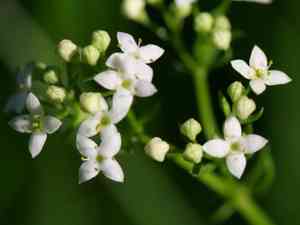
Heath bedstraw (Galium saxatile)
Also known as: Heath Bedstraw, Moorland Bedstraw
Heath bedstraw is a common plant found in acidic soils. It features mildly fragrant leaves and upright flower clusters. The flowers of this plant are known to attract the mountain ringlet butterfly, which feeds on its nectar.
In This Article
Attributes of Heath bedstraw
Lifespan
Perennial
Plant Type
Herb
Plant Height
30 cm
Spread
1.5 m
Leaf Color
Green
Flower Size
2 mm to 3 mm
Flower Color
White
Images of Heath bedstraw
Quickly Identify Heath bedstraw
1
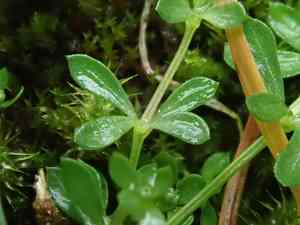
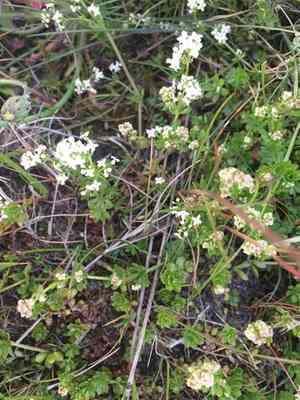
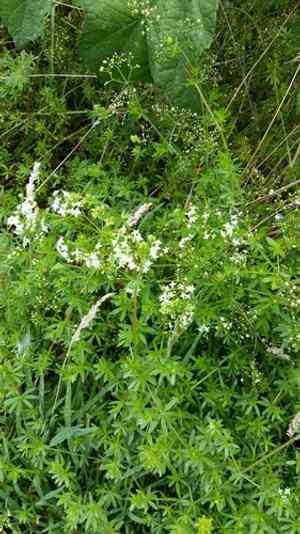
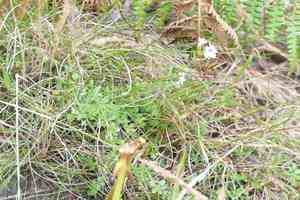
To identify Galium saxatile, look for its tiny star-shaped white flowers and square stems that are mildly rough to the touch. The leaves are small, lanceolate, and occur in whorls around the stem. It typically grows close to the ground and forms a dense mat.
Scientific Classification of Heath bedstraw
Phylum
Vascular plants
Class
Dicotyledons
Order
Gentianales
Family
Madder
Genus
Bedstraws
Species
Heath bedstraw
Planting and Growing of Heath bedstraw
Care Difficulty
Easy
Watering Schedule
Every 2 days
Sunlight Requirements
Partial sun
Sunshine Duration
6-10 hours
Ideal Temperature
50-68℉
Soil Type
Potting Mix, Peat Mix
Soil pH
5.5-7.5
Fertilizer Type
Balanced
Pruning Season
Spring, Summer
Pruning Area
Branches, Leaves
Pruning Frequency
2 times a year
Repotting Season
Spring
Pot Type
Plastic, Ceramic
 How to Water Heath bedstraw?
Galium saxatile thrives in environments where the soil is evenly moist but not waterlogged. Watering needs to ensure that about 200 ml of water per session is enough to saturate the plant's root zone. The soil should be moist but have proper drainage to allow excess water to escape, mimicking the plant's native habitat.
What are the symptoms of an underwatered Heath bedstraw?
›
What should I do if my Heath bedstraw is not getting enough water?
›
What are the symptoms of an overwatered Heath bedstraw?
›
How to save an overwatered Heath bedstraw?
›
 What Are the Sunlight Requirements for Heath bedstraw?
Galium saxatile flourishes in shaded to partially sunny areas. Ideal light conditions support vigorous growth, vibrant foliage, and health, replicating the plant's native understory conditions.
More About Sunlight Requirements Techniques→
What is the best location for Galium saxatile?
›
How can I ensure adequate sunlight while avoiding excessive exposure?
›
What benefits does ideal sunlight provide to Galium saxatile?
›
 What Is the Ideal Temperature Range for Heath bedstraw?
For optimal growth, Galium saxatile thrives best in temperatures between 50°F to 68°F. This range provides a comfortable climate for its photosynthetic processes and helps maintain its vibrant foliage. Keeping temperatures within this range ensures that the plant's physiological functions operate efficiently, avoiding stress that could hinder its growth and health.
 What Soil is Best for Heath bedstraw?
Galium saxatile thrives in well-drained soil that prevents waterlogging. This type of soil ensures that the roots do not rot, promoting healthy plant growth and abundant flowering. This plant prefers soil with moderate nutrient content. It doesn't require excessively rich soil, making it easy to maintain in gardens with average fertility. While well-drained, the soil should also retain some moisture to keep Galium saxatile hydrated. This balance helps the plant grow lush and reduces the need for frequent watering.
 How to Fertilize Heath bedstraw?
Galium saxatile, commonly known as heath bedstraw, requires modest fertilization compared to many garden plants. Use a balanced liquid fertilizer diluted to half its strength; approximately 1 liter per square meter is sufficient during the growing season. Avoid over-application to prevent nutrient burn.
 How to Prune Heath bedstraw?
Start by removing any dead or diseased stems. This not only improves the plant's appearance but also prevents the spread of disease. Next, trim back any overgrown areas to maintain a neat, compact shape. Focus on areas that may disrupt the natural symmetry of the plant. By selectively cutting back some stems, you stimulate the plant to produce fresh, vigorous growth. This helps keep the plant looking lush and vibrant.
More About Pruning Techniques→
 How to Propagate Heath bedstraw plant?
1
Collect mature seeds from the plant and let them dry. Stratification may be beneficial, simulating winter conditions to break seed dormancy. Place seeds in moist sand and keep in the refrigerator for several weeks.
2
Select healthy stems of Galium saxatile and cut them just below a node. It's important to ensure the cuttings have at least three leaves. Remove the lower leaves to facilitate rooting and hormonal uptake.
3
Carefully lift the Galium saxatile plant from its growing medium. Use a sharp knife or spade to divide the root mass into sections. Each section should have both roots and shoots to ensure successful propagation.
 How to Repot Heath bedstraw plant?
1
Repotting Galium saxatile should be done when you notice the roots are beginning to outgrow the current pot, creeping out of drainage holes. This typically indicates that the plant needs more space for its roots to spread and access nutrients efficiently. Spring and early summer are ideal seasons as new growth is vigorous, allowing the plant to recover swiftly after a change.
2
Select a pot that is just one size larger than the current one, with adequate drainage holes. This ensures that the plant doesn’t retain too much water, which can lead to root rot. A slightly larger pot prevents unused soil from holding moisture and provides enough room for root development, promoting healthy growth.
3
Opt for a well-draining, sandy soil mix to mimic the natural rocky terrain where this plant thrives. This kind of soil ensures that water can pass through easily, preventing waterlogging while maintaining the necessary aeration for root health. The right soil mix supports strong and healthy growth, especially in container settings.



