How to Prune Heath bedstraw?
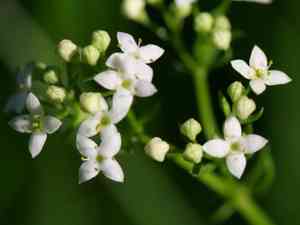
Heath bedstraw, a perennial groundcover featuring slender, needle-like foliage, needs very little trimming to preserve its compact, mat-like structure. Perform light pruning in the spring to stimulate fresh development or following its summer bloom to sculpt and manage its expansion. Trimming during these periods aids in revitalizing heath bedstraw, promoting robust growth. Refrain from cutting into hardened stems, as this may impede its recuperation. Consistent pruning contributes to a more vibrant and visually appealing plant.
What Are the Benefits of Pruning Heath Bedstraw?
What Are the Benefits of Pruning Heath Bedstraw?
Trimming heath bedstraw promotes robust development and helps maintain its desired form. Well-timed cuts can stimulate new shoots, ensuring a dense, healthy plant that enhances its natural habitat presence.
What Is the Best Time for Pruning Heath Bedstraw?
What Is the Best Time for Pruning Heath Bedstraw?
Trimming heath bedstraw from late spring to early summer aligns with its post-flowering phase, allowing gardeners to shape the plant and manage its spread without hindering bloom production. This timing avoids the critical early spring growth period when heath bedstraw accumulates energy and prepares for flowering. Late spring pruning ensures the removal of faded flowers, promoting a neater growth habit and potentially encouraging a second bloom. Early summer pruning can be used for size control and preventing heath bedstraw from encroaching on other plants. Pruning during this time also reduces the risk of disease and pest infestation, as fresh cuts heal faster in mild weather, preventing exposure to pathogens common in high humidity or wet conditions.
What Tools Do I Need to Prune Heath Bedstraw?
Hand Pruners
For precise cutting of stems and removal of spent flowers to encourage heath bedstraw growth and maintain plant shape. Hand pruners provide a clean cut that helps prevent damage to the delicate stems of heath bedstraw.
Shears
Ideal for shaping heath bedstraw when a larger section of the plant needs to be cut back or for managing dense growth. Shears allow for quick, straight cuts across multiple stems.
Gardening Gloves
While heath bedstraw is not known for being particularly hazardous, wearing gloves can protect hands from any potential skin irritation during the pruning process and provide a better grip on the tools.
How to Prune Heath Bedstraw
Sterilize tools
Before pruning heath bedstraw, ensure that all cutting tools are clean and sterilized to prevent disease spread.
Diseased material removal
Carefully trim away any visibly diseased leaves and stems from heath bedstraw using sharp scissors or pruners to prevent infection of healthy parts.
Withered leaf removal
Remove withered or dead leaves from heath bedstraw by cutting them at the base where the leaf stem meets the main stem or branch.
Healthy growth encouragement
Prune back the tips of healthy stems to encourage bushier growth if heath bedstraw is becoming leggy or overgrown.
Cleanup
After completing the pruning of heath bedstraw, collect and dispose of all removed plant material to reduce the chance of disease spreading.
Common Pruning Mistakes with Heath Bedstraw
Overpruning
Removing too much growth at once can stress heath bedstraw, leading to poor growth or vulnerability to disease.
Pruning into old wood
Heath bedstraw doesn't always regenerate effectively when cut back into old, non-green wood, which can result in bare patches.
Inconsistent pruning
Pruning heath bedstraw only sporadically can result in an uneven shape and may not enhance blooming as effectively.
Not disinfecting tools
Neglecting to clean pruning tools between uses can spread disease to heath bedstraw.
Rough cuts
Making jagged or torn cuts instead of clean ones can damage heath bedstraw and create openings for pests and diseases.
Ignoring plant health
Pruning heath bedstraw when it is stressed from factors like drought or pests can further harm the plant.
Common Pruning Tips for Heath Bedstraw
Sharp tools
Use sharp pruning shears to make clean cuts that heal quicker and minimize stress on heath bedstraw.
Selective thinning
Carefully thin out crowded areas to increase air circulation and light penetration, which encourages healthy growth in heath bedstraw.
Encouraging new growth
Prune to just above a set of leaves to encourage bushier growth and maintain the dense, mat-forming habit of heath bedstraw.
Maintaining plant shape
Regularly trim straggly branches to keep heath bedstraw looking tidy and to maintain its compact shape.
Deadheading
Remove spent flowers promptly to potentially extend the flowering period and improve the appearance of heath bedstraw.
Tool hygiene
Disinfect pruning tools with a mild bleach solution or alcohol before and after use to prevent spreading disease to or from heath bedstraw.



