How to Transplant Round-leaved bedstraw?
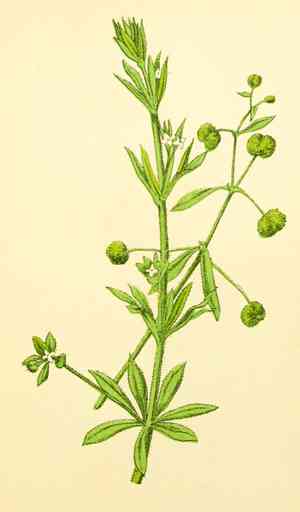
Round-leaved bedstraw is best relocated from the onset of early spring's thaw through the welcoming warmth of late spring. Provide partial shade and damp, adequately draining soil for successful establishment. A delicate, encouraging approach assists root integration.
What Preparations are Needed Before Transplanting Round-leaved Bedstraw?
What is the Ideal Time for Transplanting Round-leaved Bedstraw?
The best time to move round-leaved bedstraw is during the revitalizing period of early to mid-spring. This season provides an excellent balance of cooler temperatures and the start of new growth, giving round-leaved bedstraw a stable environment to establish its root system. Moving round-leaved bedstraw at this time allows it to recover from any shock before the summer heat, promoting strong development. Friendly advice: by choosing this period, you're giving round-leaved bedstraw the most gentle start in its new spot!
How Much Space Should You Leave Between Round-leaved Bedstraw Plants?
Let's ensure your round-leaved bedstraws have ample room to thrive! Aim for a comfortable spacing of approximately 6-12 inches (15-30 cm) between each plant. This will guarantee they have sufficient space to grow robust and healthy!
What is the Best Soil Mix for Round-leaved Bedstraw Transplanting?
Before your round-leaved bedstraws relocate, prepare a welcoming area with soil that drains well. Incorporating organic compost as a base will offer a nourishing beginning. The optimal soil pH should be slightly acidic to neutral, ranging from 5.5 to 7.0.
Where Should You Relocate Your Round-leaved Bedstraw?
Find an ideal location for your round-leaved bedstraws that provides partial shade; they appreciate some sun exposure but also enjoy their afternoon rest in cool shade. This balance helps them flourish and display their beauty!
What Equipments Should You Prepare Before Transplantation Round-leaved Bedstraw?
Gardening Gloves
To safeguard your hands while handling soil and plants.
Garden Trowel
For digging small holes and detailed soil work.
Hand Fork
To gently loosen soil around the plant's roots without causing harm.
Watering Can or Hose with a Gentle Spray Attachment
To hydrate the plant before and after its relocation.
Spade or Shovel
For excavating the plant and preparing the new planting site.
Wheelbarrow or Garden Cart
To transport the plant and soil as required.
Mulch
To help maintain soil moisture around the newly planted area.
Rooting Hormone (optional)
To stimulate root development in its new environment.
How Do You Remove Round-leaved Bedstraw from the Soil?
How Do You Remove Round-leaved Bedstraw from the Soil?
From Ground: Start by watering your round-leaved bedstraw plant to moisten the soil. Use a shovel or spade to create a wide circle around the plant, being careful not to cut too close to the root ball. Gently slide the spade under the root ball to carefully lift the plant from its original spot.From Pot: Water the round-leaved bedstraw to dampen the root ball, making extraction easier. Next, tilt the pot sideways and gently tap the bottom to help the plant slide out. If it resists, squeeze the pot's sides to loosen the soil.From Seedling Tray: Hydrate the round-leaved bedstraw seedlings prior to transfer. Use a small tool or stick to loosen the soil around each seedling. Carefully lift each seedling by its leaves, not the stems, to prevent damage.
Step-by-Step Guide for Transplanting Round-leaved Bedstraw
Digging the Hole
Excavate a hole in the new spot that is twice as wide and equally deep as the current root ball of your round-leaved bedstraw, ensuring not to harm the roots during the move.
Transplanting
Position your round-leaved bedstraw plant in the middle of the new hole. Adjust its depth so it sits at the same level it was growing previously. Backfill the hole with the excavated soil, gently pressing down to eliminate air pockets.
Watering
Once the round-leaved bedstraw is situated, water it thoroughly to settle the soil and remove any air gaps. The water also aids in root contact with the new soil.
Stabilizing
If needed, use stakes to support the plant and keep it upright. Be cautious not to damage the root system when inserting stakes.
Mulching
Apply a layer of mulch around the base of the round-leaved bedstraw to retain moisture, suppress weed growth, and shield the roots from temperature changes.
How Do You Care For Round-leaved Bedstraw After Transplanting?
Routine Watering
Ensure the soil around your round-leaved bedstraw stays consistently moist, but avoid excessive watering which can lead to root rot.
Checking for Pests
Regularly inspect your round-leaved bedstraw, especially after transplanting, for any indications of pests or diseases that might arise from transplant shock.
Observation
Monitor the round-leaved bedstraw plant's foliage for signs of wilting or discoloration, which can signal stress. Adjust care as necessary.
Pruning
Trim any damaged or dead leaves to help your round-leaved bedstraw direct its energy towards establishing new, healthy growth.
Support Communication
Join online gardening communities or forums where you can seek advice and share your experiences with other new gardeners.
Troubleshooting Common Issues with Round-leaved Bedstraw Transplantation.
When is the best time to transplant round-leaved bedstraw?
The ideal period for moving round-leaved bedstraw is from the beginning of spring's warmth until mid-spring, ensuring optimal root establishment before the summer heat.
How far apart should I space round-leaved bedstraw when transplanting?
Space round-leaved bedstraw ideally about 6-12 inches (15-30 cm) apart. This spacing allows ample room for growth while maintaining a full appearance.
What's the ideal soil for transplanting round-leaved bedstraw?
Utilize well-draining soil rich in organic matter to encourage healthy root development and overall growth of round-leaved bedstraw.
How much should I water round-leaved bedstraw after transplanting?
Water round-leaved bedstraw generously immediately after transplanting to settle the soil, then maintain consistent moisture, particularly during dry periods.
Does round-leaved bedstraw need full sun or shade when transplanted?
Round-leaved bedstraw is adaptable but thrives best in partial shade, providing protection from the most intense afternoon sun.
Can round-leaved bedstraw be transplanted on a windy day?
Avoid moving round-leaved bedstraw on excessively windy days, as dehydration can stress newly transplanted roots.
How deep should I plant round-leaved bedstraw during transplanting?
Dig a hole as deep as the root ball and twice as wide, positioning round-leaved bedstraw at the same depth it was in its previous container.
Should I apply fertilizer when transplanting round-leaved bedstraw?
It's best to skip immediate fertilization; allow round-leaved bedstraw to acclimate and establish roots, considering a mild feed after a few weeks if necessary.
How do I know if round-leaved bedstraw has transplant shock?
Signs of transplant shock include wilting, yellowing, or dropped leaves. Minimize stress with proper watering, mulching, and protection from strong sunlight.
After how long can round-leaved bedstraw be divided and transplanted?
Healthy round-leaved bedstraw can typically be divided and transplanted after several years of growth to rejuvenate the plant and create new starts.



