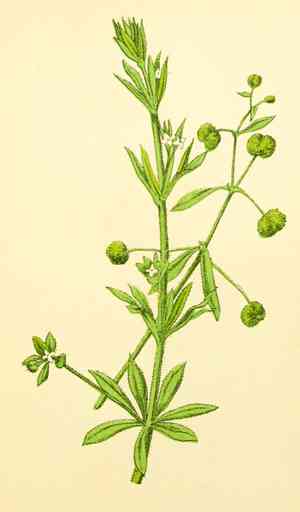
Round-leaved bedstraw (Galium rotundifolium)
Also known as: None
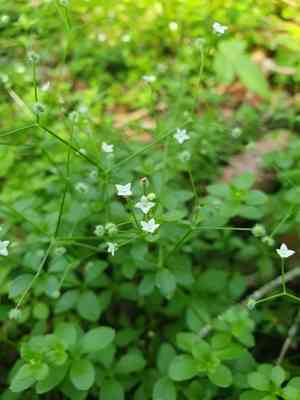
Galium rotundifolium, known as round-leaved bedstraw, is a herbaceous perennial found in various regions. It features distinctive rounded leaves arranged in whorls along the stem and small, white flowers that aren't typically grown for their visual appeal.
Although the flowers are not a major draw for gardeners, the plant's lush foliage can serve well in garden borders or as edging. Its ability to thrive in shaded, moist environments makes it a useful addition to woodland gardens or areas needing ground cover.
In This Article
Attributes of Round-leaved bedstraw
Lifespan
Perennial
Plant Type
Herb, Vine
Plant Height
10-50 cm
Spread
Not applicable
Leaf Color
Green
Flower Size
1-2 mm
Flower Color
White
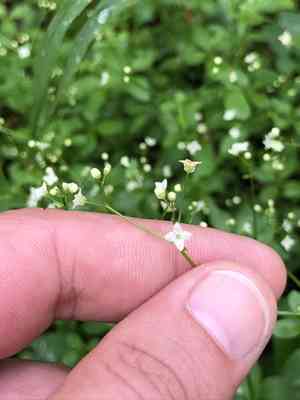
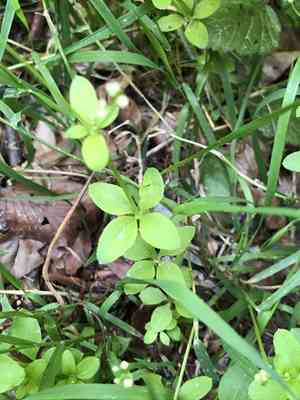
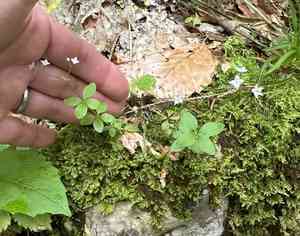
Images of Round-leaved bedstraw
Quickly Identify Round-leaved bedstraw
1
Galium rotundifolium can be identified by its round, whorled leaves and tiny white star-shaped flowers. The leaves are arranged in groups of 4-6 around the stem. The plant typically forms a mat-like ground cover in shaded woodland areas.
Scientific Classification of Round-leaved bedstraw
Phylum
Vascular plants
Class
Dicotyledons
Order
Gentianales
Family
Madder
Genus
Bedstraws
Species
Round-leaved bedstraw
Planting and Growing of Round-leaved bedstraw
Care Difficulty
Easy
Watering Schedule
Every 4 days
Sunlight Requirements
Partial sun
Sunshine Duration
4-6 hours
Ideal Temperature
60-75℉
Soil Type
Potting Mix, Peat Mix
Soil pH
6.5-7.5
Fertilizer Type
Balanced
Pruning Season
Spring, Summer
Pruning Area
Branches, Leaves
Pruning Frequency
2 times a year
Repotting Season
Spring
Pot Type
Plastic, Ceramic
 How to Water Round-leaved bedstraw?
For Galium rotundifolium, the watering should be sufficient to moisten the soil evenly but avoid waterlogging. Ideally, water until you notice a slight amount of water draining from the pot's bottom, indicating that the soil has been adequately moistened.
What are the symptoms of an underwatered Round-leaved bedstraw?
›
What should I do if my Round-leaved bedstraw is not getting enough water?
›
What are the symptoms of an overwatered Round-leaved bedstraw?
›
How to save an overwatered Round-leaved bedstraw?
›
 What Are the Sunlight Requirements for Round-leaved bedstraw?
Partial shade with dappled sunlight is perfect for Galium rotundifolium, as it mimics its natural environment and ensures healthy growth and attractive foliage.
What is the optimal lighting condition for Galium rotundifolium?
›
How can the ideal lighting be achieved for Galium rotundifolium?
›
What benefits arise from ideal lighting for Galium rotundifolium?
›
 What Is the Ideal Temperature Range for Round-leaved bedstraw?
For Galium rotundifolium to thrive, it is best maintained in an environment where temperatures range between 60°F to 75°F. These conditions mimic its native habitat and ensure optimal growth and health. Consistent temperatures within this range will help the plant maintain its biological processes effectively.
 What Soil is Best for Round-leaved bedstraw?
Galium rotundifolium thrives in well-drained soil that allows excess water to escape easily. This helps prevent root rot and promotes healthy root growth, ensuring the plant absorbs nutrients efficiently. This plant benefits from soil with moderate organic matter, which improves soil structure, retains moisture, and provides essential nutrients, leading to vigorous plant growth. Soil that retains moisture without becoming waterlogged is ideal for Galium rotundifolium. Consistent moisture levels support continuous growth and lush foliage, especially during dry periods.
 How to Fertilize Round-leaved bedstraw?
For Galium rotundifolium, ensure to use a balanced fertilizer with a ratio of 10-10-10 or 20-20-20. The typical guideline is to dilute the liquid fertilizer to half-strength for application. Each plant may require around 250 ml of this diluted solution per application. Solid fertilizers should be applied sparingly, using approximately 20 grams per plant, spread evenly over the soil surface.
 How to Prune Round-leaved bedstraw?
Make clean cuts at a 45-degree angle, just above a node or bud, which encourages new growth and reduces water collection on the cut surface. While it's important to maintain shape, avoid removing more than 20% of the plant at a time. Over-pruning can stress the plant, stunting growth and reducing flowering.
More About Pruning Techniques→
 How to Propagate Round-leaved bedstraw plant?
1
Harvest seeds from mature Galium rotundifolium plants. Choose seeds that appear healthy and store them in a cool, dry place until you are ready to plant them.
2
Choose healthy, non-flowering stems and cut them diagonally using pruning shears. Each cutting should be approximately 3-6 inches in length and include a few leaf nodes.
3
For division propagation, carefully dig up an existing Galium rotundifolium plant and separate its root clumps. Ensure each divided part has a healthy root system before replanting.
 How to Repot Round-leaved bedstraw plant?
1
Look for signs like roots appearing at the drainage holes or a noticeable slowdown in growth. These are clear indicators that your Galium rotundifolium might need repotting. The ideal time is during spring or autumn when the plant’s growth is resumed but not too vigorous.
2
Select a pot that is just one size larger than the current one. A pot that's too large can cause soil to stay wet longer than necessary, promoting root rot. Porous materials like terracotta are excellent as they allow excess moisture to evaporate, protecting the roots.
3
Opt for a well-draining woodland soil mix, resembling its natural habitat. This type of soil provides good aeration and moisture retention, which are crucial for healthy root development and to prevent waterlogging.
Learn More About Round-leaved bedstraw Diseases
Anthracnose
Bacterial Leaf Spot
Bacterial Soft Rot
Bacterial Wilt
Black Spot
Chemical Injury
Cyst Nematode
Damping-off
Downy Mildew
Drought Stress
Fusarium Wilt
Gray Mold
Leaf Curl
Leaf Spot
Mosaic
Nutrient Deficiency
Nutrient Toxicity
Powdery Mildew
Root Rot
Root-knot Nematode
Rusts
Sooty Mold
Spider Mites
Temperature Stress
Thrips Damage
White Mold



