How to Prune Round-leaved bedstraw?
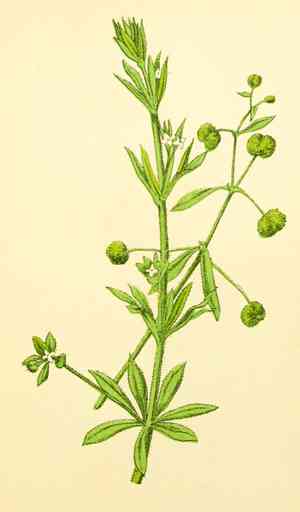
A fragile perennial featuring leaves arranged in whorls, round-leaved bedstraw flourishes with infrequent trimming to preserve its inherent form. Perform light pruning in early spring to eliminate deceased or compromised stalks and stimulate new development. Throughout the summer, judiciously cut back any excessively grown sections to enhance air movement, which can mitigate problems with pests. Refrain from extensive pruning, as this may cause stress to the plant. Advantages of pruning encompass more robust foliage, regulated expansion, and potentially more abundant blooming in certain varieties.
Advantages of Trimming Round-leaved Bedstraw
Advantages of Trimming Round-leaved Bedstraw
Trimming round-leaved bedstraw promotes robust development, fostering the emergence of fresh, healthy shoots. It also preserves the plant's form, preventing excessive growth and ensuring its visual appeal within the landscape.
Optimal Time for Trimming Round-leaved Bedstraw
Optimal Time for Trimming Round-leaved Bedstraw
Late spring to early summer is the recommended period for trimming round-leaved bedstraw, aligning with its natural growth cycle after dormancy. Pruning during this phase allows gardeners to shape the plant and manage its spread before its vigorous summer growth spurt. Additionally, as round-leaved bedstraw actively grows after the last frost, cutting back at this time encourages healthier and more manageable development. This timing also prevents damage to new shoots emerging in spring and avoids stressing the plant during hot summer months. Trimming in late spring to early summer provides round-leaved bedstraw ample time to recover and produce new growth before entering its dormant season. This ensures the plant has sufficient strength to survive winter and avoids interfering with its flowering cycle, maintaining its overall health and aesthetic value.
Tools Required for Trimming Round-leaved Bedstraw
Hand Pruners
Round-leaved bedstraw is a relatively small and delicate plant, so sharp, bypass hand pruners are ideal for making clean cuts on stems without causing unnecessary damage to the plant's structure.
Gardening Scissors
For more precise trimming or thinning of round-leaved bedstraw, especially in hard-to-reach areas or for deadheading, fine-bladed gardening scissors will suffice to ensure careful snipping without harming adjacent stems or foliage.
Pruning Shears
These are suitable for shaping round-leaved bedstraw or controlling its spread. Pruning shears with a comfortable grip can make repetitive cutting tasks easier and reduce hand fatigue while maintaining the desired form of the plant.
How to Trim Round-leaved Bedstraw
Sanitize tools
Before beginning, ensure all trimming tools are thoroughly disinfected to prevent the spread of disease to round-leaved bedstraw.
Remove diseased foliage
Carefully inspect round-leaved bedstraw for signs of disease on its leaves. Use precision pruners to snip off any diseased leaves at the base of the leaf stem, avoiding healthy tissue to prevent damage.
Trim withered leaves
Identify any withered or dead leaves on round-leaved bedstraw. Gently remove these leaves by hand if they detach easily or use pruners to cut them where they meet healthy growth.
Cut diseased stems
Examine round-leaved bedstraw for any stems showing signs of disease. Use clean, sharp pruners to make a diagonal cut just above a healthy leaf node or bud to remove the affected stem.
Discard trimmed parts
Dispose of all pruned material from round-leaved bedstraw away from the garden area to prevent any potential spread of disease. Do not compost diseased plant material.
Common Trimming Errors with Round-leaved Bedstraw
Excessive trimming
Cutting back too much can shock round-leaved bedstraw and hinder its growth. It's crucial not to remove more than one-third of the plant at a time.
Incorrect cutting technique
Using dull or dirty trimming tools can damage the stems of round-leaved bedstraw, leading to poor healing and potential disease entry.
Neglecting tool hygiene
Failing to clean tools between cuts and plants can spread diseases to round-leaved bedstraw, which is vital for preventing infections.
Trimming without a strategy
Randomly cutting without understanding the growth pattern of round-leaved bedstraw can result in a poorly shaped plant that may not flower as desired.
Trimming healthy growth
Removing healthy, vibrant growth can reduce the flowering potential of round-leaved bedstraw, as flowers often form on new or existing healthy growth.
General Trimming Advice for Round-leaved Bedstraw
Target dead or diseased stems
Focus on removing dead, diseased, or damaged stems to maintain round-leaved bedstraw's health and appearance.
Use sharp, clean tools
Always use sharp, clean shears or scissors to make clean cuts that will heal quickly and reduce stress on round-leaved bedstraw.
Trimming for form
Trim round-leaved bedstraw to maintain its natural shape and encourage denser growth, while considering its growth pattern and the presence of flower buds.
Cut at a node
When trimming, make cuts just above a leaf node where new growth can emerge. This promotes a compact, bushy growth habit in round-leaved bedstraw.
Moderate thinning
Thin out some of the older, woody stems to improve air circulation and light penetration, which can enhance the overall health and vigor of round-leaved bedstraw.



