How to Transplant Lamarck's bedstraw?
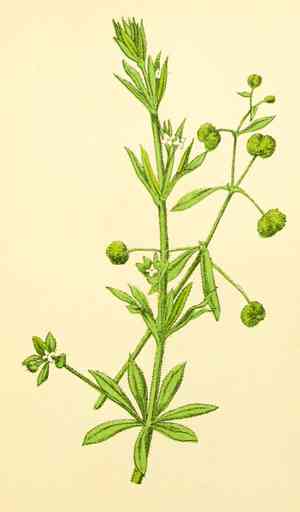
Lamarck's bedstraw flourishes when relocated between the beginning and end of spring, a period when the ground is becoming warmer, facilitating robust root development. Select a site offering full sun to partial shade with soil that drains effectively to provide lamarck's bedstraw with an optimal beginning.
Essential Preparations Before Relocating Lamarck's Bedstraw?
Optimal Timing for Lamarck's Bedstraw Relocation?
The best season for moving lamarck's bedstraw, an annual, spans from early to late spring. This timeframe guarantees ideal soil warmth and moisture, promoting vigorous root development. Shifting lamarck's bedstraw during this period allows the plant to establish firmly before summer, leading to more robust growth and enhanced resilience against seasonal stresses.
Recommended Spacing Between Lamarck's Bedstraw Plants?
Maintain a distance of 6-12 inches (15-30 cm) between each lamarck's bedstraw to provide ample room for growth and prevent overcrowding.
Ideal Soil Blend for Lamarck's Bedstraw Relocation?
Prepare the soil by ensuring it drains well and is rich in organic material. Incorporating a foundational fertilizer such as compost or a balanced slow-release option will support the growth of lamarck's bedstraw.
Preferred Site for Your Lamarck's Bedstraw?
Select a spot for lamarck's bedstraw that receives full sun to partial shade. Abundant sunlight will ensure strong growth and healthy plants.
Necessary Tools for Lamarck's Bedstraw Transplantation?
Gardening Gloves
To safeguard your hands while handling soil and plants.
Shovel or Spade
For carefully digging around and lifting the plant from its original spot.
Hand Trowel
To create holes in the ground.
Watering Can
To hydrate the plant before and after its move.
Wheelbarrow
To transport the plant if moving a greater distance.
Mulch
To aid in retaining soil moisture post-planting.
Pruning Shears
To trim any damaged roots or stems.
Method for Extracting Lamarck's Bedstraw from the Soil?
Method for Extracting Lamarck's Bedstraw from the Soil?
From Ground: First, moisten the lamarck's bedstraw plant to dampen the soil. Then, excavate a wide trench around the plant using a shovel or spade, ensuring the plant's root ball remains intact. Carefully work the spade beneath the root ball to lift the plant from its initial location.From Pot: Hydrate the plant to facilitate soil release. Gently tap the pot's sides to loosen the soil. Tilt the pot sideways and carefully slide the lamarck's bedstraw plant out, supporting the root ball with your hand.From Seedling Tray: Water the seedlings to lessen transplant shock. Gently loosen the soil around each seedling with a hand trowel. Carefully lift each seedling by its leaves, not the stem, to prevent harm.
Detailed Procedure for Transplanting Lamarck's Bedstraw
Site Preparation
Before extracting your lamarck's bedstraw plant, prepare the new planting site by digging a hole twice the size of the plant's root ball.
Plant Removal
Follow the appropriate removal procedure from either the ground, a pot, or a seedling tray.
Root Inspection
Examine the root ball for any damaged or entangled roots. Trim off any compromised roots with pruning shears.
Plant the lamarck's bedstraw
Position the lamarck's bedstraw in the new hole at the same depth it was previously growing. Backfill the hole with soil, gently pressing down to eliminate any air pockets.
Thorough Watering
Water the lamarck's bedstraw thoroughly to help the soil settle around the root ball and to reduce transplant shock.
Mulch Application
Add a layer of mulch around the plant's base to help retain moisture and suppress weeds.
Post-Transplantation Care for Lamarck's Bedstraw?
Watering
Keep the soil around the lamarck's bedstraw consistently moist, but not waterlogged, for the initial few weeks after transplanting to aid in establishing strong roots.
Monitoring
Regularly check the lamarck's bedstraw for any indications of transplant shock, such as wilting or yellowing leaves, and adjust care as necessary.
Weeding
Keep the area surrounding the plant free of weeds to minimize competition for nutrients and water.
Support
If required, provide support such as a small stake to help the plant remain upright as it establishes in its new location.
Resolving Common Issues with Lamarck's Bedstraw Transplantation.
When is the optimal time to transplant lamarck's bedstraw?
Relocate lamarck's bedstraw from early spring to late spring for best outcomes, ensuring vigorous growth.
What spacing should be used when transplanting lamarck's bedstraw?
Space lamarck's bedstraw 6-12 inches (15-30 cm) apart to allow for healthy spread and growth.
How to prepare the soil for transplanting lamarck's bedstraw?
Ensure well-draining soil; incorporate compost to boost nutrients before planting lamarck's bedstraw.
What should I do if lamarck's bedstraw roots are damaged during transplanting?
Trim damaged roots cleanly and handle gently to encourage recovery and reduce transplant shock.
How deep should lamarck's bedstraw be planted?
Plant lamarck's bedstraw at the same depth it was originally growing to avoid stress.
How to water lamarck's bedstraw after transplanting?
Water lamarck's bedstraw thoroughly immediately after transplanting and keep soil consistently moist (not waterlogged).
What to do if lamarck's bedstraw wilts after transplanting?
Provide shade and keep the soil evenly moist; it should recover as it acclimates.
How to protect lamarck's bedstraw from transplant shock?
Transplant on a cool, cloudy day; water well and mulch around the base to retain moisture.
How long after transplanting lamarck's bedstraw should I expect new growth?
New growth should appear within a few weeks as lamarck's bedstraw acclimates to its new environment.
What pests should I watch out for after transplanting lamarck's bedstraw?
Monitor for aphids and snails, common pests that might target lamarck's bedstraw; consider natural deterrents if needed.



