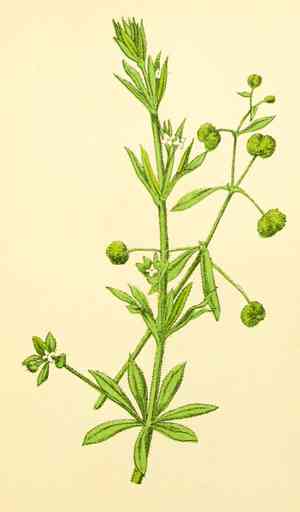
Lamarck's bedstraw (Galium divaricatum)
Also known as: Lesser False-baby's-breath
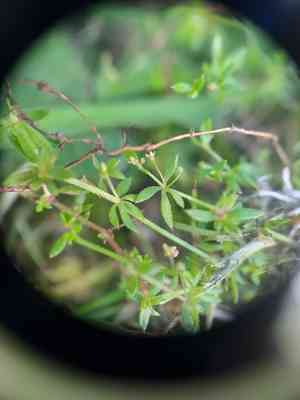
Galium divaricatum, often referred to as Lamarck's bedstraw or branching bedstraw, is an annual herbaceous plant with slender, sprawling stems that can reach up to 60 centimeters in length. The leaves are narrow and lance-shaped, arranged in whorls of 6 to 8 around the stem. It produces tiny, white to greenish flowers with four petals, typically blooming from late spring to early summer. The fruit is a small, dry nutlet that is bristly, aiding in seed dispersal.
In This Article
Attributes of Lamarck's bedstraw
Lifespan
Annual
Plant Type
Herb
Plant Height
10-30 cm
Spread
Varies
Leaf Color
Green
Flower Size
1-3 mm
Flower Color
White or greenish
Images of Lamarck's bedstraw
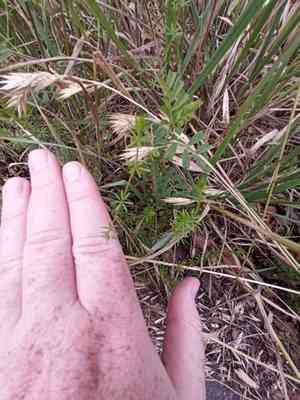
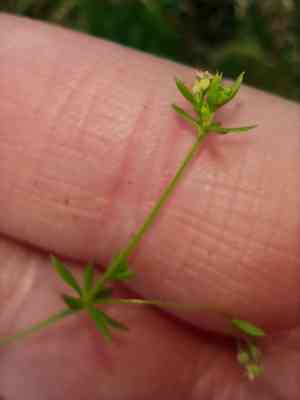
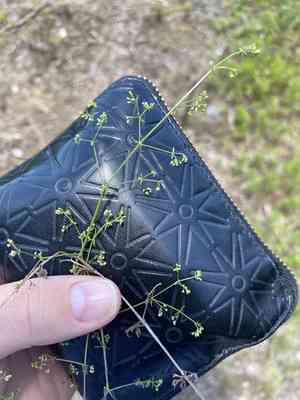
Quickly Identify Lamarck's bedstraw
1
Identify the plant by its characteristic small, white or greenish flowers, and whorls of narrow leaves on its slender stems. It typically forms spreading tufts.
Scientific Classification of Lamarck's bedstraw
Phylum
Vascular plants
Class
Dicotyledons
Order
Gentianales
Family
Madder
Genus
Bedstraws
Species
Lamarck's bedstraw
Planting and Growing of Lamarck's bedstraw
Care Difficulty
Easy
Watering Schedule
Every 8 days
Sunlight Requirements
Partial sun
Sunshine Duration
4-6 hours
Ideal Temperature
60-75℉
Soil Type
Potting Mix, Peat Mix
Soil pH
6.5-7.5
Fertilizer Type
Balanced
Pruning Season
Spring, Summer
Pruning Area
Branches, Leaves
Pruning Frequency
2 times a year
Repotting Season
Spring
Pot Type
Plastic, Ceramic
 How to Water Lamarck's bedstraw?
Galium divaricatum prefers slightly moist but well-drained soil. Watering should aim to moisten the top 2 inches of soil. Use around 200 ml of water, but ensure excess water drains away to prevent root rot.
What are the symptoms of an underwatered Lamarck's bedstraw?
›
What should I do if my Lamarck's bedstraw is not getting enough water?
›
What are the symptoms of an overwatered Lamarck's bedstraw?
›
How to save an overwatered Lamarck's bedstraw?
›
 What Are the Sunlight Requirements for Lamarck's bedstraw?
Partial sun, receiving about 4 to 6 hours of filtered sunlight daily ensures that Galium divaricatum thrives, maintaining its lush foliage and encouraging healthy growth patterns.
What type of light does Galium divaricatum prefer?
›
How can you ensure Galium divaricatum gets its ideal light?
›
What benefits does Galium divaricatum gain from ideal light exposure?
›
 What Is the Ideal Temperature Range for Lamarck's bedstraw?
What is the ideal temperature range for growing Galium divaricatum? The ideal temperature range for Galium divaricatum is between 60°F and 75°F. This range provides optimal conditions for seed germination, leaf development, and overall plant health. These temperatures support the plant's metabolic processes, ensuring steady growth and blooming. Maintaining this range will lead to healthier plants that can thrive throughout their growing cycle.
 What Soil is Best for Lamarck's bedstraw?
Galium divaricatum thrives in well-drained soil, which prevents waterlogging and root rot. This type of soil ensures proper aeration and drainage, promoting healthy root development and overall plant vigor. A nutrient-rich soil benefits Galium divaricatum by providing essential minerals and elements needed for its growth. A balanced mix of organic matter enhances soil fertility, resulting in lush foliage and vibrant blooms. The plant prefers soil that retains moderate moisture without becoming overly saturated. This balance ensures the plant receives adequate hydration but remains protected from excessive dampness, which can cause disease.
 How to Fertilize Lamarck's bedstraw?
For Galium divaricatum, the fertilizer amount should be moderate. Use a well-balanced, diluted liquid fertilizer at half strength, ensuring it provides the necessary nutrients without overwhelming the plant. One tablespoon per gallon of water is often sufficient.
 How to Prune Lamarck's bedstraw?
Be aware of the plant’s natural growth patterns. Galium divaricatum tends to spread, so cutting back overly vigorous shoots can help manage its sprawl. While it's important to control growth, avoid cutting more than one-third of the plant at a time to ensure it remains healthy and can recover quickly.
More About Pruning Techniques→
 How to Propagate Lamarck's bedstraw plant?
1
Collect seeds from mature Galium divaricatum plants at the end of their blooming period. Ensure seeds are fully dried before storage to prevent mold and decay. Store in a cool, dry place until ready for planting.
2
Fill seedling trays with a sterile potting mix, then sow the Galium divaricatum seeds on the surface. Lightly cover with soil and water gently to avoid displacement. Maintain a consistent moisture level for germination.
3
Once seedlings develop two to three true leaves, carefully transplant them into larger pots or directly into the garden. Handle with care to avoid damaging delicate roots, and plant them at the same soil depth they were growing previously.
 How to Repot Lamarck's bedstraw plant?
1
Galium divaricatum signals the need for repotting when its roots start to outgrow the pot, poking through drainage holes, or the growth seems unusually stunted. The best time to repot is during the growing seasons of spring or autumn when the plant can recover quickly and establish its roots in the new space.
2
The ideal pot for Galium divaricatum is one that's slightly larger than the current pot; about one to two inches wider is perfect. Ensure the pot has adequate drainage holes for proper water flow and aeration, which prevents root rot and encourages healthy growth.
3
Opt for a well-draining, neutral pH soil to ensure your Galium divaricatum thrives. This type of soil provides excellent moisture control and aeration, bolstering root health and maximizing nutrient uptake, so the plant continues to grow lush and healthy.



