How to Prune Lamarck's bedstraw?
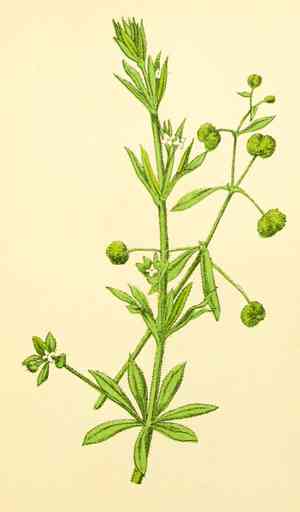
Recognized for its spreading nature and delicate leaves, lamarck's bedstraw thrives with consistent trimming to preserve its form and encourage more compact development. Perform a light trim in spring to revitalize growth, cut back after its summer bloom to neaten the specimen, and execute a final shaping in early autumn. This schedule corresponds with its growth phases and bypasses the winter period when the plant exhibits reduced activity. Trimming improves air circulation and light exposure, which are vital for the well-being and vividness of lamarck's bedstraw.
What Are the Benefits of Pruning Lamarck's Bedstraw?
What Are the Benefits of Pruning Lamarck's Bedstraw?
Trimming lamarck's bedstraw promotes robust development and helps keep its desired form. Consistent cutting eliminates overgrown stalks, fostering a denser and more attractive appearance. This practice is vital for both the plant's well-being and visual appeal.
What Is the Best Time for Pruning Lamarck's Bedstraw?
What Is the Best Time for Pruning Lamarck's Bedstraw?
The ideal periods for pruning lamarck's bedstraw are Spring, Summer, and Fall. These seasons are critical as they coincide with the plant's active growth phases, ensuring faster recovery and healthier regrowth after trimming. Spring pruning aids in removing any winter damage and stimulates new growth, which is essential for the plant's overall vigor and flower production. Summer pruning, especially following the main blooming period, helps in maintaining shape and size, as well as eliminating any weak or diseased branches. This preventative measure assists in improving air circulation within the plant, which lowers the risk of diseases. Fall pruning is generally lighter and aims to prepare the plant for winter by removing any dead, damaged, or diseased parts, thereby reducing the burden on the plant during the dormant winter season. Adhering to these pruning practices during these recommended seasons helps preserve the structural integrity and aesthetic of lamarck's bedstraw, while encouraging optimal health and bloom performance.
What Tools Do I Need to Prune Lamarck's Bedstraw?
Hand Pruners
Perfect for trimming and shaping lamarck's bedstraw as they enable precise cuts without harming the delicate stems. Hand pruners are best utilized for thinning out dense areas and removing dead or overgrown stems.
Gardening Scissors
Appropriate for refining and preserving the form of lamarck's bedstraw. These scissors offer greater control when trimming around the plant's intricate sections, ensuring minimal harm to surrounding foliage.
Fine-toothed Pruning Saw
Essential for cutting through thicker, woody stems that might be too large for hand pruners. This tool helps manage the more mature parts of lamarck's bedstraw safely and effectively.
How to Prune Lamarck's Bedstraw
Identify
Locate the shriveled or deceased leaves on lamarck's bedstraw. Look for leaves that appear brown, dry, and brittle, as these are typically the ones requiring removal.
Prepare
Ready the necessary trimming implements. Ensure you use sharp, clean shears or scissors to make accurate cuts without harming lamarck's bedstraw's healthy sections.
Cut
Sever the withered leaves at their base where they connect to the stem or at the bottom of the leaf stalk. Ensure each cut is clean and close to the stem to avoid leaving stubs that could attract pests.
Dispose
Properly discard the removed leaves. Do not leave them near lamarck's bedstraw as they can harbor pests or diseases that might affect the remaining healthy parts.
Monitor
Following pruning, regularly observe lamarck's bedstraw for new indications of wilting or illness. Early detection and removal of unhealthy sections help maintain the plant's overall health and appearance.
Common Pruning Mistakes with Lamarck's Bedstraw
Overpruning
Removing an excessive amount of growth from lamarck's bedstraw can impede its ability to thrive. This plant benefits from a lighter approach, primarily focusing on eliminating dead or weak stems to encourage stronger development.
Improper cut location
Cuts made too far from the node or bud can result in uneven growth and potential entry points for disease. Ensure cuts are made close to a node to promote healthier, more vigorous regrowth.
Use of dull tools
Employing dull or unclean pruning instruments can damage the stems of lamarck's bedstraw, potentially leading to disease. Always use sharp, clean tools to make precise cuts.
Common Pruning Tips for Lamarck's Bedstraw
Selective pruning
Concentrate on thinning out congested areas to enhance air circulation and light penetration within the plant. This helps prevent diseases and promotes more vigorous growth.
Pruning for shape
Gently shape lamarck's bedstraw to preserve its natural appearance rather than forcing it into an unnatural form. This will enhance its aesthetic appeal and overall health.
Health maintenance
Regularly remove any dead, damaged, or diseased stems to maintain the health and vitality of lamarck's bedstraw. This encourages the formation of new, healthy growth.



