How to Transplant Coastal bedstraw?
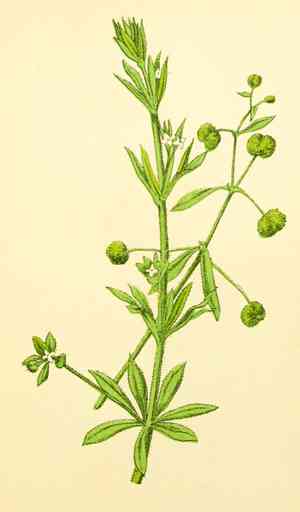
Galium aparine flourishes when relocated between the beginning and end of spring. This timeframe facilitates root development in moderate temperatures. Select a site receiving full sun to partial shade, featuring soil that drains effectively. Provide consistent irrigation initially to ensure smooth adaptation.
What Preparations are Needed Before Transplanting Coastal Bedstraw?
What is the Ideal Time for Transplanting Coastal Bedstraw?
The best time to move coastal bedstraw, a perennial, is from early to late spring. This period allows the plant to establish its root system before summer's heat. Relocating during this season promotes better root growth and overall development, as soil moisture and temperatures are more favorable for the plant's adjustment.
How Much Space Should You Leave Between Coastal Bedstraw Plants?
For coastal bedstraw, aim to position your plants 12-18 inches (30-45 cm) apart. This spacing helps ensure they have ample room to grow and spread without becoming overcrowded, which can lead to less vigorous plants.
What is the Best Soil Mix for Coastal Bedstraw Transplanting?
Prepare well-draining soil for coastal bedstraw with an organic compost base. Incorporating a balanced fertilizer (such as 10-10-10) can supply essential nutrients. This will give your plants a healthy start.
Where Should You Relocate Your Coastal Bedstraw?
Select a spot with full to partial sunlight for coastal bedstraw. They thrive best with at least 4-6 hours of sun daily. This ensures they grow robustly and flower beautifully.
What Equipments Should You Prepare Before Transplantation Coastal Bedstraw?
Gardening Gloves
To safeguard your hands while handling soil and plants.
Shovel or Spade
To excavate around and lift the coastal bedstraw plant from its original spot.
Trowel
To precisely dig the new planting hole.
Bucket or Container
To temporarily hold the plant if needed.
Watering Can or Hose
For hydrating the plant before and after relocation.
Mulch
To help retain moisture around the newly transplanted plant.
How Do You Remove Coastal Bedstraw from the Soil?
How Do You Remove Coastal Bedstraw from the Soil?
From Ground: First, water the coastal bedstraw plant to moisten the soil. Then, dig a wide trench around the plant using a shovel or spade, ensuring the plant's root ball stays intact. Carefully work the spade beneath the root ball to lift the plant from its initial location.From Pot: Water the coastal bedstraw plant thoroughly. Gently tip the pot to its side or upside down, lightly tapping the bottom. If the plant doesnât release, you might need to run a trowel along the pot's inner edge to loosen the roots. Carefully hold the stem's base and slide the plant out, ensuring minimal disturbance to the root ball.From Seedling Tray: Water the coastal bedstraw seedlings well. Gently press the bottom of each cell to push the soil and root ball upwards. Use a small trowel or your fingers to carefully lift the plant, ensuring you support the root system.
Step-by-Step Guide for Transplanting Coastal Bedstraw
Site Preparation
Choose a location that meets the coastal bedstraw plant's sunlight requirements. Clear the area of weeds and debris, and loosen the soil where you intend to place the plant.
Digging the Hole
Using a trowel, dig a hole that is twice as wide and the same depth as the root ball. A wider hole allows the roots to spread out more easily.
Plant Placement
Position the coastal bedstraw plant in the hole, ensuring the top of the root ball is level with the surrounding soil. Adjust the hole's depth if necessary.
Backfilling
Fill the hole halfway with soil, then water to settle the soil and remove air pockets. Continue filling the hole with soil, gently pressing down as you go.
Watering
After placing the coastal bedstraw and backfilling, water the plant thoroughly to help establish strong roots and settle the soil around the plant.
Mulching
Apply a layer of mulch around the plant's base to help retain moisture and suppress weeds. Keep the mulch a few inches away from the stem to prevent rotting.
How Do You Care For Coastal Bedstraw After Transplanting?
Watering
Keep the soil around the coastal bedstraw consistently moist, but not waterlogged, for the first few weeks after transplanting to help establish strong roots.
Monitoring
Check the plant regularly for signs of stress, such as wilting or yellowing leaves, and adjust care as needed.
Pruning
Remove any damaged or dead leaves to encourage healthy growth and reduce stress on the plant.
Mulch Maintenance
Reapply mulch as needed to maintain a consistent layer around the plant, especially after heavy rains or strong winds.
Pest Control
Keep an eye out for pests and treat them promptly using appropriate methods like insecticidal soap or neem oil.
Troubleshooting Common Issues with Coastal Bedstraw Transplantation.
When is the best time to transplant coastal bedstraw?
Transplanting coastal bedstraw is best done from early spring to late spring for optimal growth.
How far apart should coastal bedstraw plants be spaced?
Space coastal bedstraw plants 12-18 inches (30-45 cm) apart to allow sufficient room to grow.
How do I prepare the soil for transplanting coastal bedstraw?
Use well-draining, sandy soil rich in organic matter. Add compost to enrich the soil.
What should I do if coastal bedstraw doesn't adapt well after transplanting?
Ensure proper watering and light. Mulch around the plant to retain moisture and reduce stress.
How do I handle coastal bedstraw roots during transplanting?
Handle roots gently to avoid damage. Keep roots moist during the transplanting process.
How much water does coastal bedstraw need after transplanting?
Water coastal bedstraw regularly but ensure soil is well-drained. Avoid waterlogging to prevent root rot.
What kind of light is best for coastal bedstraw after transplanting?
Coastal bedstraw prefers full sun to partial shade. Ensure 6-8 hours of sunlight daily.
Can I fertilize coastal bedstraw immediately after transplanting?
Wait a few weeks before fertilizing. Use a balanced fertilizer to promote root establishment.
How to protect coastal bedstraw from pests after transplanting?
Inspect regularly for pests. Use natural insecticides or companion plants to deter unwanted insects.
How long will it take for coastal bedstraw to establish after transplanting?
Coastal bedstraw typically takes several weeks to a few months to fully establish in its new location.



