How to Prune Coastal bedstraw?
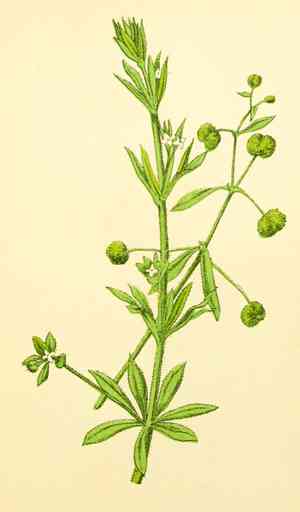
Galium aparine, recognized for its fine leaves and tiny, aromatic blossoms, flourishes with yearly trimming. Essential methods involve excising deceased or compromised stalks, cutting back sprawling sections to preserve form, and fostering robust new development. The most suitable periods for pruning are in late winter or early spring, coinciding with its natural growth rhythm. Consistent trimming enhances air movement and discourages infestations. Employ sanitized, sharp implements and refrain from extensive pruning during bloom times to uphold its visual charm.
What Are the Benefits of Pruning Coastal Bedstraw?
What Are the Benefits of Pruning Coastal Bedstraw?
Trimming coastal bedstraw promotes robust development and helps maintain its form, ensuring the plant stays neat and strong. Regular trimming also boosts the plantâs health and resistance to pests and diseases, enhancing its overall vigor.
What Is the Best Time for Pruning Coastal Bedstraw?
What Is the Best Time for Pruning Coastal Bedstraw?
Trimming coastal bedstraw during late winter and early spring is optimal as it coincides with the plant's inactive phase. Pruning at this time encourages vigorous new growth once the plant exits dormancy in spring. Furthermore, this timing avoids disrupting the plant's blooming and fruiting cycles, ensuring its energy is efficiently used for flowers and fruit. By pruning during these seasons, gardeners can also better shape coastal bedstraw and remove any dead or damaged branches without stressing the plant.
What Tools Do I Need to Prune Coastal Bedstraw?
Hand Pruners
Hand pruners are ideal for making precise cuts on coastal bedstraw, as its slender stems are easily managed with these tools. They help maintain the plant's form and remove damaged or dead stems.
Bypass Pruners
Bypass pruners are perfect for coastal bedstraw because they deliver a clean cut that encourages rapid healing. They are especially useful for the precise cuts needed to preserve the plant's delicate structure.
Snips
Snips are excellent for detailed trimming, particularly for shaping coastal bedstraw and removing small, delicate stems. Their extreme precision prevents damage to the rest of the plant.
Pruning Shears
Pruning shears are suitable for cutting back more substantial growth on coastal bedstraw. They are essential for seasonal pruning when larger sections of the plant need shaping or reduction.
How to Prune Coastal Bedstraw
Disinfect tools
Before starting, sanitize pruning tools with a solution of one part bleach to nine parts water to prevent disease spread.
Inspect
Carefully examine coastal bedstraw for diseased or withered leaves. Look for signs of discoloration, deformity, or death in the foliage.
Remove diseased leaves
Gently remove diseased leaves by cutting them off at the base with clean, sharp scissors or pruning shears. Ensure you cut just above the node where the leaf attaches to the stem.
Remove withered leaves
Withered leaves should be trimmed back to their point of origin. Use the same clean tools to avoid harming healthy foliage.
Dispose remains
Collect and discard the trimmed leaves appropriately to prevent the spread of any diseases. Do not compost diseased leaves, as they can infect other plants.
Common Pruning Mistakes with Coastal Bedstraw
Over-pruning
Excessive trimming can stress coastal bedstraw, leading to weakened growth and reduced flowering.
Improper tools
Using dull or dirty tools can spread disease and cause injury to the plant.
Incorrect cuts
Making cuts too close to the main stem or at awkward angles can damage coastal bedstraw and hinder proper healing.
Common Pruning Tips for Coastal Bedstraw
Moderation
Trim lightly to maintain the plant's shape and remove any dead or diseased branches. Aim to remove no more than one-third of the plant's total growth at a time.
Sanitize tools
Clean pruning tools before and after use to prevent the spread of disease and ensure clean cuts.
Proper technique
Make cuts just above a leaf node or bud to encourage healthy new growth, and use sharp, sterilized tools to make clean cuts.



