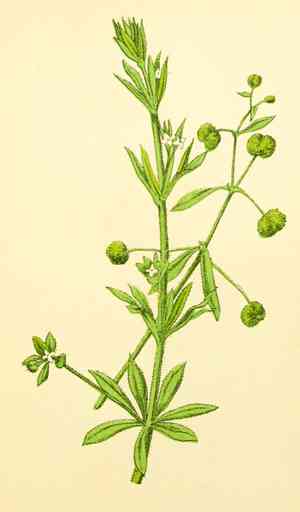
Coastal bedstraw (Galium bermudense)
Also known as: Bermuda Bedstraw
Bermuda sandwort (Arenaria bermudiana) is a resilient perennial native to Bermuda's unique landscapes. Characterized by its sprawling growth and delicate whorled leaves, this plant features tiny, star-shaped white flowers that add a subtle beauty to its surroundings. It thrives in the limestone rocks and shallow soils of the island, perfectly adapted to Bermuda's coastal woodlands and rocky areas.
In This Article
Attributes of Coastal bedstraw
Lifespan
Perennial
Plant Type
Herb
Plant Height
10-30 cm
Spread
N/A
Leaf Color
Green
Flower Size
1-2 mm
Flower Color
White
Images of Coastal bedstraw
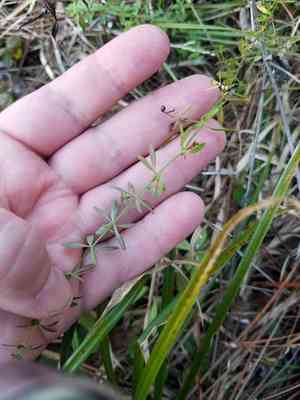
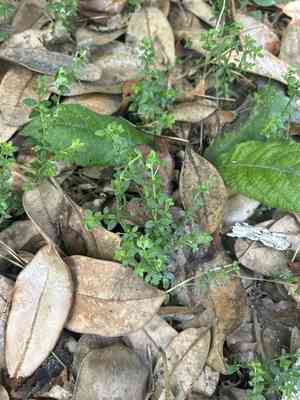
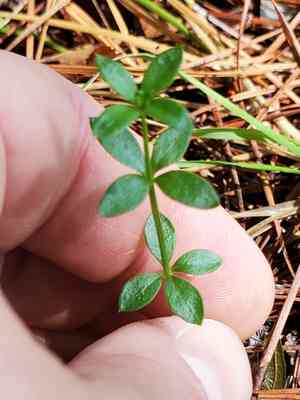
Quickly Identify Coastal bedstraw
1
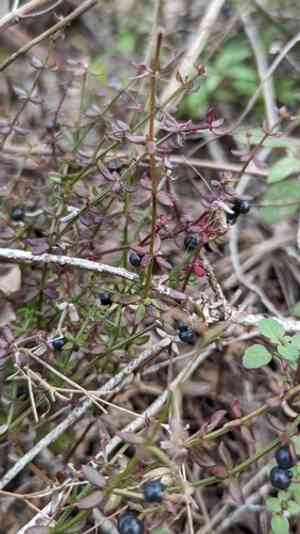
This plant can be identified by its small white flowers arranged in clusters and its narrow, needle-like leaves that grow in whorls of 4-6 around the stem.
Scientific Classification of Coastal bedstraw
Phylum
Vascular plants
Class
Dicotyledons
Order
Gentianales
Family
Madder
Genus
Bedstraws
Species
Coastal bedstraw
Planting and Growing of Coastal bedstraw
Care Difficulty
Easy
Watering Schedule
Every 4 days
Sunlight Requirements
Partial sun
Sunshine Duration
6-10 hours
Ideal Temperature
68-75℉
Soil Type
Potting Mix, Peat Mix
Soil pH
6.5-7.5
Fertilizer Type
Balanced
Pruning Season
Spring, Summer
Pruning Area
Branches, Leaves
Pruning Frequency
2 times a year
Repotting Season
Spring
Pot Type
Plastic, Ceramic
 How to Water Coastal bedstraw?
Galium bermudense prefers moist but well-draining soil. Aim to water until the soil is evenly moist but not waterlogged. Wait until the top inch of soil feels dry before watering again, typically needing about 200 ml each time.
What are the symptoms of an underwatered Coastal bedstraw?
›
What should I do if my Coastal bedstraw is not getting enough water?
›
What are the symptoms of an overwatered Coastal bedstraw?
›
How to save an overwatered Coastal bedstraw?
›
 What Are the Sunlight Requirements for Coastal bedstraw?
Galium bermudense requires partial sun, ideally in a spot with dappled light for 4-6 hours. This setup aids in maintaining healthy green foliage and robust flowering.
How much sun does Galium bermudense need?
›
What is the best light setup for Galium bermudense?
›
Why is proper lighting crucial for Galium bermudense?
›
 What Is the Ideal Temperature Range for Coastal bedstraw?
The ideal temperature range for the growth of Galium bermudense is between 68°F to 75°F. These conditions allow the plant to thrive and optimize its physiological functions. This temperature range ensures optimal enzyme activity and photosynthetic efficiency, supporting robust growth and flowering.
 What Soil is Best for Coastal bedstraw?
Galium bermudense thrives in well-drained soil conditions. This ensures that water does not accumulate at the roots, preventing root rot and promoting healthy growth. A soil rich in organic matter benefits Galium bermudense by providing essential nutrients that aid in robust stem and foliage development. Loamy texture is ideal as it provides good aeration and root penetration. This supports the plant’s nutrient uptake and oxygen exchange efficiently.
 How to Fertilize Coastal bedstraw?
For Galium bermudense, the fertilizer amount should be moderate to prevent over-fertilization. A quarterly application of a slow-release granular fertilizer at a rate of 0.5 pounds per 100 square feet is recommended, while liquid fertilizers can be applied at half the standard recommended dose bi-monthly.
 How to Prune Coastal bedstraw?
Begin by identifying and removing any dead or damaged stems. These parts hinder healthy growth and can attract pests. Cut them close to the main stem to encourage quicker healing. Trim the plant to maintain its shape and encourage bushier growth. Focus on cutting back long straggly stems, cutting just above a leaf node to promote new shoots. Continuously monitor the health of your Galium bermudense after pruning. Ensure that it receives adequate sunlight and water to support recovery and stimulate new growth.
More About Pruning Techniques→
 How to Propagate Coastal bedstraw plant?
1
Collect mature seeds from the plant or cut healthy stems for propagation. Ensure seeds are fully matured and stems are free of disease or damage to increase success rates.
2
Prepare a well-draining soil mix or soilless medium for planting seeds or cuttings. This provides necessary aeration and prevents root rot, crucial during the early stages of growth.
3
Plant seeds or insert cuttings into the prepared medium, ensuring they are securely positioned. Water lightly to settle the medium around the plant tissues without over-saturating.
 How to Repot Coastal bedstraw plant?
1
Galium bermudense shows signs of needing repotting when its roots start circling the pot or peeking out from the drainage holes. Other indicators include reduced growth rate and water running straight through the pot. This usually happens every 1-2 years and is best done in spring or summer when the plant is actively growing.
2
Select a pot that's one size bigger than the current one with good drainage holes. This ensures adequate root space without overwhelming the plant with too much soil. The right pot size encourages healthy growth and prevents waterlogging, which roots highly detest.
3
Use a well-draining potting mix rich in organic matter. This mix supports healthy root development and provides essential nutrients while preventing water from accumulating, which could lead to root rot. A good blend creates a stable environment for your plant to thrive.



