How to Transplant Rough bedstraw?
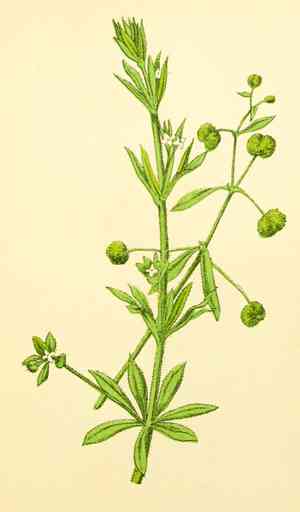
The ideal period for relocating rough bedstraw spans from the revitalizing onset of spring through the initial phase of summer. To ensure proper rooting, select a site featuring damp, adequately draining earth. Minimize abrupt alterations in ambient surroundings to prevent undue strain on rough bedstraw.
What Preparations are Needed Before Transplanting Rough Bedstraw?
What is the Ideal Time for Transplanting Rough Bedstraw?
The optimal period for relocating rough bedstraw is during nature's awakening, typically from early to late spring. Moving rough bedstraw at this time capitalizes on cooler temperatures and increasing daylight, which aid root establishment prior to summer heat. This timing also aligns with the plant's natural growth cycle, ensuring a smooth transition and reducing shock, thus promoting vigorous development. By selecting this interval, you allow rough bedstraw's roots ample time to recover and strengthen, guaranteeing a thriving display in your garden.
How Much Space Should You Leave Between Rough Bedstraw Plants?
When moving rough bedstraw, provide ample room for each specimen. Aim to position them approximately 6-18 inches (15-45 cm) apart. This spacing will enable each plant to grow healthily without competition.
What is the Best Soil Mix for Rough Bedstraw Transplanting?
Rough bedstraw thrives in moist, well-drained soil. Begin by enriching the ground with suitable organic compost or a slow-release fertilizer. This provides a beneficial nutrient boost for your plants.
Where Should You Relocate Your Rough Bedstraw?
For rough bedstraw, choose a site that receives partial to full sun. It enjoys sunlight but can also tolerate some shade. Locate a spot in your garden that meets these requirements.
What Equipments Should You Prepare Before Transplantation Rough Bedstraw?
Gardening Gloves
To safeguard your hands while handling soil and plants.
Shovel or Spade
For excavating the rough bedstraw plant and preparing the new planting hole.
Watering Can or Hose
To irrigate the rough bedstraw both before and after its relocation.
Trowel
To precisely dig around the plant's root ball and assist in placing it in the new spot.
Wheelbarrow or Garden Cart
To move the rough bedstraw plant from its original position to the new site without damage.
Pruning Shears
To trim any damaged or excessively long roots or foliage prior to transplanting.
Measuring Tape
To ensure the new hole has the correct dimensions for the root ball.
How Do You Remove Rough Bedstraw from the Soil?
How Do You Remove Rough Bedstraw from the Soil?
From Ground: First, water the rough bedstraw to ensure the soil is damp, which will facilitate plant removal without root damage. Use a shovel or spade to dig a wide circle around the plant, being careful not to cut any roots. Gently pry beneath the root ball, and lift the plant from the ground.From Pot: Water the rough bedstraw beforehand. Tilt the pot sideways and tap the base to loosen the root ball. Carefully pull the plant out by the stem's base, not the leaves, to prevent harm.From Seedling Tray: Moisten the soil in the tray to help the root ball stay intact. Use a trowel to gently lift the rough bedstraw's root ball from the cell, taking care not to disturb the roots.
Step-by-Step Guide for Transplanting Rough Bedstraw
Preparing the New Site
Excavate a hole in the ground that is twice the root ball's width and equal in depth. Loosen the soil surrounding the hole, allowing roots to spread easily.
Root Ball Care
Examine the rough bedstraw's root ball for any circling or matted roots and gently separate them. If any roots are damaged or broken, trim them with pruning shears.
Plant Positioning
Center the rough bedstraw in the hole. Adjust the planting depth so the top of the root ball is flush with the surrounding soil surface.
Filling the Hole
Backfill the hole around the root ball with the excavated soil. Gently firm the soil to eliminate air pockets without compacting it too tightly around the roots.
Initial Watering
Water the rough bedstraw thoroughly at its base to settle the soil. This helps remove any remaining air pockets and ensures good contact between roots and soil.
How Do You Care For Rough Bedstraw After Transplanting?
Mulching
Apply a layer of organic mulch around the base of the rough bedstraw, avoiding direct contact with the stem. This helps retain moisture and suppress weeds.
Regular Watering
Establish a consistent watering schedule to keep the soil around the rough bedstraw continuously moist, especially during its first season until it's well-established.
Pruning
Trim any dead or damaged stems to encourage healthy new growth and maintain the desired shape of the rough bedstraw.
Troubleshooting Common Issues with Rough Bedstraw Transplantation.
Why is my rough bedstraw not thriving after transplantation?
Ensure the relocation occurred during the optimal period, from early spring's awakening to late spring's gentle warmth. Also, confirm rough bedstraw is ideally spaced 6 to 18 inches (15 to 45 cm) apart to flourish.
How do I prepare the soil for rough bedstraw transplantation?
The soil should be loamy and drain well. Enrich it with organic matter and ensure it's moist but not waterlogged before planting.
How much sunlight does rough bedstraw need after transplanting?
Post-transplant, rough bedstraw thrives in a location with partial to full sunlight. Ensure it isn't overshadowed by larger plants.
How deep should I plant rough bedstraw during transplantation?
Dig a hole deep enough so the root ball sits level with the soil surface. A good guideline is about the same depth it was in its previous container.
What watering schedule is ideal for rough bedstraw after transplanting?
Initially, water rough bedstraw deeply to settle the soil around its roots. Then, maintain moist, well-drained soil, especially during dry periods. Avoid excessive watering.
Can I fertilize rough bedstraw right after transplanting?
You should wait a few weeks before applying a gentle, balanced fertilizer to allow rough bedstraw to establish itself and prevent root burn.
What should I do if rough bedstraw shows signs of wilting post-transplant?
Wilting could indicate stress. Keep the soil consistently moist and shield rough bedstraw from intense sun until it recovers.
How do I handle root shock in rough bedstraw after transplanting?
Minimize root shock by transplanting swiftly and keeping roots moist. After planting, avoid disturbing the soil around the roots and water gently.
Why are the leaves of my rough bedstraw yellowing after transplanting?
Yellow leaves might signal overwatering or poor drainage. Ensure the soil drains well and slightly reduce watering frequency.
How long will it take for rough bedstraw to establish after transplanting?
Rough bedstraw typically requires a few weeks to firmly root and begin new growth. Be patient and provide consistent care during this adjustment period.



