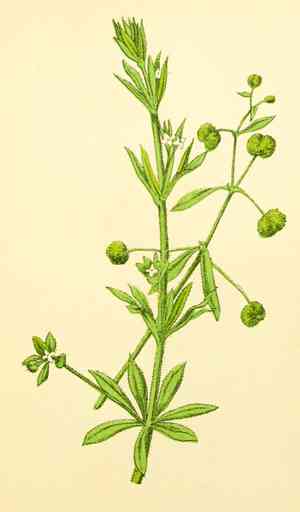
Rough bedstraw (Galium asprellum)
Also known as: Rough Bedstraw
Rough bedstraw (Galium asprellum) is a perennial herb that can reach heights up to 2 meters. It produces small white flowers during the summer months. This plant flourishes in moist soils and prefers partially shaded environments. It is often found in wet fields and disturbed wetlands. The plant spreads through underground rhizomes, forming extensive colonies.
In This Article
Attributes of Rough bedstraw
Lifespan
Perennial
Plant Type
Herb
Plant Height
61 cm to 1.8 m
Spread
N/A
Leaf Color
Green
Flower Size
2-3 mm
Flower Color
White
Images of Rough bedstraw
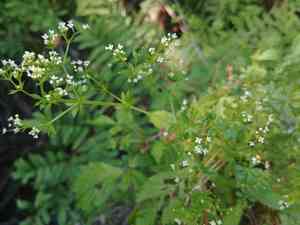
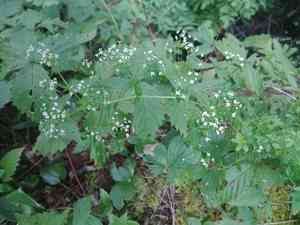
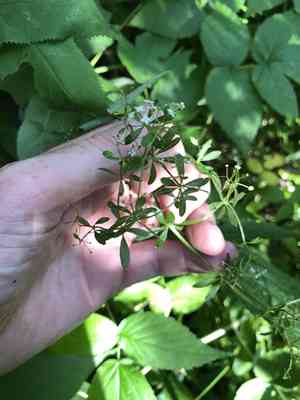
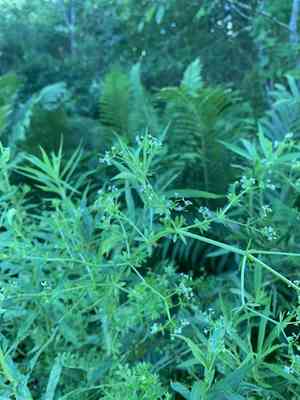
Quickly Identify Rough bedstraw
1
Identify Rough Bedstraw by its square stems and whorls of 6-8 leaves that are rough to the touch. The plant produces small, white, star-shaped flowers.
Scientific Classification of Rough bedstraw
Phylum
Vascular plants
Class
Dicotyledons
Order
Gentianales
Family
Madder
Genus
Bedstraws
Species
Rough bedstraw
Planting and Growing of Rough bedstraw
Care Difficulty
Easy
Watering Schedule
Every 8 days
Sunlight Requirements
Partial sun
Sunshine Duration
4-8 hours
Ideal Temperature
60-75℉
Soil Type
Potting Mix, Peat Mix
Soil pH
5.5-7.5
Fertilizer Type
Balanced
Pruning Season
Spring, Summer
Pruning Area
Branches, Leaves
Pruning Frequency
2 times a year
Repotting Season
Spring
Pot Type
Plastic, Ceramic
 How to Water Rough bedstraw?
For Galium asprellum, watering should ensure that the soil remains consistently moist but not waterlogged. Aim to use about 250 ml of water each time, soaking until you see a slight runoff from the pot's drainage holes. This mimics the plant's natural habitat conditions along streams and moist woodlands.
What are the symptoms of an underwatered Rough bedstraw?
›
What should I do if my Rough bedstraw is not getting enough water?
›
What are the symptoms of an overwatered Rough bedstraw?
›
How to save an overwatered Rough bedstraw?
›
 What Are the Sunlight Requirements for Rough bedstraw?
Galium asprellum thrives in partial to full shade conditions. This plant benefits from such conditions as it reproduces its native woodland environments, promoting vibrant foliage and overall health.
What is the best type of light for Galium asprellum?
›
How do I achieve the ideal light for this plant if my garden has full sun?
›
What benefits does the ideal lighting condition bring to this plant?
›
 What Is the Ideal Temperature Range for Rough bedstraw?
For Galium asprellum, the ideal temperature range for optimal growth is between 60°F and 75°F. This range provides a balance that supports the plant's metabolic activities, such as photosynthesis and nutrient absorption, ensuring healthy growth and vibrant foliage. Avoiding extremes within this range is crucial for plant vitality.
 What Soil is Best for Rough bedstraw?
Galium asprellum thrives in soils that retain moisture, allowing the plant to absorb adequate water for its growth. Moisture-retentive soil helps in preventing the plant from drought stress, promoting lush foliage and vigorous growth. A nutrient-rich soil is essential for the healthy development of Galium asprellum, providing the plant with the necessary minerals and organic matter to support strong root and shoot systems, which result in enhanced flowering and resilience. While retaining some moisture, the soil must also have good drainage to prevent root rot. Well-drained soils allow excess water to escape, preventing waterlogged conditions, which can harm the plant's roots and overall health.
 How to Fertilize Rough bedstraw?
For Galium asprellum, use a diluted liquid fertilizer, mixed in a ratio of 1:2 with water, ensuring it is not overly concentrated. This prevents nutrient burn and supports healthy foliage growth.
 How to Prune Rough bedstraw?
Despite the need for regular pruning, avoid cutting more than a third of the plant at once. Over-pruning can stress the plant and hinder its growth. Before pruning, check for nesting birds or other wildlife that might be using the plant as cover. Delay pruning if you find any to avoid disturbing them. Pruning during wet or especially hot conditions can increase the risk of disease or stress. Choose mild weather for your pruning activities.
More About Pruning Techniques→
 How to Propagate Rough bedstraw plant?
1
Collect seeds from mature Galium asprellum plants in the autumn. Store them in a cool, dry place over the winter. Sow the seeds in early spring using a seed tray filled with a light, well-draining potting mix. Cover lightly with soil and keep the tray in a warm, bright location.
2
Select healthy, non-flowering stems in early summer. Use sharp pruning shears to cut 4-6 inch long segments. Remove the lower leaves and dip the cut end in rooting hormone. Plant the cuttings in a well-draining medium, water gently, and place in a warm environment with indirect light.
3
In early spring, gently dig up a mature Galium asprellum plant. Carefully separate the roots into smaller, individual clumps using your fingers or a clean knife. Replant each division in a prepared bed or pot with fresh soil and water thoroughly.
 How to Repot Rough bedstraw plant?
1
For Galium asprellum, the key signal that it's time to repot includes roots emerging from the drainage holes, which indicates the plant is becoming root-bound. Additionally, if the plant's growth slows down or it seems stressed despite regular care, it's likely ready for a larger pot. Spring and summer are ideal seasons for repotting as the plant is actively growing and can recover more readily from the shock of being moved.
2
Select a pot that is 1-2 inches larger in diameter than the current one to provide room for growth. It's essential to choose a pot with sufficient drainage holes to prevent waterlogging, which can cause root rot. A well-ventilated pot ensures that excess moisture escapes, preserving the health of the plant.
3
Opt for a nutrient-rich, well-draining potting mix. Mixing in some perlite or sand can help improve drainage and aeration, which is crucial for Galium asprellum. This type of soil allows adequate water retention while avoiding over-saturation, ensuring roots have access to both air and moisture.



