How to Prune Rough bedstraw?
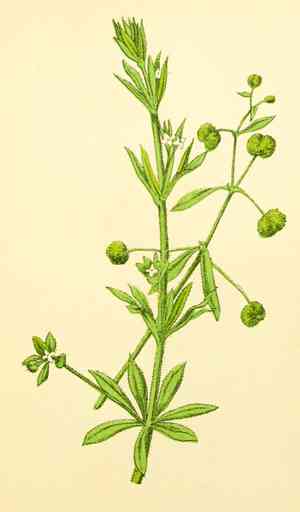
A perennial herbaceous plant recognized for its spreading nature and circular leaf arrangement, rough bedstraw needs only slight trimming to preserve its form and stimulate development. Optimal pruning occurs in spring or early summer; eliminating deceased or frail stalks improves the plant's well-being. Trim after blooming to foster more compact foliage. Refrain from severe cutting, as rough bedstraw recuperates gradually. Advantages of pruning encompass managing its expansion, averting excessive growth, and revitalizing the plant's look.
What Are the Benefits of Pruning Rough Bedstraw?
What Are the Benefits of Pruning Rough Bedstraw?
Trimming rough bedstraw promotes robust development and helps maintain its desired form. Prompt removal of old stalks encourages new, healthy shoots, boosting the plant's vigor and look.
What Is the Best Time for Pruning Rough Bedstraw?
What Is the Best Time for Pruning Rough Bedstraw?
Trimming rough bedstraw in spring, specifically just before new growth starts, allows gardeners to remove any dead or damaged stems from winter, thus encouraging healthy new development. Early summer pruning, following the initial spring growth spurt, helps maintain the plant's shape and size, promotes branching, and can control its spread, as rough bedstraw is known to be invasive in some regions. These periods are ideal because rough bedstraw is actively growing, meaning the plant can quickly recover from pruning and invest energy into developing new, healthy tissue. Additionally, pruning before flowering ensures the plant's energy is directed towards the growth of strong, well-established stems rather than seed production.
What Tools Do I Need to Prune Rough Bedstraw?
Hand Pruners
Given rough bedstraw's relatively delicate stem structure, hand pruners are perfect for making clean cuts without harming the plant. They enable gardeners to precisely remove dead or overgrown stems.
Garden Scissors
Rough bedstraw might require more detailed trimming, for which garden scissors can be used effectively. These will assist in snipping small, soft stems and can be used to shape the plant or thin it out without causing excessive stress.
Gloves
While not a direct pruning tool, gloves are crucial when handling rough bedstraw to shield the gardener's hands from scratches or irritants.
How to Prune Rough Bedstraw
Identifying
Thoroughly inspect rough bedstraw to pinpoint diseased, withered leaves, and affected stems that need trimming. Look for discoloration, unusual spots, or signs of decay.
Disinfecting
Before you begin pruning, sanitize your pruning shears or scissors with alcohol or a bleach solution to prevent the spread of disease during the trimming process.
Pruning leaves
Carefully snip off diseased and withered leaves by cutting them at their base where they connect to the stem. Ensure you remove the entire affected leaf, including any parts of the leaf stem that may show signs of infection.
Pruning stems
Trim away diseased stems by making clean cuts with your shears just above a healthy leaf node. This encourages rough bedstraw to regenerate healthy growth from the cutting point.
Cleanup
After pruning, gather all removed leaves and stems to prevent any potential spread of diseases or pests. Dispose of the plant material away from your garden or compost to avoid recontamination.
Common Pruning Mistakes with Rough Bedstraw
Overpruning
Removing too much growth at once from rough bedstraw can stress the plant, leading to poor development or susceptibility to disease.
Incorrect Tools
Using dull or unsanitized tools can damage the stems of rough bedstraw and introduce pathogens.
Tearing Stems
Pulling or ripping the stems instead of making clean cuts can harm rough bedstraw and hinder proper healing.
Neglecting Plant Shape
Failing to consider the natural growth habit of rough bedstraw when pruning can result in an unattractive appearance and weak structure.
Common Pruning Tips for Rough Bedstraw
Clean Cuts
Use sharp, sterilized pruning shears to make clean cuts on rough bedstraw, which help prevent damage and disease.
Thin Out
Thin out dense areas to improve air circulation and light penetration, contributing to the overall health of rough bedstraw.
Control Spread
Cut back stems that are encroaching on other plants or undesired areas to manage the spread of rough bedstraw.
Remove Weak Stems
Prune away weak or damaged stems to allow rough bedstraw to direct its energy towards healthy growth.



