How to Transplant Phloxleaf bedstraw?
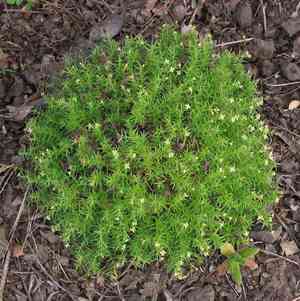
The optimal window for transplanting phloxleaf bedstraw extends from the beginning of fall through its conclusion, favoring this duration due to its moderate temperatures and adequate soil hydration. Position phloxleaf bedstraw in locations receiving full sun to partial shade, utilizing soil that drains effectively, to guarantee successful rooting.
Essential Preparations Before Relocating Phloxleaf Bedstraw
Optimal Period for Phloxleaf Bedstraw Relocation?
Phloxleaf bedstraw, a perennial, flourishes when moved between early and late autumn. This timeframe allows root establishment in cooler soil, lessening summer heat stress and encouraging vigorous spring development. Transplanting during these months ensures superior root growth and enhances the plant's chances of thriving in its new spot.
Required Spacing Between Phloxleaf Bedstraw Specimens?
For phloxleaf bedstraw, position each plant 12-18 inches (30-45 cm) apart to provide ample room for growth and development without resource competition.
Best Soil Mixture for Phloxleaf Bedstraw Relocation?
Prepare well-draining soil, ideally sandy or loamy, for phloxleaf bedstraw. Incorporate a balanced, organic fertilizer, such as compost, to enrich the soil and foster robust root development.
Optimal Location for Your Phloxleaf Bedstraw?
Phloxleaf bedstraw thrives in full sun to partial shade. Select a garden spot that receives at least 6 hours of daily sunlight for peak growth.
Necessary Equipment for Phloxleaf Bedstraw Transplantation
Gardening Gloves
To safeguard your hands while handling soil and the phloxleaf bedstraw plant.
Shovel or Spade
For excavating trenches or holes in the ground.
Trowel
For smaller, more precise digging around the plant's root system.
Watering Can or Hose
For moistening the soil and hydrating the phloxleaf bedstraw plant post-transplant.
Compost or Organic Mulch
For enriching the soil and maintaining moisture levels.
Method for Extracting Phloxleaf Bedstraw from its Current Location
Method for Extracting Phloxleaf Bedstraw from its Current Location?
From Ground: First, hydrate the phloxleaf bedstraw plant to moisten the soil. Next, excavate a wide trench around the plant using a shovel or spade, ensuring the plant's root ball remains intact. Carefully work the spade beneath the root ball to lift the phloxleaf bedstraw plant from its original spot.From Pot: Gently compress the pot's sides to loosen the soil and roots. Tilt the pot slightly and carefully extract the phloxleaf bedstraw plant, supporting the root ball with your hand. Exercise caution to avoid root damage.From Seedling Tray: Water the seedlings prior to removal. Utilize a small trowel or spoon to gently lift each phloxleaf bedstraw seedling, ensuring some soil adheres to the roots. Handle seedlings by their leaves rather than the stem to prevent harm.
Detailed Procedure for Transplanting Phloxleaf Bedstraw
Prepare New Site
Excavate a hole in the new location that is twice the width and equal in depth to the root ball of your phloxleaf bedstraw plant.
Incorporate Compost or Organic Mulch
Mix some compost or organic mulch into the soil at the base of the hole to supply nutrients for the phloxleaf bedstraw plant.
Position Plant in New Hole
Place the phloxleaf bedstraw plant in the hole, ensuring the top of the root ball is level with the surrounding soil. Backfill around the root ball with soil, gently pressing it down to eliminate air pockets.
Thoroughly Water
Deeply water the phloxleaf bedstraw plant immediately after transplanting to help settle the soil and initiate new root establishment.
Mulch Around Plant
Apply a layer of mulch around the base of the phloxleaf bedstraw plant to retain moisture and regulate soil temperature.
Post-Transplant Care for Phloxleaf Bedstraw
Watering
Maintain consistent, but not waterlogged, moisture in the soil around the phloxleaf bedstraw for the initial weeks post-transplant to aid in strong root development.
Monitoring
Observe for any indications of transplant shock, such as wilting or discolored foliage, and implement necessary corrective measures, like adjusting water levels or providing temporary shade.
Routine Care
Regularly remove any weeds that emerge near the phloxleaf bedstraw to minimize competition for water and nutrients.
Addressing Common Issues During Phloxleaf Bedstraw Transplantation
When is the optimal time to transplant phloxleaf bedstraw?
The best period to transplant phloxleaf bedstraw for optimal results is from early to late autumn.
What spacing should I maintain between phloxleaf bedstraw plants?
Space each phloxleaf bedstraw plant 12-18 inches (30-45 cm) apart to facilitate healthy growth.
How should I prepare the soil before transplanting phloxleaf bedstraw?
Ensure the soil is well-draining and enriched with organic matter to support phloxleaf bedstraw's development.
What actions should I take if phloxleaf bedstraw appears stressed after transplanting?
Provide adequate water and some shade to assist its recovery from transplant shock.
What depth should I plant phloxleaf bedstraw during transplanting?
Plant phloxleaf bedstraw at its previous growing depth to prevent root stress.
What watering regimen should I follow after transplanting phloxleaf bedstraw?
Water phloxleaf bedstraw thoroughly after transplanting and keep the soil consistently moist but not saturated.
Can I fertilize phloxleaf bedstraw immediately after transplanting?
Delay fertilizing phloxleaf bedstraw for a few weeks post-transplant to avoid stressing the roots.
How can I safeguard phloxleaf bedstraw from pests post-transplant?
Utilize organic mulch and conduct regular pest inspections to maintain phloxleaf bedstraw's health and keep it pest-free.
What temperature range is ideal for transplanting phloxleaf bedstraw?
Transplant phloxleaf bedstraw when daytime temperatures are between 60-75°F (15-24°C) for optimal growth.
What should I do if phloxleaf bedstraw's leaves turn yellow after transplanting?
Verify soil moisture levels and ensure proper drainage to resolve yellowing leaves on phloxleaf bedstraw.



