How to Propagate Phloxleaf bedstraw?
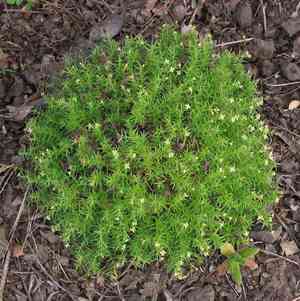
Galium andrewsii, a species within the Rubiaceae family, flourishes across diverse environments, ranging from scrublands to forested areas. To propagate, utilize newly harvested seeds planted in soil that drains efficiently, ensuring continuous dampness. Although alternative techniques might be available, seeding frequently proves most successful. Provide sufficient illumination and shield juvenile plants from harsh elements to encourage peak development, in accordance with established gardening methods.
Optimal Time for Phloxleaf Bedstraw Propagation
Propagation Method
Seeding
Propagation Period
Spring
Tools for Phloxleaf Bedstraw Propagation
Seed Tray
A seed tray is vital for starting phloxleaf bedstraw seeds in a controlled setting. It allows for proper seed placement, ensuring even spacing and sufficient room for root growth.
Seed Starting Mix
A well-draining seed starting mix is essential for germinating phloxleaf bedstraw seeds. It provides the necessary balance of moisture, aeration, and nutrients for healthy seedling development.
Heating Mat
A heating mat helps maintain the soil temperature at an ideal level for phloxleaf bedstraw seed germination. Consistent warmth speeds up the germination process and ensures uniform seedling growth.
Grow Lights
Supplemental grow lights ensure phloxleaf bedstraw seedlings receive sufficient illumination, crucial for strong, healthy growth, especially in low-light conditions or during shorter daylight periods.
Mister or Spray Bottle
A mister or spray bottle ensures gentle and even watering of phloxleaf bedstraw seedlings. It helps maintain necessary humidity levels and prevents soil disruption that could harm young seedlings.
Seed Labels
Clearly labeling each section or tray with seed labels prevents confusion and ensures different plant varieties are correctly identified throughout the propagation process.
Propagation Dome
A propagation dome helps maintain high humidity and consistent temperature, creating an ideal microenvironment for phloxleaf bedstraw seed germination and early seedling development.
Propagating Phloxleaf Bedstraw
Propagation Difficulty
Simple
Caring for Newly Propagated Phloxleaf Bedstraw
Caring for Newly Propagated Phloxleaf Bedstraw
After transplanting, phloxleaf bedstraw should be placed in well-draining soil and a location with partial to full sunlight. Water moderately, ensuring the soil remains slightly moist but never waterlogged. Regularly check for pests and diseases, and remove any dead or diseased parts to encourage healthy growth. Mulch can be applied to retain moisture and suppress weeds. Pruning can be done to maintain the desired shape and promote bushier growth.
Common Propagation Mistakes for Phloxleaf Bedstraw
Overwatering
Leads to root rot, stunted growth, and eventual plant death. Phloxleaf bedstraw prefers well-drained soils.
Improper Soil Selection
Using heavy or clay soils can suffocate the roots and hinder growth. Phloxleaf bedstraw thrives in lighter, well-draining soil types.
Lack of Sunlight
Insufficient sunlight can cause weak, leggy growth. Phloxleaf bedstraw generally requires ample sunlight for healthy development.
Using Diseased Cuttings
Attempting to propagate from infected or unhealthy cuttings can spread diseases, resulting in failed propagation attempts.
Incorrect Cutting Technique
Improper cutting methods can damage the plant and reduce the likelihood of successful rooting.
Tips for Propagating Phloxleaf Bedstraw
Use Well-Drained Soil
Ensure the soil used for propagation drains well to prevent waterlogging and root rot.
Maintain Moderate Watering
Keep the soil moist but not waterlogged. Excessive watering can be harmful.
Ensure Proper Sunlight
Place the plant in an area where it receives adequate sunlight to promote healthy growth.
Healthy Cuttings
Always select vigorous and disease-free cuttings to increase the success rate of propagation.
Clean Cutting Tools
Use clean, sharp tools for cutting to prevent infection and ensure a clean cut.



