How to Transplant Red hemp-nettle?
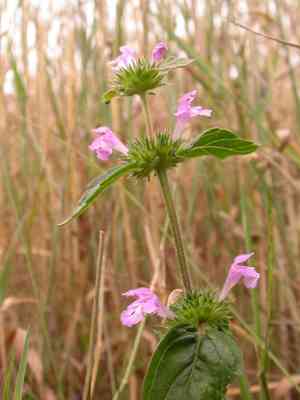
The optimal period for relocating red hemp-nettle spans from early spring through the lengthening days of the season. Select a sunny location featuring soil that drains effectively to foster its development. Handle the root system with care; it prefers minimal disturbance.
What Preparations are Needed Before Transplanting Red Hemp-nettle?
What is the Ideal Time for Transplanting Red Hemp-nettle?
Early spring, once the threat of frost has passed, is the optimal period to relocate red hemp-nettle. This timing allows the plant to fully settle in before the summer heat. Red hemp-nettle will flourish if moved during this window, as mild temperatures and increasing daylight promote strong root development. Utilize this time for a garden filled with vigorous red hemp-nettle, giving them ample opportunity to strengthen before warmer weather arrives.
How Much Space Should You Leave Between Red Hemp-nettle Plants?
Hello, aspiring gardener! Let's provide your red hemp-nettles with ample room to flourish. Aim to space them approximately 8-10 inches (20-25 cm) apart. This spacing ensures each plant has sufficient area to grow robustly and beautifully without competing for essential resources.
What is the Best Soil Mix for Red Hemp-nettle Transplanting?
The perfect medium for your red hemp-nettles should be well-draining and rich in organic matter. Incorporating a general-purpose fertilizer before planting will give your red hemp-nettles an excellent head start. Remember to adhere to the fertilizer's usage and application guidelines.
Where Should You Relocate Your Red Hemp-nettle?
Sun-loving red hemp-nettles will thrive in a location that receives abundant light. Select a spot where they can absorb at least 6 hours of direct sunlight daily. A sunny border or garden bed will provide an ideal home for these vibrant plants.
What Equipments Should You Prepare Before Transplantation Red Hemp-nettle?
Gardening Gloves
To safeguard your hands while handling soil and plants.
Shovel or Spade
For excavating the plant from its original spot and preparing the new planting hole.
Hand Trowel
For managing smaller plants or performing precise digging around root systems.
Watering Can or Hose
To hydrate the plant before and after relocation to minimize transplant shock.
Pruners or Scissors
To trim any damaged roots or foliage as needed.
Wheelbarrow or Garden Cart
To transport the red hemp-nettle plant and soil if necessary.
Garden Rake
To level the soil surface and clear any debris from the transplant site.
How Do You Remove Red Hemp-nettle from the Soil?
How Do You Remove Red Hemp-nettle from the Soil?
From Ground: First, moisten the red hemp-nettle plant's soil. Then, dig a wide perimeter around the plant with a shovel or spade, ensuring the root ball remains intact. Carefully maneuver the spade beneath the root ball to lift the plant from its initial position.From Pot: Begin by watering the red hemp-nettle to facilitate easier removal. Turn the pot on its side, grasp the plant at its base, and gently tap the pot's bottom to encourage the root ball to slide out. If resistance occurs, carefully run a hand trowel along the inner edge to loosen it.From Seedling Tray: Water the seedlings prior to removal to reduce root damage. Use a small tool, such as a dibber or pencil, to push up from the cell's bottom to gently lift the red hemp-nettle seedling out.
Step-by-Step Guide for Transplanting Red Hemp-nettle
Preparation
Prepare the red hemp-nettle for relocation by ensuring it is adequately watered; this will help lessen transplant shock and simplify its removal from its current spot.
Digging the New Hole
Use a shovel or hand trowel to excavate a hole in the ground. The hole should be slightly larger than the root ball to provide ample space for root expansion.
Plant Placement
Gently position the red hemp-nettle's root ball into the hole, ensuring it is level with the surrounding soil surface. Avoid burying the stem deeper than its original depth.
Filling the Hole
Carefully backfill the hole with the removed soil, gently tamping down around the plant to eliminate air pockets without excessively compacting the soil.
Watering
After transplanting, thoroughly water the red hemp-nettle to help settle the soil around the roots and provide essential hydration for the plant's recovery.
Support Installation
If the red hemp-nettle is tall or appears top-heavy, consider adding a stake or support structure to help it remain upright during establishment.
How Do You Care For Red Hemp-nettle After Transplanting?
Monitoring
Regularly inspect the red hemp-nettle for indications of transplant shock, such as wilting or yellowing leaves, and promptly address any issues.
First Watering
Maintain consistent soil moisture without overwatering. The initial week is critical for establishing a watering routine that keeps the soil damp but not saturated.
Mulching
Apply a layer of organic mulch around the base of the red hemp-nettle to help retain moisture, regulate soil temperature, and suppress weed growth.
Staking
If the red hemp-nettle requires additional support, ensure stakes or supports are secure but not tightly bound to allow for natural growth and movement.
Pruning
Remove any damaged or diseased foliage to direct the red hemp-nettle's energy towards establishing its roots and new growth.
Observation
Keep a close watch on the red hemp-nettle, observing its growth and development, and protect it from pests and diseases with appropriate measures.
Troubleshooting Common Issues with Red Hemp-nettle Transplantation.
What's the best time to transplant red hemp-nettle seedlings?
The optimal period for relocating red hemp-nettle is early to mid-spring, after the last frost.
How far apart should I space red hemp-nettle when transplanting?
For ideal development, space red hemp-nettle at intervals of 8-10 inches (20-25 cm).
What to do if red hemp-nettle seedlings wilt after transplanting?
Ensure the soil is adequately moist. Water gently without saturating, and provide shade if conditions are very sunny.
Why are my transplanted red hemp-nettle's leaves turning yellow?
Yellowing foliage may signal overwatering or inadequate drainage. Check soil moisture and adjust irrigation.
Can I transplant red hemp-nettle on a hot day?
It is preferable to transplant red hemp-nettle on a cooler, overcast day to minimize stress and prevent wilting.
How deep should I plant red hemp-nettle when transplanting?
Relocate red hemp-nettle so that its root ball is flush with the soil surface, not deeper.
Should I fertilize red hemp-nettle after transplanting?
Wait 2-4 weeks before applying fertilizer to allow red hemp-nettle to establish its roots in the new location.
How do I know if red hemp-nettle isn't getting enough light after transplanting?
If red hemp-nettle appears leggy or its growth is stunted, it likely requires more sunlight.
What should I do if red hemp-nettle doesn't seem to be growing post-transplant?
Be patient; it might be developing its root system. Confirm it has proper light, water, and soil conditions.
How to protect transplanted red hemp-nettle from pests?
Regularly inspect for pests. Consider a mild, natural pesticide if pest activity is observed.



