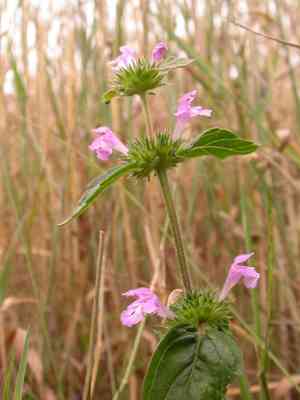
Red hemp-nettle (Galeopsis ladanum)
Also known as: Large pink hemp-nettle
The Breitblättrige Hohlzahn, or Galeopsis ladanum, is an annual herbaceous plant typically growing to heights of 10 to 40 cm, sometimes up to 80 cm. Its upright, branched stems are characterized by a backward-facing, fluffy hairiness and dark-tipped glands. The leaves, which are borne on stalks, measure 6 to 16 mm in width and feature three to seven coarse teeth on each side.
In This Article
Attributes of Red hemp-nettle
Lifespan
Annual
Plant Type
Herb
Plant Height
10 cm to 80 cm
Spread
Typically does not form a crown, but the spread between leaves can be around 15-30 cm
Leaf Color
Green
Flower Size
2-3 cm
Flower Color
Purple Pink
Images of Red hemp-nettle
Quickly Identify Red hemp-nettle
1
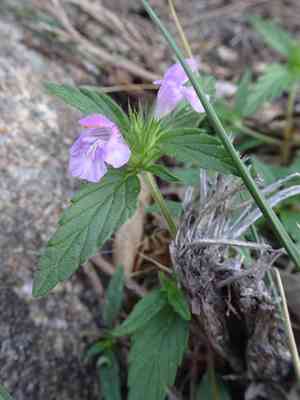
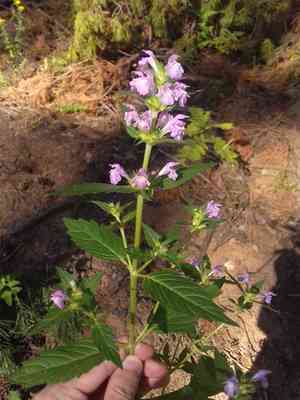
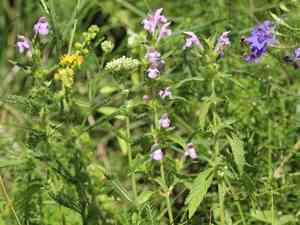
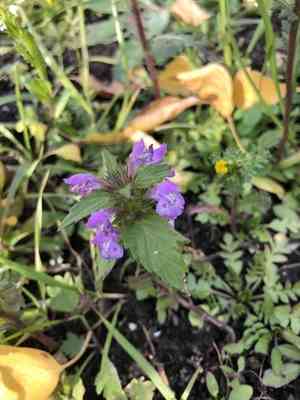
Galeopsis ladanum can be identified by its square stems, opposite leaves with serrated edges, and distinctive pink to purple flowers with a white spot on the lower lip. The plant also has bristly hairs that can be felt when touched.
Scientific Classification of Red hemp-nettle
Phylum
Vascular plants
Class
Dicotyledons
Order
Lamiales
Family
Mint
Genus
Hemp-nettle
Species
Red hemp-nettle
Planting and Growing of Red hemp-nettle
Care Difficulty
Easy
Watering Schedule
Every 4 days
Sunlight Requirements
Partial sun
Sunshine Duration
4-8 hours
Ideal Temperature
60-75℉
Soil Type
Potting Mix, Peat Mix
Soil pH
6.5-7.5
Fertilizer Type
Balanced
Pruning Season
Spring, Summer
Pruning Area
Branches, Leaves
Pruning Frequency
2 times a year
Repotting Season
Spring
Pot Type
Plastic, Terracotta
 How to Water Red hemp-nettle?
Galeopsis ladanum requires a careful balance in watering. Each watering session should supply approximately 250 ml of water. Ensure the soil is moist but not waterlogged, allowing excess water to drain off to prevent root rot.
What are the symptoms of an underwatered Red hemp-nettle?
›
What should I do if my Red hemp-nettle is not getting enough water?
›
What are the symptoms of an overwatered Red hemp-nettle?
›
How to save an overwatered Red hemp-nettle?
›
 What Are the Sunlight Requirements for Red hemp-nettle?
Partial sun promotes optimal growth by giving Galeopsis ladanum the right amount of light for photosynthesis without the risk of burn, ensuring robust development and healthy flowering.
What is the best lighting solution?
›
How to achieve ideal lighting conditions?
›
What are the benefits of ideal lighting?
›
 What Is the Ideal Temperature Range for Red hemp-nettle?
The ideal temperature range for Galeopsis ladanum is between 60°F and 75°F. This range provides optimal conditions for growth and photosynthesis, ensuring the plant remains healthy and vibrant. Such temperatures support enzymatic activities and nutrient uptake efficiently.
 What Soil is Best for Red hemp-nettle?
Galeopsis ladanum thrives in well-drained soils to prevent root rot. Proper drainage ensures the roots have adequate oxygen and prevents waterlogging, promoting healthy growth. This plant prefers soils that are moderately rich in nutrients. Excessive nutrients can lead to overgrowth, while insufficient nutrients may stunt its growth. A balanced nutrient profile supports steady development. It is crucial for the soil to have a pH between 6.5 and 7.5. This range helps in optimal nutrient absorption and prevents nutrient lockout, thus maintaining plant health.
 How to Fertilize Red hemp-nettle?
Galeopsis ladanum, or Hemp Nettle, thrives with a moderate amount of nutrients. For liquid fertilizer, dilute it to half the recommended strength on the packaging. Apply about 200ml per plant for each feeding. Solid, slow-release fertilizers should be used sparingly - using around 30g per plant per application is sufficient. Too much fertilizer can lead to plant stress and possible nutrient burn.
 How to Prune Red hemp-nettle?
Start by sterilizing your pruning shears with alcohol to prevent disease spread. Identify the dead or damaged stems and cut them off at the base. Focus on trimming back any overly long shoots to shape the plant more compactly. Make cuts just above a node to stimulate new growth. Galeopsis ladanum benefits from shaping to maintain its form and encourage denser growth. Trim away any crossing branches and space out crowded areas. This not only improves air circulation but also light penetration, which is essential for healthy development. If your plant looks tired or stressed, give it a gentle trim. Light cutbacks rejuvenate the plant by stimulating fresh growth and can be especially beneficial in early spring when the plant naturally starts its growth cycle anew.
More About Pruning Techniques→
 How to Propagate Red hemp-nettle plant?
1
Collect seeds from mature Galeopsis ladanum plants when they are fully developed. Clean the seeds to remove any debris or pulp to prevent mold growth during germination. Ensure the seeds are dry before sowing.
2
Fill seed trays with a sterile potting mix and lightly press the seeds into the medium. Cover them with a thin layer of soil or vermiculite to protect them and maintain moisture levels. Water gently to avoid displacing the seeds.
3
Place the seed trays in a warm, well-lit area but away from direct sunlight to prevent overheating. Maintain consistent moisture in the soil and ensure good air circulation to foster healthy seedling development.
 How to Repot Red hemp-nettle plant?
1
Galeopsis ladanum should be repotted in spring when new growth begins. Signals for repotting include roots emerging from drainage holes or the plant becoming root-bound. Repotting at the right time supports vigorous growth and healthier foliage.
2
Select a pot that is one size larger than the current one. Ensure it has drainage holes to prevent waterlogging. This allows room for root expansion and improves overall plant health by reducing stress on the roots.
3
Opt for well-draining potting mix with a good balance of nutrients. A loamy soil with added perlite or sand promotes proper drainage and aeration, vital for preventing root rot and ensuring robust plant growth.



