How to Prune Red hemp-nettle?
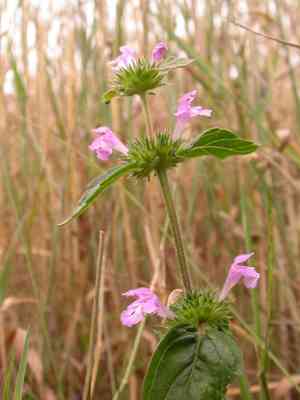
This herbaceous species, known for its vibrant crimson blossoms, thrives with consistent removal of spent flowers to stimulate additional flowering and deter unwanted self-propagation. Trim red hemp-nettle in the Spring to foster robust development, in the Summer to preserve its structure and boost flower production, and in the Autumn to ready the plant for its dormant period. Focus on withered blooms and elongated stalks, but refrain from severe reduction. Trimming helps achieve a dense shape and can assist in managing its expansion within the garden.
Advantages of Trimming Red Hemp-nettle
Advantages of Trimming Red Hemp-nettle
Trimming red hemp-nettle promotes more vigorous growth by enhancing light exposure and air movement. Consistent pruning helps maintain its desired form and size, leading to a more controlled and visually appealing look.
Optimal Pruning Period for Red Hemp-nettle
Optimal Pruning Period for Red Hemp-nettle
Pruning in late spring aligns with red hemp-nettle's growth surge after germination, allowing it to recover and reallocate energy for vital development before its main flowering phase. Early summer pruning is effective for shaping or size management, as it occurs prior to red hemp-nettle's peak vegetative growth, helping prevent overcrowding which can cause fungal issues due to poor air circulation. Fall pruning, once red hemp-nettle has bloomed and seeded, is suitable for removing dead or diseased foliage and stems, thereby decreasing the chance of pests and diseases overwintering in debris, and to sustain plant vitality and aesthetic form.
Required Tools for Pruning Red Hemp-nettle
Hand Pruners
Perfect for precise cuts on red hemp-nettle's stems. Opt for bypass pruners for their ability to make clean, close cuts, crucial for red hemp-nettle's health.
Gardening Gloves
Essential for protecting hands from red hemp-nettle's rough texture and ensuring a safe pruning experience.
Pruning Shears
Excellent for shaping red hemp-nettle and removing any dead or diseased leaves. Their sharp blades ensure quick, clean cuts, helping prevent damage to red hemp-nettle.
Garden Scissors
Useful for snipping delicate stems or deadheading red hemp-nettle. These allow for more intricate work and are easier to maneuver in tight areas within red hemp-nettle's growth.
How to Prune Red Hemp-nettle
Assess
Examine red hemp-nettle to identify all withered leaves, which may appear yellowed, brown, or visibly damaged. Use this assessment to determine which parts need pruning.
Sterilize
Sterilize pruning shears with alcohol to prevent disease transmission. Clean tools are vital for red hemp-nettle's health during pruning.
Cut
Trim the withered leaves at their base where they connect to the stem. Make a clean cut to avoid tearing, which can harm red hemp-nettle.
Remove
Discard the pruned material away from red hemp-nettle to minimize the risk of disease and pests, which can reside in dead plant matter.
Observe
After pruning, continue to observe red hemp-nettle for additional withered leaves and repeat the process as needed to maintain the plant's health and appearance.
Common Pruning Errors with Red Hemp-nettle
Excessive Pruning
Cutting back red hemp-nettle too severely can weaken it, reducing its flowering capacity and overall vigor.
Using dull implements
Pruning red hemp-nettle with blunt or dirty tools can harm plant tissues, making it more vulnerable to diseases.
Pruning without a clear goal
Random or unnecessary cuts on red hemp-nettle without understanding its growth habit or the reason for pruning can result in poor plant shape and fewer blooms.
Ignoring dead plant material
Failing to remove dead or diseased stems from red hemp-nettle can impede growth and spread illness throughout the plant.
Neglecting tool hygiene
Not sanitizing tools between uses on different plants, or even different parts of red hemp-nettle, can spread pests and diseases.
General Pruning Advice for Red Hemp-nettle
Targeted pruning
Focus on removing only dead, diseased, or overly dense stems to enhance air circulation and light penetration for red hemp-nettle, fostering a more robust plant.
Sharp implements
Always use sharp and clean tools when pruning red hemp-nettle to ensure clean cuts that heal quickly, minimizing stress on the plant.
Cutting angle
Cut at a 45-degree angle just above a leaf set or node to encourage healthy regrowth on red hemp-nettle and prevent water accumulation on the cut surface.
Post-bloom trimming
After red hemp-nettle has finished flowering, remove spent blooms to redirect energy away from seed production and stimulate a potential second flowering.
Maintaining plant form
Regularly inspect and shape red hemp-nettle to preserve its natural appearance and prevent it from becoming overgrown or leggy.



