How to Transplant Purdy's fritillary?
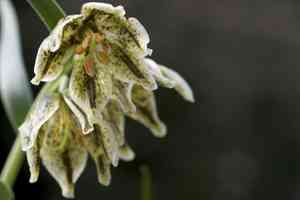
Purdy's fritillary flourishes when relocated in mid-autumn. Select a sunny spot with good drainage for optimal growth. Make sure the area offers partial afternoon shade to aid their adjustment and prevent dehydration.
What Preparations are Needed Before Transplanting Purdy's Fritillary?
What is the Ideal Time for Transplanting Purdy's Fritillary?
The best time to move purdy's fritillary, a perennial, is from mid to late autumn. This timing allows the plant to establish its root system before winter's cold, ensuring strong spring growth. Transplanting in fall benefits from cooler temperatures and increased soil moisture, reducing shock and maximizing plant health.
How Much Space Should You Leave Between Purdy's Fritillary Plants?
Position each purdy's fritillary plant approximately 6 inches (15 cm) apart. This provides ample room for growth and ensures proper air circulation, which is crucial for their well-being.
What is the Best Soil Mix for Purdy's Fritillary Transplanting?
Select well-drained soil with a sandy or loamy consistency. Enhance the soil with a balanced base fertilizer, such as a 10-10-10 blend, to supply essential nutrients for purdy's fritillary's development.
Where Should You Relocate Your Purdy's Fritillary?
Choose a location that receives partial to full sunlight, about 4-6 hours daily. This light exposure ensures that purdy's fritillary flourishes and blooms effectively in its new setting.
What Equipments Should You Prepare Before Transplantation Purdy's Fritillary?
Gardening Gloves
To safeguard your hands while handling soil and plants.
Shovel or Spade
For excavating the plant and its root ball from its original spot.
Trowel
To create precise holes and trenches for planting purdy's fritillary in its new location.
Watering Can or Hose
To provide adequate water during and after the transplanting process.
Pruning Shears
To trim any dead or damaged roots or foliage.
Wheelbarrow or Bucket
To transport the plant to its new site if necessary.
Mulch
To help retain moisture and protect the plant.
How Do You Remove Purdy's Fritillary from the Soil?
How Do You Remove Purdy's Fritillary from the Soil?
From Ground: First, hydrate the purdy's fritillary plant to moisten the soil. Next, dig a wide trench around the plant using a shovel or spade, ensuring the plant's root ball remains intact. Carefully work the spade beneath the root ball to lift the plant from its initial position.From Pot: Water the purdy's fritillary plant a day prior to transplanting to facilitate removal. Gently tap the pot's sides to loosen the soil. Invert the pot and tap the bottom while holding the plant at its base to ease it out. If the plant resists, use a trowel to loosen the edges.From Seedling Tray: Water the seedlings thoroughly. Use a trowel or your fingers to gently lift each seedling by its leaves, not the stems, ensuring the root ball stays intact. Handle the seedlings with care.
Step-by-Step Guide for Transplanting Purdy's Fritillary
Prepare New Location
Dig a hole in the chosen area that is twice as wide and slightly deeper than the purdy's fritillary plant's root ball.
Amend the Soil
Incorporate compost or organic material into the soil of the new hole to supply additional nutrients.
Plant Placement
Position the purdy's fritillary plant in the hole, ensuring it is at the same depth as it was in its previous location. The top of the root ball should be level with or slightly above the surrounding soil.
Backfill the Hole
Fill the hole with soil, gently pressing down to eliminate air pockets. Be careful not to over-compact the soil.
Water Thoroughly
Water the plant generously after planting to help settle the soil around the roots.
Add Mulch
Apply a layer of mulch around the plant's base to retain moisture and suppress weeds.
How Do You Care For Purdy's Fritillary After Transplanting?
Watering
Keep the soil around the purdy's fritillary consistently moist, but not waterlogged, for the initial weeks post-transplant to aid in root establishment.
Monitoring
Regularly inspect the plant for signs of stress like yellowing leaves or wilting, and adjust watering or shade as needed.
Mulching
Ensure the mulch layer remains in place to maintain soil moisture and shield the plant's roots from temperature fluctuations.
Pruning
Remove any dead or damaged foliage to encourage healthy growth.
Fertilizing
After a few weeks, consider applying a balanced, slow-release fertilizer to provide continuous nutrients for the purdy's fritillary plant.
Troubleshooting Common Issues with Purdy's Fritillary Transplantation.
When is the best time to transplant purdy's fritillary?
The optimal time to transplant purdy's fritillary is mid to late fall for superior outcomes.
How much space should be left between purdy's fritillary plants?
Ensure you leave approximately 6 inches (15 cm) of space between each purdy's fritillary plant to allow for growth.
How should I prepare the soil for purdy's fritillary?
Prepare well-draining soil with organic matter to ensure purdy's fritillary thrives in its new spot.
What steps to follow when transplanting purdy's fritillary?
Gently dig around the plant, ensuring roots stay intact, then replant in a prepared hole.
Should purdy's fritillary be watered immediately after transplanting?
Yes, water purdy's fritillary thoroughly right after transplanting to help settle the soil around the roots.
How deep should purdy's fritillary be planted in the new spot?
Plant purdy's fritillary at the same depth it was growing previously to minimize stress.
What if purdy's fritillary appears wilted after transplanting?
Wilting can occur due to transplant shock. Keep the soil moist but not waterlogged for recovery.
How much sun does purdy's fritillary need post-transplant?
Purdy's fritillary prefers partial shade, so choose a spot with dappled sunlight for optimal growth.
Is mulching beneficial for transplanted purdy's fritillary?
Applying a light mulch can help retain moisture and keep the roots of purdy's fritillary cool.
When can I expect purdy's fritillary to settle after transplanting?
It typically takes a few weeks for purdy's fritillary to acclimate and show signs of new growth.



