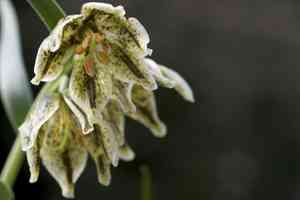
Purdy's fritillary (Fritillaria purdyi)
Also known as: Purdy's fritillary
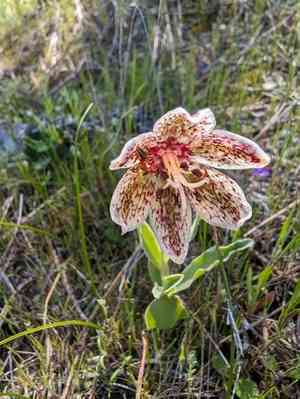
Purdy's fritillary (Fritillaria purdyi) is a perennial herb recognized for its distinctive bell-shaped flowers, which exhibit a mottled pattern in shades of greenish-yellow and purple-brown. This wildflower is indigenous to Northern California and flourishes in habitats like grassy slopes, open woodlands, and chaparral, particularly in serpentine soils. It typically blooms in the spring, featuring a slender stem with a few narrow, lance-shaped leaves and one to a few nodding blossoms at the top. The plant prefers well-drained soils and ample sunlight, making it well-adapted to attract pollinators in its native environment.
In This Article
Attributes of Purdy's fritillary
Lifespan
Perennial
Plant Type
Herb
Plant Height
15-25 cm
Spread
N/A
Leaf Color
Green
Flower Size
3-4 cm
Flower Color
White, Purple
Images of Purdy's fritillary
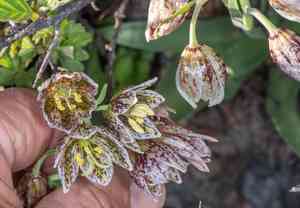
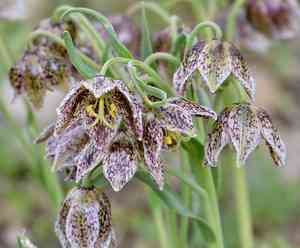
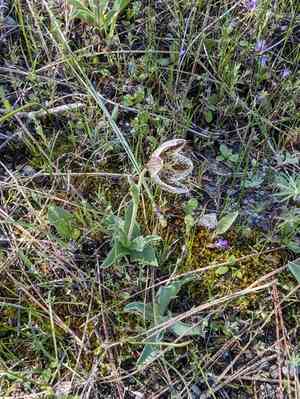
Quickly Identify Purdy's fritillary
1
Fritillaria purdyi can be identified by its checkered, bell-shaped flowers that are usually white with purple markings. The plant has a single, unbranched stem with narrow, lance-shaped leaves arranged alternately along the stem.
Scientific Classification of Purdy's fritillary
Phylum
Vascular plants
Class
Monocotyledons
Order
Liliales
Family
Lily
Genus
Fritillaries
Species
Purdy's fritillary
Planting and Growing of Purdy's fritillary
Care Difficulty
Hard
Watering Schedule
Every 2 days
Sunlight Requirements
Partial sun
Sunshine Duration
4-8 hours
Ideal Temperature
60-68℉
Soil Type
Potting Mix, Peat Mix
Soil pH
6.5-7.5
Fertilizer Type
Balanced
Pruning Season
Spring, Summer
Pruning Area
Branches, Leaves
Pruning Frequency
2 times a year
Repotting Season
Spring
Pot Type
Plastic, Terracotta
 How to Water Purdy's fritillary?
When watering Fritillaria purdyi, aim to provide about 200ml of water per session. The key is ensuring the soil is moist but not waterlogged. The topsoil should begin to feel dry before you water again, as this plant does not tolerate standing water very well.
What are the symptoms of an underwatered Purdy's fritillary?
›
What should I do if my Purdy's fritillary is not getting enough water?
›
What are the symptoms of an overwatered Purdy's fritillary?
›
How to save an overwatered Purdy's fritillary?
›
 What Are the Sunlight Requirements for Purdy's fritillary?
Fritillaria purdyi thrives in a partial sun environment, benefiting from filtered sunlight that provides enough energy for growth without the risk of overheating, promoting lush foliage and vibrant blooms.
What are the ideal lighting conditions for Fritillaria purdyi?
›
How can I achieve ideal lighting for Fritillaria purdyi?
›
What benefits does ideal lighting provide for Fritillaria purdyi?
›
 What Is the Ideal Temperature Range for Purdy's fritillary?
The ideal temperature range for cultivating Fritillaria purdyi is between 60 to 68°F. This range mimics the natural conditions where these plants thrive, ensuring optimal growth and health. Consistent temperatures within this range promote proper physiological functions and nutrient uptake.
 What Soil is Best for Purdy's fritillary?
Fritillaria purdyi thrives in well-drained soil, which prevents waterlogging and root rot. This condition ensures the roots can access the necessary oxygen, supporting healthy growth and blooms. The plant prefers soil with moderate nutrient levels, as excessively rich soil might promote foliage growth at the expense of flowers. Balanced fertility ensures robust blooms and healthy foliage. A pH range from 6.5 to 7.5 is ideal for Fritillaria purdyi, allowing efficient nutrient uptake while preventing nutrient lockout. This balance ensures the plant can access essential nutrients.
 How to Fertilize Purdy's fritillary?
For Fritillaria purdyi, use a balanced liquid fertilizer diluted to half the recommended strength. Apply approximately 50ml per plant, making sure to saturate the soil evenly. For slow-release granules, scatter about 20 grams around the base of the plant annually to ensure even nutrient distribution.
 How to Prune Purdy's fritillary?
Start by inspecting the plant in early spring before new growth appears. Use clean, sharp scissors or pruning shears to cut back dead flower stems just above the base. Focus on removing any damaged leaves without harming healthy ones. Ensure to maintain the natural shape of the plant to encourage balanced growth.
More About Pruning Techniques→
 How to Propagate Purdy's fritillary plant?
1
Seeds should be collected once the seed pods have ripened. This usually occurs in late spring. Harvest by gently shaking the pod into a container to collect loose seeds.
2
Fill a seed tray with sterile potting mix, making sure it's evenly distributed. Lightly moisten the soil with water, ensuring it’s damp but not waterlogged.
3
Distribute seeds evenly over the surface of the soil and cover with a light layer of potting mix. This helps retain moisture and provides cover while allowing light exposure necessary for germination.
 How to Repot Purdy's fritillary plant?
1
You should consider repotting Fritillaria purdyi when you notice the roots starting to outgrow the current pot. Look for signs like roots poking out of the drainage holes, slower growth, or a shortage of new blooms. These are clear indicators that it's time for a fresh start.
2
Select a pot that is just slightly larger than the current one, as Fritillaria purdyi prefers snug spaces for root growth. Ensure it has adequate drainage holes to prevent waterlogging. This prevents root rot and encourages healthy plant development.
3
Aim for a well-draining, gritty soil mix, as Fritillaria purdyi thrives in soil that mimics its natural rocky habitat. This type of soil not only provides the necessary nutrients but also ensures that excess moisture is quickly whisked away, protecting the roots from rot.
Toxicity
ingestion
WARNING
The judgment on toxicity and danger is for reference only. We DO NOT GUARANTEE any accuracy of such judgment. Therefore, you SHALL NOT rely on such judgment. It is IMPORTANT TO SEEK PROFESSIONAL ADVICE in advance when necessary.
Learn More About Purdy's fritillary Diseases
Bacterial Leaf Spot
Bacterial Soft Rot
Bacterial Wilt
Chemical Injury
Crown Gall
Cyst Nematode
Damping-off
Downy Mildew
Drought Stress
Fusarium Wilt
Gray Mold
Leaf Curl
Leaf Spot
Mosaic
Nutrient Deficiency
Nutrient Toxicity
Powdery Mildew
Root Rot
Root-knot Nematode
Rusts
Sooty Mold
Spider Mites
Temperature Stress
Thrips Damage
White Mold



