How to Transplant White eye?
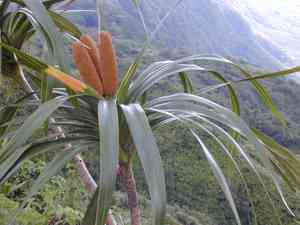
The interval spanning winter's end to the vibrant bloom of spring is ideal for relocating white eye. Select a location offering filtered light and soil that drains effectively. Preserve the root mass whole to facilitate the move and guarantee rapid settling.
What Preparations are Needed Before Transplanting White Eye?
What is the Ideal Time for Transplanting White Eye?
The optimal period for relocating white eye spans from the invigorating start of early spring to the abundant days of late spring. This timing leverages spring's mild temperatures and increasing daylight, crucial for white eye's root establishment prior to summer's intense heat. By doing so, you ensure vigorous growth and a lush display for white eye, aligning with natural cycles, and guaranteeing a successful move.
How Much Space Should You Leave Between White Eye Plants?
When planning to move your white eye, aim to position them approximately 3 feet (0.91 meters) apart. This ensures each white eye has ample room to develop and thrive without overcrowding, facilitating proper air circulation and nutrient access.
What is the Best Soil Mix for White Eye Transplanting?
For white eye, choose fertile, well-draining soil and enrich it with a balanced, slow-release fertilizer. Establishing the correct soil foundation is vital to support your white eye's development and health.
Where Should You Relocate Your White Eye?
Select a spot for your white eye where it can receive partial shade, as excessive direct sunlight can be detrimental. An area that gets filtered sunlight throughout the day is perfect for white eye to flourish.
What Equipments Should You Prepare Before Transplantation White Eye?
Gardening Gloves
To safeguard your hands while handling soil and plants.
Spade or Shovel
To excavate the plant and to dig the new hole for its relocation.
Pruning Shears
To trim any damaged roots or foliage prior to transplanting.
Wheelbarrow or Plant Dolly
To safely move the white eye to its new position.
Watering Can or Hose with Spray Nozzle
To thoroughly water the white eye at both its original and new sites.
How Do You Remove White Eye from the Soil?
How Do You Remove White Eye from the Soil?
From Ground: Hydrate the white eye to moisten the soil, simplifying excavation. Use a spade to dig a wide circle around the plant, ensuring the root ball remains intact. Slide the spade beneath the root ball and gently lift the white eye from the ground.From Pot: Tilt the container sideways and tap the base to loosen the white eye. Carefully pull the plant by its base and ease it out of the pot, taking care not to harm the plant or its roots.From Seedling Tray: Water the tray to make the soil damp. Use a spoon or a dibber to carefully remove the seedlings from the tray, keeping as much soil around the roots as possible.
Step-by-Step Guide for Transplanting White Eye
Preparation
Check the weather forecast to avoid transplanting during adverse conditions. Gather all tools and confirm the new planting site is ready.
Root Pruning
Use pruning shears to snip away any dead, broken, or diseased roots from the white eye's root ball.
Excavation
Carefully dig out the white eye from its current spot as described in the removal process, ensuring minimal root disturbance.
Transport
Place the white eye in a wheelbarrow or on a plant dolly and move it to the new planting site.
Planting Hole
Dig a hole in the ground twice the width of the root ball and equally deep. Position the white eye so the top of the root ball is level with the soil surface.
Positioning
Lower the white eye into the hole, ensuring it is upright and centered. Fill the hole with soil, gently tamping down to eliminate any air pockets.
Watering
Water the white eye generously after planting to settle the soil and provide moisture to the roots.
How Do You Care For White Eye After Transplanting?
Stabilization
Use stakes or supports if the white eye appears unstable in its new location until its roots become established.
Monitoring
Inspect the white eye daily for any indications of transplant shock, such as wilting or discolored leaves. Address issues promptly by adjusting care.
Mulching
Apply a layer of organic mulch around the base of the white eye to help retain moisture and regulate soil temperature.
Regular Watering
Until established, maintain consistent soil moisture. However, avoid over-watering, which can lead to root rot.
Troubleshooting Common Issues with White Eye Transplantation.
What's the best time to transplant white eye?
The optimal period for relocating white eye is during the mild weeks of early to late spring.
How far apart should I space white eye when transplanting?
Space white eye approximately 3 feet (about 90 cm) apart to ensure each plant has ample room to thrive.
Why are the leaves of my transplanted white eye yellowing?
Yellowing can indicate stress, possibly from insufficient watering or nutrient deficiency. Ensure proper irrigation and rich soil.
What soil conditions favour the successful transplant of white eye?
A well-draining, fertile soil with a rich blend of organic matter is ideal for white eye's successful transplant.
How much water does white eye need after transplanting?
Water generously immediately after transplant, then maintain moist soil, especially during the initial growing season.
Should I prune white eye when transplanting?
Minimal pruning to remove damaged or dead parts is beneficial; otherwise, allow white eye to establish itself first.
My transplanted white eye looks wilted. What should I do?
Wilting can occur due to transplant shock. Keep the soil moist and provide shade until it recovers.
What kind of sunlight is ideal for white eye after transplanting?
Position white eye in a spot where it can receive partial shade to protect it from intense sunlight post-transplant.
How can I tell if white eye has transplant shock?
Signs include wilting, yellowing leaves, and slow growth. Provide consistent care and time to adjust.
When can I fertilize white eye after transplanting?
Wait several weeks before feeding to avoid overwhelming white eye. Then, use a balanced, slow-release fertilizer.



