How to Prune White eye?
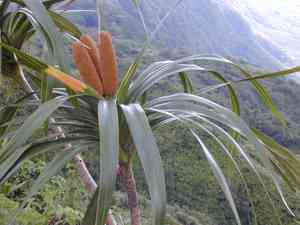
Originating from tropical woodlands, white eye, recognized for its vining nature and aerial root systems, needs only light trimming to eliminate deceased or injured fronds and stimulate development. The most suitable period for pruning is from late winter to early spring, right before the commencement of new growth. Trimming aids in preserving the preferred form and dimensions, boosting air movement, and elevating the plant's general well-being. It is crucial to avoid excessive pruning, as this could cause distress to the plant.
Advantages of Trimming White Eye?
Advantages of Trimming White Eye?
Trimming white eye promotes vigorous development and maintains its desired form. Strategic removal of specific parts enhances structure, directing energy to healthier areas, fostering vitality and an attractive shape.
Optimal Time for Trimming White Eye?
Optimal Time for Trimming White Eye?
Trimming white eye from late winter to early spring is ideal as it precedes the new growth cycle, minimizing plant stress. This timing allows for the removal of winter-damaged or dead growth, enhancing overall plant health and vigor. Pruning just before the spring growth spurt ensures quicker wound healing, reducing disease and pest risks. Furthermore, for white eye that produces flowers or fruits, late winter to early spring pruning directs energy towards robust new growth and reproductive elements once the growing season begins. Trimming during this period establishes a strong framework for the year, encouraging growth where it's most desired.
Necessary Tools for Trimming White Eye?
Hand Pruners
These are suitable for cutting small to medium-sized stems of white eye. Bypass pruners are recommended for their clean cuts, which are crucial for the plant's rapid recovery.
Lopping Shears
If white eye has thicker branches that hand pruners cannot manage, lopping shears offer the necessary leverage for clean cuts without harming the stems.
Pruning Saw
For mature white eye with very thick branches, a pruning saw is perfect. It allows for efficient cutting of larger limbs without tearing the bark or causing undue stress to the plant.
Gloves
Hand protection for the gardener is essential given white eye's physical traits, which may include sharp edges or foliage that can cause irritation or injury.
Safety Glasses
When trimming white eye, especially when working overhead, safety glasses shield the eyes from falling debris or sap.
How to Trim White Eye
Clean tools
Before beginning the trimming process, ensure all pruning tools are clean and sterilized to prevent disease transmission to white eye.
Inspect
Carefully examine white eye for diseased or withered leaves. Look for any discoloration, spots, or signs of decay indicating poor health.
Sanitize
Whenever a diseased leaf is identified, sanitize the pruning shears before making another cut to avoid contaminating healthy parts of white eye.
Cut diseased leaves
Using the pruning shears, cut diseased leaves at their base where they meet the stem. Be precise to avoid damaging nearby healthy foliage on white eye.
Remove withered leaves
Trim away withered leaves by cutting them at their connection point to the healthy part of the plant. This encourages new growth in white eye.
Common Trimming Errors with White Eye
Excessive trimming
Removing over a third of white eye's foliage at once can stress the plant, leading to reduced vigor or even plant demise.
Incorrect cutting angle
Cutting branches at improper angles may hinder the formation of a protective callus and wound healing, making white eye more vulnerable to diseases.
Trimming healthy growth
Mistakenly trimming new, healthy growth instead of only old or damaged fronds can impede white eye's development and longevity.
Using dull tools
Employing dull tools can result in jagged cuts, which heal poorly and increase the risk of disease for white eye.
Tearing fronds
Tearing fronds instead of cutting them cleanly can damage white eye's vascular system and lead to disease or poor growth.
General Trimming Advice for White Eye
Sanitize tools
Always use sanitized and sharp pruning tools to prevent infecting white eye's cuts and to make clean, precise cuts.
Identify old fronds
Accurately identify old, yellowing, or damaged fronds for removal, which helps maintain white eye's health and aesthetic appeal.
Cutting technique
Make cuts at a 45-degree angle to allow water to drain and promote rapid healing, without harming white eye's main stem.
Post-trimming care
Provide white eye with adequate post-trimming care, including proper watering and, if necessary, a light application of fertilizer to aid recovery.
Monitor plant health
Regularly monitor white eye's health to determine when trimming is needed, such as when fronds are damaged or diseased, rather than trimming on a fixed schedule.



