How to Transplant Mexican ash?
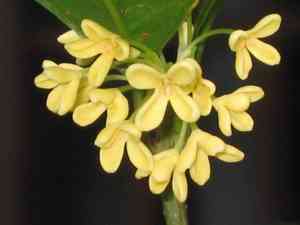
For mexican ash, the ideal period for relocation extends from the onset of early spring through the mild temperatures of late spring. Root development flourishes in cooler, damp earth, shielded from extreme heat. Choose a location bathed in sunlight, offering sufficient room for expansion. Guarantee a hospitable environment by aerating the adjacent soil to accommodate its root system.
What Preparations are Needed Before Transplanting Mexican Ash?
What is the Ideal Time for Transplanting Mexican Ash?
The most favorable period to move mexican ash is typically during the mild warming months of early to late spring. This is when the ground begins to soften and conditions are suitable for mexican ash's root system to become established before the intense heat of summer. Relocating mexican ash in springtime allows the plant to benefit from rising temperatures and moisture, creating a strong foundation for development. This ensures it has sufficient time to recover from the shock of transplantation and spread its roots, leading to a vigorous and thriving mexican ash.
How Much Space Should You Leave Between Mexican Ash Plants?
Oh, you're about to welcome a beautiful mexican ash into your garden! Remember to give it plenty of room to flourish. Aim for a spacing of about 20-30 feet (6-9 meters) between each mexican ash. This will allow for healthy growth without overcrowding.
What is the Best Soil Mix for Mexican Ash Transplanting?
For your precious mexican ash, you'll want to prepare the ground with well-draining soil. A loamy type is ideal, with some organic matter mixed in. Before planting, enrich the site with a balanced, slow-release fertilizer to give mexican ash a nourishing start!
Where Should You Relocate Your Mexican Ash?
Your mexican ash adores the sunbeams, dearly! Choose a spot where it will receive at least 6 hours of direct sunlight daily. Morning sunlight with some afternoon shade would be perfect, ensuring your mexican ash gets the light it needs without the stress of intense afternoon heat.
What Equipments Should You Prepare Before Transplantation Mexican Ash?
Shovel or Spade
To excavate the mexican ash's root ball and prepare the new planting hole.
Watering Can or Hose
For hydrating the mexican ash before and after relocation.
Garden Fork
To loosen the soil around the plant's original spot and in the new planting area.
Wheelbarrow or Tarp
For moving the mexican ash to its new location without harming the root ball.
Pruning Shears
To trim any damaged roots or branches prior to transplanting.
Gardening Gloves
To safeguard your hands while working with the soil and plant.
Soil Amendment
To blend with the existing soil if needed for improved root development.
Stakes and Ties
To support the mexican ash if it's a larger specimen and requires stabilization after transplanting.
How Do You Remove Mexican Ash from the Soil?
How Do You Remove Mexican Ash from the Soil?
From Pot: Water the mexican ash thoroughly before starting. Turn the pot sideways, tap the bottom, and gently pull out the plant by the base of the stem. Support the root ball to prevent it from breaking apart.From Seedling Tray: Similar to a pot, water the seedlings first. Use a small tool or stick to ease the mexican ash seedling out, making sure to bring along the surrounding soil and roots to avoid disturbing them.From Ground: Water the mexican ash to dampen the soil. Dig a wide circumference around the plant with your shovel, ensuring you're far enough out not to damage the root system. Gently undermine the root ball with your garden fork or shovel and lift the mexican ash with the soil intact.
Step-by-Step Guide for Transplanting Mexican Ash
Preparation
Water the mexican ash well the day before transplanting to ensure it's hydrated.
Digging New Hole
Dig a hole in the ground double the width of the root ball and just as deep to allow easy placement of the mexican ash.
Root Ball Inspection
Before placing the mexican ash in the new hole, check the root ball. Trim any broken or damaged roots with pruning shears.
Plant Placement
Position the mexican ash so that it sits at the same level in the ground as it did in its original location. Fill in around the root ball with soil, gently firming as you go to remove any air pockets.
Staking
If the mexican ash is large or top-heavy, install stakes around it for support. Use ties to secure the plant to the stakes loosely.
Initial Watering
Water the mexican ash thoroughly after planting to settle the soil and help with shock. Use mulch around the base to retain soil moisture but keep it away from the plant's trunk.
How Do You Care For Mexican Ash After Transplanting?
Immediate Watering
Thoroughly water mexican ash right after transplanting to help settle the soil and eliminate any air gaps around the roots.
Mulching
Apply a layer of mulch around mexican ash to help retain moisture, regulate soil temperature, and reduce weed competition, keeping the mulch a few inches away from the trunk.
Staking
Keep any support stakes in place for at least the first year, or until mexican ash is stable and growing strongly.
Monitoring
Regularly check mexican ash for signs of water stress or leaf wilting, which could indicate that the plant needs more or less water.
Pruning
Avoid heavy pruning immediately after transplanting as this can stress mexican ash. Remove only broken or damaged branches.
Troubleshooting Common Issues with Mexican Ash Transplantation.
When's the best time to transplant mexican ash?
Optimum transplanting time is from early to late spring, tapping into mexican ash's growth season.
How far apart should I space mexican ash when transplanting?
For healthy growth, plant mexican ash with 20-30 feet (6-9 meters) between them to give ample space.
Why is my transplanted mexican ash wilting?
Wilting post-transplant can be from shock. Ensure proper watering, avoiding both drought and waterlogging.
Is sun exposure important for the transplanted mexican ash?
Absolutely, mexican ash enjoys full sun to partial shade for strong development post-transplant.
How deep should I dig for transplanting mexican ash?
Dig a hole as deep as the root ball and twice as wide for the best results.
Can I transplant mexican ash in the summer or fall?
It's best to transplant in the spring to allow mexican ash to establish before winter.
What soil type is best for transplanting mexican ash?
Use well-draining soil rich in organic matter to give mexican ash a nutrient-rich new home.
How do I know if mexican ash has taken root after transplanting?
Signs of new growth, such as leaves and increased stem strength, indicate successful rooting.
What should I do if the leaves of mexican ash turn brown after transplanting?
Brown leaves could signal distress; ensure it's watered right and getting enough sun, and consider a soil test.
How often should I water mexican ash after transplanting?
Keep the soil evenly moist, watering every few days, and adjust based on weather conditions and soil dryness.



