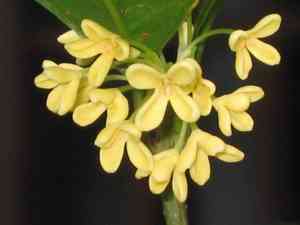
Mexican ash (Fraxinus berlandieriana)
Also known as: Mexican Ash, Rio Grande Ash
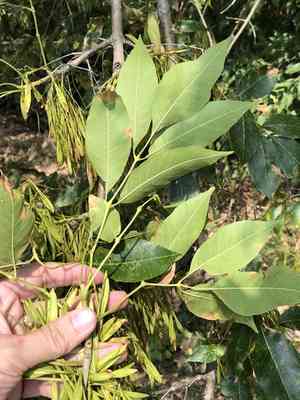
The Mexican ash tree (Fraxinus berlandieriana) is a deciduous species that can grow up to 50 feet tall. Its compound leaves typically have 5 to 9 leaflets arranged along a central stem. The tree's bark varies from smooth to deeply furrowed as it matures. Known for its adaptability, the Mexican ash thrives in diverse environments, including floodplains, indicating its resilience to fluctuating water conditions.
In This Article
Attributes of Mexican ash
Lifespan
Perennial
Plant Type
Tree
Plant Height
11 m to 22 m
Spread
20 to 30 feet
Leaf Color
Green
Flower Size
Not particularly notable
Flower Color
Green to purplish
Images of Mexican ash
Quickly Identify Mexican ash
1
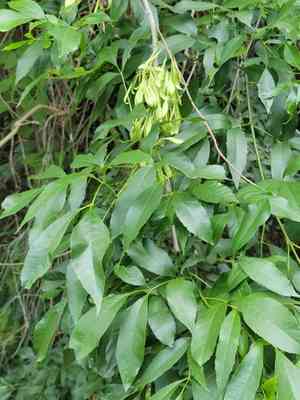
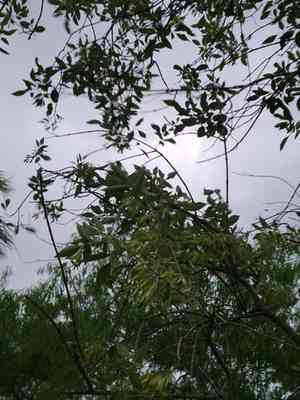
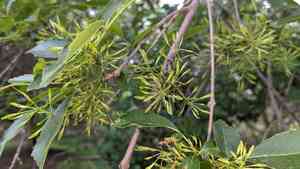
Identify Fraxinus berlandieriana by its compound leaves with 5 to 9 leaflets, smooth to serrated margins, and its light gray bark that develops fissures with age. The tree produces small, inconspicuous flowers and single-winged samaras as fruits.
Scientific Classification of Mexican ash
Phylum
Vascular plants
Class
Dicotyledons
Order
Lamiales
Family
Olive
Genus
Ashes
Species
Mexican ash
Planting and Growing of Mexican ash
Care Difficulty
Easy
Watering Schedule
Every 4 days
Sunlight Requirements
Full sun
Sunshine Duration
4-8 hours
Ideal Temperature
70-85℉
Soil Type
Potting Mix, Peat Mix
Soil pH
6.5-7.5
Fertilizer Type
Balanced
Pruning Season
Spring, Summer
Pruning Area
Branches, Leaves
Pruning Frequency
2 times a year
Repotting Season
Spring
Pot Type
Plastic, Ceramic
 How to Water Mexican ash?
For Fraxinus berlandieriana, a deep soaking is beneficial, ensuring that the soil is moistened throughout. Aim to provide around 500 milliliters of water per session to ensure the roots have enough access to moisture but are not sitting in overly saturated soil.
What are the symptoms of an underwatered Mexican ash?
›
What should I do if my Mexican ash is not getting enough water?
›
What are the symptoms of an overwatered Mexican ash?
›
How to save an overwatered Mexican ash?
›
 What Are the Sunlight Requirements for Mexican ash?
Fraxinus berlandieriana is best suited for full sun to partial sun conditions, ideally enjoying 6-8 hours of sunlight. This balance allows for robust and healthy growth, sustaining the plant’s vitality and aesthetic quality over time.
How much sunlight does Fraxinus berlandieriana need?
›
What solutions can help achieve ideal light?
›
Benefits of receiving ideal light conditions?
›
 What Is the Ideal Temperature Range for Mexican ash?
For Fraxinus berlandieriana to thrive, it is essential to maintain an ideal temperature range of 70°F to 85°F. This range supports optimal photosynthesis and growth processes, ensuring the tree remains healthy and robust.
 What Soil is Best for Mexican ash?
Fraxinus berlandieriana thrives in soil that retains moisture well, yet drains effectively, preventing waterlogging while ensuring the roots stay hydrated. This balance is crucial for optimal growth and prevention of root diseases. Rich, fertile soil provides the essential nutrients Fraxinus berlandieriana needs to flourish. Well-composted loam enhances growth by supplying ample organic matter and nutrients necessary for robust development. Adequate soil aeration allows roots to access oxygen, promoting healthy root development. A well-aerated sandy loam ensures that roots breathe easily, leading to vigorous growth and resilience against stress.
 How to Fertilize Mexican ash?
Ash trees, like Fraxinus berlandieriana, benefit from balanced fertilization to ensure healthy growth. A general guideline is to use a complete, balanced fertilizer such as 10-10-10. For liquid fertilizers, mix it to half strength and apply 2 ounces per gallon of water. Spread this mix evenly over the root zone.
 How to Prune Mexican ash?
Start by evaluating the overall structure of the tree. Look for any dead, diseased, or damaged branches that need immediate attention. Focus on maintaining a strong central leader and balanced branch structure. Begin by removing any deadwood and trim back their branches to the point of origin. For crossing branches, cut back the weaker one. Always ensure cuts are made just outside the branch collar to promote healthy healing. Trim for shape, aiming to enhance the natural form of the tree. Remove any water sprouts or suckers from the base, as keeping the canopy open promotes air circulation and sunlight penetration.
More About Pruning Techniques→
 How to Propagate Mexican ash plant?
1
Collect seeds from mature Fraxinus berlandieriana trees in autumn when they have fully ripened. Remove them from the fruit, clean, and dry them thoroughly before storage or immediate planting.
2
Take cuttings from young, healthy, and disease-free branches. Each cutting should be at least 6 inches long. Remove leaves from the lower part of the cutting and dip it in rooting hormone for improved success rates.
3
Plant seeds in a nutrient-rich, well-draining soil mix. Keep the soil consistently moist but not waterlogged. Provide indirect sunlight and maintain a temperature between 65-75°F for optimal germination.
 How to Repot Mexican ash plant?
1
Repot Fraxinus berlandieriana when you notice its roots bulging out of the drainage holes, or when growth appears stunted despite adequate care. Early spring or autumn, when the plant is not in active growth, is ideal.
2
Select a pot that is 2-3 inches larger in diameter than the current one. This prevents root overcrowding and allows for healthy root expansion, contributing to overall plant vitality and stability in the new environment.
3
Opt for well-draining, loamy soil that retains moisture without becoming waterlogged. This type of soil supports root aeration and nutrient availability, facilitating healthier plant growth and disease prevention.



