How to Prune Mexican ash?
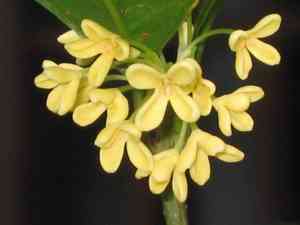
This leafy tree is prized for its expansive crown and resilient characteristics. For mexican ash, essential trimming methods involve excising dead or ailing wood, reducing dense branches to enhance light access, and shortening limbs that jeopardize structural soundness. The ideal period for pruning is in late winter or early spring, prior to the emergence of new foliage. Pruning while the tree is dormant lessens strain and encourages robust spring development, which is crucial for preserving the tree's well-being and visual appeal.
Advantages of Trimming Mexican Ash
Advantages of Trimming Mexican Ash
Trimming mexican ash aids in preserving its form and fostering robust development. Strategic cuts can revitalize the tree, foster a sturdy framework, and uphold the tree's attractive look.
Optimal Period for Trimming Mexican Ash
Optimal Period for Trimming Mexican Ash
For mexican ash, pruning in late winter or early spring is ideal, as this timing aligns with the plant's dormant phase, just before new growth begins. This period is best because it allows the plant to recover from pruning wounds before active growth starts and resources are directed to new leaves and branches, reducing stress and disease risk. Additionally, it prevents cutting off developing buds, which would occur if pruning were delayed until the flowering or fruiting period. Pruning during these seasons also enables gardeners to shape mexican ash more effectively, as the absence of foliage provides better visibility of the plant's structure.
Required Tools for Pruning Mexican Ash
Hand Pruners
Perfect for severing stems and small branches up to 3/4 inch thick. Mexican ash may have such growth that requires regular trimming.
Loppers
These possess extended handles, offering the leverage needed to cut through branches between 1 and 2 inches thick. Mexican ash can develop larger branches that require this tool for proper pruning.
Pruning Saw
Essential for cutting through branches exceeding 2 inches in thickness. Mexican ash may have mature growth that demands a saw for effective pruning.
Hedge Shears
Best for shaping mexican ash when it's used in a hedge design, allows for cutting multiple small stems at once for a clean line.
Pole Pruner
Allows the gardener to reach elevated branches without needing a ladder, which is important for the taller specimens of mexican ash.
Gloves
Shields hands from cuts and abrasions during the pruning process of mexican ash.
Sharpening Tool
Maintains sharp blades for precise cuts, which is vital for the health of mexican ash.
How to Prune Mexican Ash
Sanitation
Prior to starting, disinfect pruning tools with alcohol or a bleach solution to prevent disease transmission when cutting mexican ash.
Identify
Carefully inspect mexican ash to differentiate between healthy and unhealthy branches. Initially focus on dead or diseased limbs that need removal.
Cut Dead Branches
Using sharp shears, cut dead branches where they meet healthy wood, making a clean, angled cut that slopes away from the center of mexican ash.
Cut Diseased Branches
Remove diseased branches by cutting at least several inches into healthy wood beyond the disease symptoms to ensure all affected tissue is eliminated from mexican ash.
Disposal
Discard all removed dead and diseased material away from healthy mexican ash and other plants to prevent any potential spread of disease.
Common Pruning Errors with Mexican Ash
Excessive Pruning
Removing too much foliage from mexican ash can stress the tree, leading to reduced vigor and an increased susceptibility to pests and diseases. Generally, it's best to avoid removing more than 25% of the canopy in a single season.
Flush Cutting
Making pruning cuts flush with the trunk eliminates the branch collar, delaying wound closure and possibly leading to decay. Proper cuts should be made just outside the branch collar.
Tipping
Cutting the ends of branches ('tipping') can result in weak, spindly regrowth and reduce the natural form of mexican ash. Instead, make selective cuts to maintain the tree's structure.
Pruning During Active Growth
Pruning mexican ash when it is actively growing can divert energy from growth and flowering to wound healing, potentially undermining the plant's health and aesthetic appeal.
Neglecting Tool Sanitation
Failing to clean pruning tools between cuts and different trees can spread diseases. Always sanitize tools with a solution like isopropyl alcohol or bleach to minimize disease spread.
Improper Cut Angles
Making cuts at improper angles can leave stubs or damage the branch collar. Cuts should be angled just above a dormant bud and sloping away from it, which allows water to drain and promotes proper healing.
General Pruning Advice for Mexican Ash
Thinning
Remove select internal branches to improve sunlight penetration and air circulation. This is crucial for mexican ash to maintain a strong structure and encourage healthy growth.
Deadwood Removal
Always remove dead, diseased, or damaged branches to help mexican ash direct its energy toward healthy growth and maintain a clean appearance.
Cutting Technique
Use sharp, sanitized pruning tools for clean cuts that heal quickly. Bypass pruners or loppers are typically suitable for mexican ash, while a pruning saw may be necessary for larger branches.
Branch Selection
Identify branches that disturb the natural shape or compete with the central leader. Understand the growth pattern of mexican ash to select the right branches for removal or trimming.
Identifying Buds
Recognizing the location of dormant buds ensures that cuts will stimulate new growth in the desired direction. Always cut at a 45-degree angle just above the bud.
Preserving Branch Collar
The branch collar is a swelling at the base of a branch and is critical in healing pruning wounds. Ensure that cuts do not injure the branch collar by cutting just outside of it.



