How to Transplant Fontanesia?
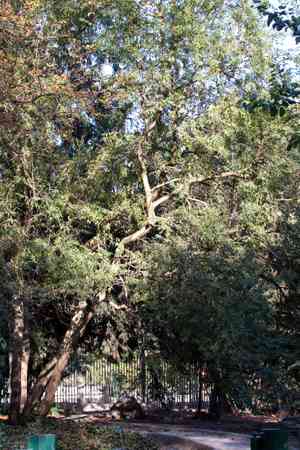
Fontanesia flourishes most effectively when relocated between early and late spring, or during the initial part of winter, owing to mild temperatures and diminished strain. Provide a site with full sun to partial shade and soil that drains efficiently for peak development.
Essential Preparations Before Relocating Fontanesia?
When is the Best Period for Moving Fontanesia?
The prime times for relocating fontanesia are from early to late spring or during early winter. These periods offer moderate temperatures and sufficient moisture, which lessens transplant shock and encourages root development. Moving the plant at these times ensures improved long-term growth and resilience for fontanesia.
What is the Recommended Spacing Between Fontanesia Plants?
When transplanting fontanesia, ensure a distance of 6-10 feet (1.8-3 meters) between plants. This provides ample room for individual growth and prevents competition for resources. It's a great start for promoting robust development.
Which Soil Mixture is Optimal for Fontanesia Transplantation?
Prepare soil that drains effectively for fontanesia. Incorporate organic compost or a balanced fertilizer to enrich the soil with nutrients. Aim for a pH level that is slightly acidic to neutral (6.0-7.0). This helps create the best growing environment for your perennial.
Where Should You Replant Your Fontanesia?
Select a site that receives full sun, meaning at least 6-8 hours of direct sunlight daily. Fontanesia flourishes in bright sunlight, which aids in the development of strong and healthy foliage.
What Tools Are Necessary Before Transplanting Fontanesia?
Gardening Gloves
To safeguard your hands while handling soil and the plant.
Spade or Shovel
For excavating the transplant hole and carefully lifting the plant.
Watering Can or Hose
To hydrate the plant before and after its relocation.
Wheelbarrow or Large Container
To move the plant if necessary.
Pruners
To trim any damaged or excessively large roots.
Mulch
To assist in retaining soil moisture and regulating soil temperature.
Stakes and Ties
To support the plant if it is top-heavy or has a tall structure.
How to Extract Fontanesia from its Current Location?
How to Extract Fontanesia from its Current Location?
From Ground: First, moisten the fontanesia plant to soften the soil. Then, excavate a wide trench around the plant using a shovel or spade, ensuring the plant's root ball remains intact. Carefully work the spade beneath the root ball to lift the plant from its original spot.From Pot: Hydrate the fontanesia plant to facilitate removal. Gently tilt the pot on its side and tap the edges to loosen the soil. Hold the plant's base and carefully slide it out, attempting to keep the root ball undisturbed.From Seedling Tray: Water the seedling in the tray to simplify its extraction. Use a small tool or your fingers to gently lift the fontanesia seedling from the tray, taking care not to harm the delicate roots.
Step-by-Step Guide for Relocating Fontanesia
Excavating the Hole
Dig a hole at the prepared site that is twice as wide and equally deep as the fontanesia plant's root ball.
Preparing the Plant
If the roots of your fontanesia are tightly matted, gently separate them with your fingers. This encourages new growth into the surrounding soil.
Planting the fontanesia
Position the fontanesia into the hole, ensuring the top of the root ball is level with or slightly above the surrounding soil. Fill the hole halfway with soil and gently tamp it down to remove air pockets.
Watering In
Thoroughly water the plant to settle the soil around the roots. Wait for the water to be absorbed, then fill in the remainder of the hole with soil and pat it gently.
Staking (if necessary)
If your fontanesia plant is top-heavy or tall, use stakes and ties to provide support until the roots are better established.
How to Care for Fontanesia After Relocation?
Watering
Keep the soil around the fontanesia consistently damp, but not waterlogged, for the initial few weeks after transplanting to aid in strong root establishment.
Mulching
Apply a 2-3 inch layer of mulch around the base of the fontanesia to help retain moisture and suppress weeds.
Monitoring
Regularly inspect the plant for signs of distress, such as wilting or yellowing leaves, and adjust care as needed.
Fertilizing
Wait a few weeks before applying any fertilizer to prevent burning the newly transplanted roots. When you do fertilize, use a balanced, slow-release formula.
Addressing Common Issues with Fontanesia Relocation.
When is the optimal time to move fontanesia?
The best period is from early spring to late spring or early winter for peak results.
What spacing should I use when moving fontanesia?
Space fontanesia 6-10 feet (1.8-3 meters) apart to ensure healthy development.
Which soil type is ideal for relocating fontanesia?
Fontanesia thrives in well-draining soil with a pH level that is slightly acidic to neutral.
How deep should I plant fontanesia?
Plant fontanesia at the same depth it was previously growing to prevent root stress.
How often should I water fontanesia after relocation?
Water fontanesia regularly, ensuring the soil remains moist but not saturated after transplanting.
What if fontanesia's leaves turn yellow after relocation?
Ensure adequate watering and inspect the roots. Yellow leaves may indicate transplant shock or overwatering.
How can I minimize transplant shock for fontanesia?
Water thoroughly before and after transplanting, and avoid damaging the roots during the process.
What weather conditions are best for moving fontanesia?
Mild, cool weather is preferable. Avoid transplanting during extreme heat or frost conditions.
How do I prepare the new planting hole for fontanesia?
Dig a hole twice as wide and just as deep as the fontanesia's root ball.
Should I fertilize fontanesia immediately after relocating?
It's advisable to wait a few weeks before fertilizing to allow fontanesia to establish in its new location.



