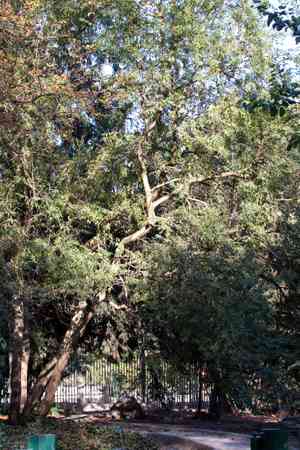
Fontanesia (Fontanesia fortunei)
Also known as: Fortune's Fontanesia
Fontanesia, commonly considered to encompass a single species, comprises deciduous shrubs or small trees that can reach up to 8 meters in height. The foliage is opposite and ranges from lanceolate to narrowly ovate, featuring an acute apex and generally entire margins, though occasionally finely serrated. The plants produce small, white flowers with a deeply four-lobed corolla, arranged in panicles. The fruit is a flat samara, encircled by a wing. Native habitats include Southern Europe, Southwestern Asia, and Eastern Asia.
In This Article
Attributes of Fontanesia
Lifespan
Perennial
Plant Type
Shrub
Plant Height
3 m to 4.5 m
Spread
1.5-3 meters
Leaf Color
Green
Flower Size
0.5-1 cm
Flower Color
White
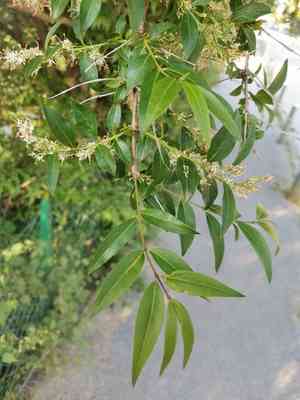
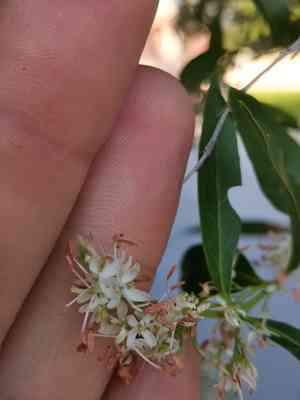
Images of Fontanesia
Quickly Identify Fontanesia
1
Opposite lanceolate leaves, 1-5 inches long, with acuminate apex and simple veining.
2
White flowers in clusters, 1 1/4 inches long, with small blossoms and four petals.
3
Thin disc-shaped fruit, 3/8 inch in diameter, with winged margins transitioning from green to brown.
4
Tetragonal stems with four angles, 0.2-0.5 inches thick, and green to brownish-green color.
Scientific Classification of Fontanesia
Phylum
Vascular plants
Class
Dicotyledons
Order
Lamiales
Family
Olive
Genus
Fontanesia
Species
Fontanesia
Planting and Growing of Fontanesia
Care Difficulty
Easy
Watering Schedule
Every 4 days
Sunlight Requirements
Full sun
Sunshine Duration
4-8 hours
Ideal Temperature
60-75℉
Soil Type
Potting Mix, Peat Mix
Soil pH
6.5-7.5
Fertilizer Type
Balanced
Pruning Season
Spring, Summer
Pruning Area
Branches, Leaves
Pruning Frequency
Once a year
Repotting Season
Spring
Pot Type
Plastic, Ceramic
 How to Water Fontanesia?
For Fontanesia fortunei, water deeply, providing about 500 ml of water each time. Ensure the water reaches the root zone without saturating the soil. Allow the top inch of soil to dry out before watering again, as this promotes healthy root growth.
What are the symptoms of an underwatered Fontanesia?
›
What should I do if my Fontanesia is not getting enough water?
›
What are the symptoms of an overwatered Fontanesia?
›
How to save an overwatered Fontanesia?
›
 What Are the Sunlight Requirements for Fontanesia?
For optimal health, Fontanesia fortunei thrives in a range of full to partial sun, benefiting from at least six hours of sunlight daily, promoting robust growth and foliage development.
Optimal Sun Exposure
›
Avoid Excessive Shade
›
Balance Sunlight and Shelter
›
 What Is the Ideal Temperature Range for Fontanesia?
Ideal temperatures for Fontanesia fortunei range from 60°F to 75°F. This range supports optimal physiological processes, maximizing plant health and growth. Consistency within this range ensures that the plant’s biological functions operate efficiently, promoting robust development.
 What Soil is Best for Fontanesia?
Fontanesia fortunei thrives in well-drained loam, preventing root rot by allowing excess water to escape, making it resilient and thriving. While it prefers moisture, it should not sit in waterlogged conditions; balanced moisture promotes healthy, full foliage and flowering. A soil that isn't overly rich ensures the plant doesn't overgrow, leading to a well-proportioned and manageable growth habit.
 How to Fertilize Fontanesia?
Fontanesia fortunei is a moderate feeder, requiring careful attention to its feeding schedule. Use a balanced 10-10-10 liquid fertilizer at a rate of one tablespoon per gallon of water. This ensures it receives the right balance of nutrients without oversaturating the soil.
 How to Prune Fontanesia?
Begin by inspecting the Fontanesia fortunei for any dead or damaged branches. Use sharp, clean pruning shears for a precise cut. Trim these branches back to the main stem or to a healthy lateral shoot, ensuring a clean cut to promote quick healing. Avoid cutting too close to the main stem to reduce stress and potential damage. To maintain a desirable shape and size, identify the main branches that need to be maintained. Prune branches that cross each other and reduce overcrowding. This will allow more light and air to penetrate, encouraging healthier growth and reducing the risk of disease. Focus on thinning out older growth to stimulate new shoots. This involves removing about a third of the oldest branches each season. This practice helps rejuvenate the plant and encourages more vigorous growth, ensuring the plant remains lush and vibrant.
More About Pruning Techniques→
 How to Propagate Fontanesia plant?
1
Choose a healthy, non-flowering shoot from the parent plant. Ideally, the cutting should be about 10-15 cm in length with at least one set of leaves. Make the cut just below a node.
2
Remove the lower leaves from the cutting, leaving two or three at the top. This reduces water loss and encourages root formation. Dip the cut end in rooting hormone.
3
Plant the prepared cutting in a pot with well-draining potting mix. Firm the soil gently around the cutting and water it lightly to settle the soil and remove air pockets.
 How to Repot Fontanesia plant?
1
Repot Fontanesia fortunei when you see roots coming out of the drainage holes or when the plant appears stunted, indicating it has outgrown its pot. Early spring or autumn is ideal, providing a recovery period.
2
Choose a pot that's 1-2 inches larger in diameter than the current one, ensuring it has adequate drainage holes. Larger pots allow roots to expand, preventing root binding and promoting healthier growth.
3
Select a well-draining potting mix that retains some moisture but doesn’t get soggy. Good soil allows proper aeration and provides essential nutrients, ensuring robust root development and plant health.



