How to Prune Fontanesia?
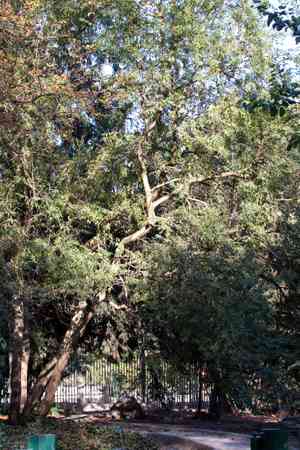
Fontanesia, a rapidly developing, multi-stemmed woody plant, thrives with trimming from late winter through early spring. Remove any lifeless or compromised branches, reduce dense areas of growth, and sculpt the shrub to improve airflow and deter infestations. Refrain from extensive cutting during its active growth period to avert strain. Consistent trimming boosts its visual charm and fosters more vigorous development. Adhering to optimal gardening techniques will aid in preserving this plant's sturdy form and lively look.
Advantages of Trimming Fontanesia
Advantages of Trimming Fontanesia
Trimming fontanesia promotes robust development and preserves its form. This aids the plant in building a strong framework, resisting pests and illnesses, and enhancing its overall look. Regular trimming is vital for fontanesia to flourish and remain healthy.
Optimal Time for Trimming Fontanesia
Optimal Time for Trimming Fontanesia
Trimming fontanesia in early spring or late winter is recommended as the plant is in its dormant state. This timing minimizes plant stress and lowers disease risk. Furthermore, pruning before the active growth cycle ensures quick healing from cuts and encourages vigorous growth as the season advances. Pruning outside these periods, especially during active growth or flowering, can weaken the plant and reduce its vitality.
Required Tools for Trimming Fontanesia
Hand Pruners
Perfect for cutting small branches and stems up to 1 inch in diameter. Their precision helps maintain fontanesia's shape and health.
Loppers
Useful for cutting through thicker branches, typically up to 2 inches in diameter. The long handles provide leverage, making it easier to prune higher and tougher sections of fontanesia.
Pruning Saw
Essential for removing branches too thick for hand pruners or loppers. A pruning saw helps make clean cuts on larger branches, preventing damage to fontanesia.
Hedge Shears
Good for shaping and trimming when fontanesia is grown as a hedge. They provide an even cut along the surface for aesthetic shaping.
Pole Pruners
Helpful for reaching higher branches without a ladder. They allow gardeners to safely trim higher parts of fontanesia while standing on the ground.
How to Trim Fontanesia
Inspection
Carefully examine fontanesia to identify and mark diseased leaves, withered leaves, dead branches, and diseased branches that require trimming.
Tools Sterilization
Sterilize pruning tools with alcohol or a disinfectant solution to prevent disease transmission between cuts.
Remove Diseased Leaves
Start by removing diseased leaves, cutting them at the base where they connect to the stem. Ensure proper disposal to prevent disease spread.
Remove Withered Leaves
Next, cut away withered leaves, trimming them back to the base of the leaf stem while avoiding damage to healthy parts.
Trim Dead Diseased Branches
Finally, prune off dead branches and any showing signs of disease. Make clean cuts just above a healthy bud or at the branch collar to promote proper healing.
Common Trimming Errors with Fontanesia
Over-pruning
Excessive removal of branches and foliage can stress fontanesia and impede its growth. It's important to only remove what is necessary to maintain the plant's shape and health.
Incorrect cuts
Making cuts improperly, such as too close to the bud or leaving too much of a stub, can lead to poor healing and vulnerability to pests and diseases.
Ignoring dead or diseased wood
Not removing dead, damaged, or diseased wood can affect fontanesia's overall health and increase the risk of infections spreading.
Using dirty or blunt tools
Pruning with unclean or dull tools can cause ragged cuts, making fontanesia susceptible to pathogens and potentially slowing down the healing process.
Random pruning
Haphazardly cutting branches without a plan can lead to an uneven shape and compromised health of fontanesia. Proper planning is essential for effective pruning.
General Trimming Advice for Fontanesia
Clean and sharp tools
Always use clean, sharp pruners to ensure clean cuts that heal quickly. Sanitize tools before and after use to prevent disease spread.
Remove crossing branches
Eliminate any branches that cross or rub against each other to prevent damage and promote a well-structured plant.
Thin out the canopy
By selectively thinning out crowded areas, you can improve light penetration and air circulation, which are crucial for the health of fontanesia.
Focus on shape and structure
Pruning should aim to maintain an aesthetically pleasing shape while ensuring the structural integrity of fontanesia. Remove any branches that disrupt the desired form.
Gradual pruning
For novice gardeners, it’s advisable to prune gradually rather than all at once. This approach reduces stress on fontanesia and allows for better control over its form and growth.



