How to Transplant American tarwort?
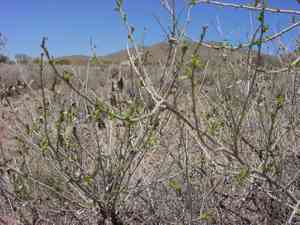
The ideal period for transplanting american tarwort spans from the subtle onset of late autumn into the initial quiet of winter, enabling the root system to establish itself prior to spring. Select a location bathed in sunlight with soil that drains effectively to facilitate a smooth adjustment. Rely on this timeframe for vigorous development!
What Preparations are Needed Before Transplanting American Tarwort?
What is the Ideal Time for Transplanting American Tarwort?
The period between late fall and early winter is perfect for american tarwort's relocation. During this calm time, american tarwort benefits from cooler temperatures and reduced water loss, ensuring a smooth transition. Moving american tarwort in this peaceful season allows roots to establish with minimal stress, while the soil's warmth encourages growth before winter's rest. This timing leverages natural cycles, boosting american tarwort's health and resilience.
How Much Space Should You Leave Between American Tarwort Plants?
Greetings, aspiring gardener! When rehousing american tarwort, imagine each one needing its own personal space. Aim to position them approximately 30-36 inches (76-91 cm) apart. This will provide them ample room to thrive and reach their full potential!
What is the Best Soil Mix for American Tarwort Transplanting?
For american tarwort, considering soil is like selecting a cozy bed. Opt for well-drained soil, rich in organic material, and incorporate a balanced, slow-release fertilizer to give american tarwort a nutritious start. It's akin to preparing a wholesome meal for a friend!
Where Should You Relocate Your American Tarwort?
Just like us, american tarwort loves a sunny spot! Choose a location where they can enjoy full sunlight for most of the day. This sun-drenched area will help american tarwort grow vigorously, adding a touch of nature's beauty to your garden.
What Equipments Should You Prepare Before Transplantation American Tarwort?
Gardening Gloves
To safeguard your hands while handling soil and plants.
Shovel or Spade
For excavating the plant from its original spot and preparing the new planting hole.
Watering Can or Hose
To hydrate the plant before and after the transplanting process.
Pruning Shears
To trim any damaged roots or foliage prior to transplanting.
Wheelbarrow or Plant Dolly
To move the plant to its new site without causing damage.
Mulch
To help maintain soil moisture and reduce weed growth around the new planting area.
Trowel
For more precise work in preparing the planting hole and adjusting the plant's position.
Organic Matter (compost)
To enrich the soil and supply nutrients for the american tarwort.
Measuring Tape
To ensure correct spacing between multiple transplanted american tarwort.
Stakes or Plant Supports (if necessary)
To offer stability for the american tarwort after transplanting, especially if the plant is tall or top-heavy.
How Do You Remove American Tarwort from the Soil?
How Do You Remove American Tarwort from the Soil?
From Ground: Start by thoroughly watering the american tarwort to facilitate soil removal. Use a shovel to dig a wide circle around the plant, keeping a safe distance from the root ball. Gently work the shovel under the roots, carefully lifting the entire root ball from the soil.From Pot: Water your american tarwort to help the roots detach from the pot. Tilt the pot sideways and tap its bottom and sides to loosen the root ball. As it begins to slide out, support the plant by its base and carefully remove it from the pot.From Seedling Tray: Moisten the seedling tray to make extraction easier. Gently press the soil from beneath the desired cell or use a trowel to carefully lift out the seedling, ensuring the root system remains as intact as possible.
Step-by-Step Guide for Transplanting American Tarwort
Prepare the Area
Clear the new site of any weeds, debris, or rocks. Loosen the soil to a depth of about 6-8 inches to encourage root development.
Dig Planting Hole
Create a hole twice as wide as the root ball and equal in depth to ensure the american tarwort is planted at the same level it was growing previously.
Amend Soil
Mix some organic material into the soil you've removed to enhance fertility and drainage for the american tarwort.
Position the Plant
Place the american tarwort in the center of the hole. The top of the root ball should be level with the soil surface.
Refill the Hole
Gently backfill the hole with the amended soil, tamping down lightly to eliminate air pockets without overly compacting the soil.
Water Immediately
After planting, water the american tarwort thoroughly to settle the soil and provide essential moisture for the roots.
Add Mulch
Apply a layer of mulch around the plant, keeping it a few inches away from the stem to reduce rapid water evaporation and suppress weeds.
How Do You Care For American Tarwort After Transplanting?
Watering
Ensure the soil around the american tarwort stays consistently moist for the initial few weeks. Avoid overwatering, which could harm the plant.
Checking Sturdiness
Confirm the american tarwort is stable in its new location. If needed, stake any loose plants to provide support as they establish.
Monitoring Growth
Observe the american tarwort for signs of transplant shock, such as wilting or discolored leaves, and take appropriate action promptly.
Pruning
Remove any dead or damaged foliage to help the american tarwort conserve energy for root establishment and new growth.
Troubleshooting Common Issues with American Tarwort Transplantation.
When is the best time to transplant american tarwort?
The ideal time is during the cooler months, from mid-autumn to the beginning of winter.
How far apart should I space american tarwort when transplanting?
Ensure a generous distance of 30-36 inches (76-91 cm) between each american tarwort for optimal growth.
Why are my american tarwort plants wilting after transplant?
Wilting may be due to transplant shock. Keep the soil moist and avoid direct sun initially.
What soil type is best for transplanting american tarwort?
Use well-draining soil enriched with organic matter to encourage healthy root development for american tarwort.
How deep should the hole be for transplanting american tarwort?
Dig a hole twice the width and the same depth as the root ball of american tarwort.
Can I use fertilizer when transplanting american tarwort?
It's advisable to wait until american tarwort is established before applying a balanced, slow-release fertilizer.
How much should I water american tarwort after transplanting?
Water thoroughly after transplanting, then provide 1 inch (2.5 cm) of water weekly.
Does american tarwort require full sun after transplanting?
Initially, provide partial shade, then gradually increase to full sun as american tarwort adapts.
What should I do if american tarwort's leaves turn yellow post-transplant?
Yellowing may indicate overwatering or nutrient deficiency. Adjust watering and consider soil testing.
How do I protect my newly transplanted american tarwort from frost?
Mulch around the base and consider frost blankets when a significant temperature drop is anticipated.



