How to Prune American tarwort?
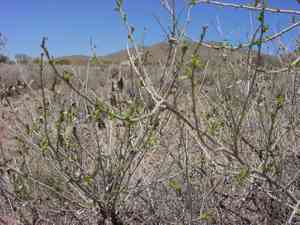
This arid-tolerant bush, recognized for its thick leaves and golden blossoms, thrives with trimming to preserve its form and foster vigor. For american tarwort, conduct pruning in late winter or early spring prior to the emergence of new shoots. Initially, eliminate any deceased or compromised branches. Cut back to encourage a preferred silhouette, concentrating on older stalks to stimulate fresh development. Pruning aids in boosting air movement and diminishes the likelihood of ailments. Consistent trimming elevates the plant's visual appeal and prevents excessive expansion.
What Are the Benefits of Pruning American Tarwort?
What Are the Benefits of Pruning American Tarwort?
Trimming american tarwort promotes robust development and preserves its desired form. Strategic cutting back revitalizes american tarwort's new growth, while shaping maintains its visual appeal and supports overall plant vitality.
What Is the Best Time for Pruning American Tarwort?
What Is the Best Time for Pruning American Tarwort?
The optimal period to prune american tarwort is in late winter or early spring before new growth emerges. Pruning during this dormant phase minimizes plant stress and lowers the chance of disease transmission, as wounds can mend quickly with the start of the growing season. Trimming in late winter allows gardeners to remove any damage from cold weather and prepare american tarwort for strong spring growth. In early spring, it's simpler to shape american tarwort without leaf obstruction and to spot any dead or diseased branches needing removal. Pruning at this time also stimulates new growth and can boost flowering or fruiting by directing the plant's energy into producing fresh shoots.
What Tools Do I Need to Prune American Tarwort?
Hand Pruners
Perfect for severing stems and slender branches of american tarwort. Their size and precision enable precise, clean cuts without causing undue harm to the plant.
Loppers
With their extended handles, loppers provide leverage for cutting thicker branches that hand pruners cannot manage. Utilize loppers for trimming branches up to 1.5 inches in diameter of american tarwort.
Pruning Saw
When branches are too thick for loppersâexceeding 1.5 inches in diameterâa pruning saw becomes essential. The saw permits cutting larger limbs with greater control and less injury to american tarwort.
Gloves
Wearing gloves is crucial to safeguard your hands from thorns and rough bark while pruning american tarwort.
Safety Glasses
Safety glasses help protect your eyes from falling debris and dust when pruning american tarwort.
How to Prune American Tarwort
Disinfect tools
Before beginning, ensure all pruning tools are sanitized to prevent the spread of disease to or from american tarwort. Clean cuts will help american tarwort recover more quickly.
Remove dead material
Carefully eliminate any dead branches and withered leaves from american tarwort by making clean cuts at the base of the affected material. Avoid tearing or damaging healthy tissue during the process.
Cut diseased sections
Identify and trim away diseased leaves and branches from american tarwort. Make your cuts well into the healthy tissue to ensure all affected parts are completely removed.
Thin crown
Thin out the crown of american tarwort if necessary to improve air circulation and sunlight penetration. This can help reduce the likelihood of future diseases.
Shape plant
Finally, shape american tarwort by selectively trimming branches to maintain its natural growth habit and appearance. Focus on creating a balanced structure without over-pruning.
Common Pruning Mistakes with American Tarwort
Ignoring plant health
Pruning american tarwort when it is unwell can worsen stress and susceptibility to disease. Always assess the health of american tarwort before pruning.
Overpruning
Removing too much foliage at once can shock american tarwort, impeding their growth and flowering. It is crucial to prune within appropriate limits.
Improper cut placement
Cutting too close to the main stem or leaving a large stub can lead to poor healing and potential infestation sites.
Using dull tools
Pruning american tarwort with dull tools can cause jagged cuts that are slow to heal and more susceptible to disease.
Neglecting to disinfect
Failing to disinfect tools between cuts can spread pathogens from diseased branches to healthy ones.
Common Pruning Tips for American Tarwort
Identify growth pattern
Understand the growth habit and natural shape of american tarwort to guide pruning decisions, aiming to maintain the plant's desirable characteristics.
Selective thinning
Remove select branches of american tarwort to improve air circulation and light penetration, encouraging both health and bloom quality.
Clean cuts
Make clean, angled cuts just above a bud or leaf node to promote efficient healing and reduce the risk of disease for american tarwort.
Consistent maintenance
Regularly removing dead or damaged wood improves not only the aesthetics but also the vigor of american tarwort.
Right time of day
Although instructions exclude seasonal timing, pruning american tarwort during the cooler part of the day can reduce stress on the plant.



