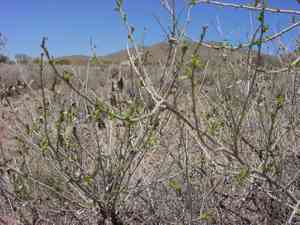
American tarwort (Flourensia cernua)
Also known as: Tarbush
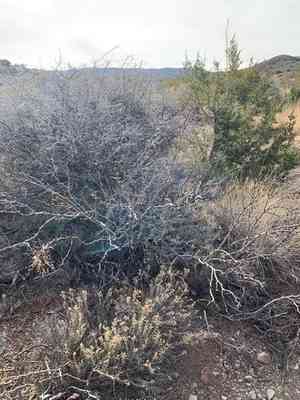
The American tarwort, or tarbush (Flourensia cernua), is a perennial deciduous shrub with a height range of 30 to 91 cm and a spread of up to 4 meters. It features yellow blooms in the spring and propagates through underground roots. This plant flourishes in full sun and does not tolerate shade well, making it ideal for arid and semi-arid environments with well-drained sandy or rocky soils.
In This Article
Attributes of American tarwort
Lifespan
Perennial
Plant Type
Shrub
Plant Height
2 m
Spread
Approximately 1 to 1.5 meters
Leaf Color
Green
Flower Size
Around 1 centimeter
Flower Color
Yellow
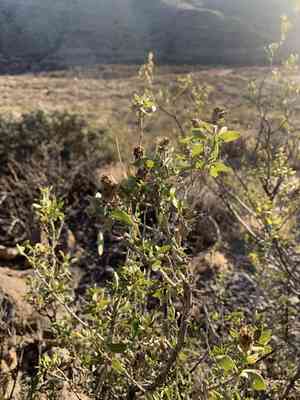
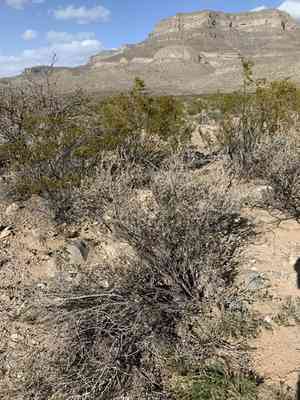
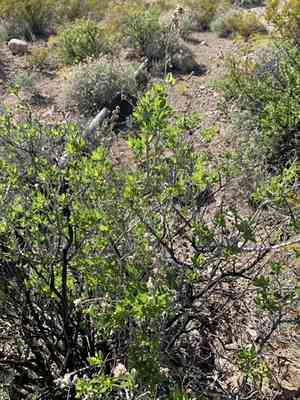
Images of American tarwort
Quickly Identify American tarwort
1
Flourensia cernua can be identified by its sticky, aromatic leaves and yellow flower heads. The leaves are small, oblong to lanceolate, and covered in resinous glands, giving them a shiny appearance.
Scientific Classification of American tarwort
Phylum
Vascular plants
Class
Dicotyledons
Order
Asterales
Family
Daisy
Genus
Tarworts
Species
American tarwort
Planting and Growing of American tarwort
Care Difficulty
Easy
Watering Schedule
Every 2 days
Sunlight Requirements
Full sun
Sunshine Duration
6-10 hours
Ideal Temperature
60-90℉
Soil Type
Potting Mix, Peat Mix
Soil pH
6.5-7.5
Fertilizer Type
Balanced
Pruning Season
Spring, Summer
Pruning Area
Branches, Leaves
Pruning Frequency
2 times a year
Repotting Season
Spring
Pot Type
Plastic, Ceramic
 How to Water American tarwort?
When watering Flourensia cernua, aim to provide around 250 milliliters per session. The key is to ensure the soil is thoroughly moistened but not waterlogged—aim for dampness similar to that of a wrung-out sponge.
What are the symptoms of an underwatered American tarwort?
›
What should I do if my American tarwort is not getting enough water?
›
What are the symptoms of an overwatered American tarwort?
›
How to save an overwatered American tarwort?
›
 What Are the Sunlight Requirements for American tarwort?
Flourensia cernua thrives in full sun exposure. This ensures efficient photosynthesis and promotes optimal growth, maintaining its natural health and robust structure.
What is the ideal sun exposure for Flourensia cernua?
›
How can you ensure Flourensia cernua gets ideal sunlight?
›
What benefits does Flourensia cernua gain from ideal lighting?
›
 What Is the Ideal Temperature Range for American tarwort?
The ideal temperature range for growing Flourensia cernua is between 60°F and 90°F. This range ensures optimal metabolic activity and physiological processes such as photosynthesis and nutrient uptake, promoting healthy growth of the plant.
 What Soil is Best for American tarwort?
Flourensia cernua prefers soil that drains well to prevent waterlogged conditions, which could damage the roots and lead to poor plant health. Optimal drainage ensures the roots stay healthy and absorb nutrients effectively. While not overly demanding, Flourensia cernua thrives in soil with adequate organic matter. Incorporating compost enriches the soil, providing essential nutrients that enhance growth and flowering. This plant benefits from being in soil that receives ample sunlight exposure, ensuring robust photosynthesis and a healthy bloom cycle. Sun-exposed conditions help in achieving optimal growth and vitality.
 How to Fertilize American tarwort?
Flourensia cernua generally requires moderate fertilization. Liquid fertilizers should be mixed at half the recommended strength to avoid root burn, roughly 5 ml per liter of water. Slow-release fertilizers can be applied sparingly, around 50 grams per application per plant.
 How to Prune American tarwort?
Start by identifying and removing any dead, damaged, or diseased branches. Look for branches that appear dry, brittle, or show signs of rot or fungal growth. Trim back any overgrown branches to maintain an attractive, rounded shape. This usually means cutting back any branches that are disproportionately long compared to the rest of the shrub. Ensure there's enough space between branches to allow air to circulate, reducing the risk of fungal infections. Thinning out crowded sections can help achieve this.
More About Pruning Techniques→
 How to Propagate American tarwort plant?
1
First, fill the seed tray with a light, well-draining potting mix. Water the soil mixture to ensure it is evenly moist before sowing the seeds. Sow the seeds evenly and lightly cover them with a thin layer of soil.
2
Select a healthy branch from the mother plant and use your pruning shears to take a 6 to 8-inch cutting. Make sure the cut is just below a node, then remove the lower leaves to reduce moisture loss and preparatory rooting.
3
Dip the cut end of the cutting into a rooting hormone. Plant it into a pot filled with a suitable substrate, ensuring that at least one node is buried under the soil. Water gently and cover the pot with plastic to maintain humidity.
 How to Repot American tarwort plant?
1
Repotting Flourensia cernua should be done when roots outgrow the current pot. You might observe roots protruding from the drainage holes or stunted growth. Note these signs typically appear in spring or early summer, which are ideal for repotting.
2
Select a pot slightly larger than the current one, with adequate drainage holes. Terra cotta pots are excellent due to their breathability, reducing the risk of root rot by allowing excess moisture to evaporate efficiently.
3
Opt for a well-draining cactus mix to mimic natural arid conditions. This composition prevents waterlogging, ensuring that roots remain healthy by allowing excess water to flow away, which reduces the risk of root rot.
Toxicity
Ingestion
WARNING
The judgment on toxicity and danger is for reference only. We DO NOT GUARANTEE any accuracy of such judgment. Therefore, you SHALL NOT rely on such judgment. It is IMPORTANT TO SEEK PROFESSIONAL ADVICE in advance when necessary.



