How to Transplant Sticky florestina?
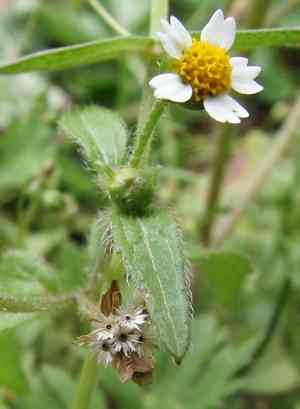
Sticky florestina thrives when relocated during its active development phase, specifically from early to late spring, as this period facilitates optimal acclimation. Select a brightly lit spot featuring soil that drains effectively to guarantee robust rooting. Adhere to these guidelines for the best outcome.
Essential Preparations Before Relocating Sticky Florestina
Optimal Period for Moving Sticky Florestina?
Relocate sticky florestina during its peak season, from early to late spring, when conditions are ideal for development. This timeframe allows the annual to establish its root system prior to summer heat, ensuring vigorous growth. Spring transplantation maximizes nutrient absorption, boosts growth, and enhances the plant's resilience, leading to a healthier, more vibrant display.
Recommended Spacing Between Sticky Florestina Plants?
When moving sticky florestina, ensure a distance of 18-24 inches (45-60 cm) between each specimen. This provides ample room for expansion and air circulation, helping to prevent disease and encourage robust development.
Ideal Soil Blend for Sticky Florestina Relocation?
For sticky florestina, prepare well-draining soil enriched with organic compost. The soil should be light and fertile. Before transplanting, incorporate a balanced base fertilizer to give the plants a strong start.
Optimal New Location for Your Sticky Florestina?
Sticky florestina thrives in full sun, so select a spot where the plant will receive at least 6-8 hours of direct sunlight daily. Also, ensure the area is sheltered from strong winds to protect the young plants from harm.
Tools Required Before Moving Sticky Florestina?
Gardening Gloves
To safeguard your hands while handling soil and plants.
Spade/Shovel
For digging and extracting the plant from its original spot.
Hand Trowel
To assist in loosening the soil around the plant's root system.
Watering Can/Hose
To hydrate the plant before and after its relocation.
Bucket/Tub
To transport the plant if it needs to be moved a certain distance.
Mulch
To cover the soil surrounding the plant post-transplantation.
How to Extract Sticky Florestina from the Ground?
How to Extract Sticky Florestina from the Ground?
From Ground: Moisten the sticky florestina plant to dampen the soil. Dig a wide trench around the plant using a shovel or spade, ensuring the plant's root ball remains intact. Carefully work the spade beneath the root ball to lift the plant from its initial position.From Pot: Water the sticky florestina in its container. Gently tap the pot's sides to loosen the soil. Tilt the pot and carefully slide the plant out while supporting the root ball with your hand.From Seedling Tray: Water the seedling tray to ensure the soil is moist. Use a hand trowel to carefully lift the seedlings, making sure to retain as much soil around the roots as possible.
Detailed Guide for Relocating Sticky Florestina
Prepare the Site
Select a suitable location and prepare the planting area by loosening the soil. Ensure the area is clear of weeds and debris.
Excavate the Hole
Dig a hole that is twice as wide and the same depth as the root ball of the sticky florestina.
Position the Plant
Place the sticky florestina in the center of the hole, ensuring the root ball is level with the ground surface.
Backfill the Hole
Refill the hole with soil, gently firming it around the root ball. Be careful not to cover the stem or crown of the plant.
Water Thoroughly
Water the plant extensively to help settle the soil and remove air pockets.
Apply Mulch
Spread a layer of mulch around the base of the sticky florestina, leaving space around the stem to prevent rot.
Post-Transplantation Care for Sticky Florestina?
Watering
Maintain consistent moisture in the soil around the sticky florestina, avoiding sogginess, for the initial weeks after relocation to aid in root establishment.
Monitoring
Regularly inspect the plant for signs of distress such as wilting or yellowing leaves. Provide additional water or shade as necessary.
Weeding
Keep the area surrounding the sticky florestina free of weeds to minimize competition for nutrients and water.
Support
If needed, provide support for the sticky florestina using stakes or ties, especially if the plant is tall or in a windy location.
Resolving Common Issues with Sticky Florestina Relocation.
What's the best season to move sticky florestina?
Relocate sticky florestina from early to late spring for optimal growth and survival rates.
How far apart should I space sticky florestina plants?
Space sticky florestina plants 18-24 inches (45-60 cm) apart to ensure proper growth and air circulation.
What soil type is ideal for sticky florestina?
Sticky florestina thrives in well-draining, sandy or loamy soil with a neutral to slightly acidic pH.
Should I water sticky florestina immediately after transplanting?
Yes, water sticky florestina thoroughly right after relocation to help settle the soil around the roots.
How much sunlight does sticky florestina need?
Sticky florestina requires full sunlight, receiving at least 6-8 hours of direct light daily.
How deep should I plant sticky florestina?
Plant sticky florestina at the same depth it was previously growing to avoid stress or damage.
Do I need to fertilize sticky florestina after transplanting?
Use a balanced fertilizer after a few weeks to support sticky florestina's new growth and root establishment.
What should I do if sticky florestina appears wilted after transplanting?
Ensure proper watering and shading, but avoid overwatering. Wilting may be transplant shock, which should resolve itself.
Can I transplant sticky florestina on a windy day?
Avoid relocating sticky florestina on windy days to reduce stress and prevent drying out of the roots.
Should I trim sticky florestina before transplanting?
Yes, trimming damaged or extra long roots can help sticky florestina adjust better and focus on new growth.



