How to Propagate Sticky florestina?
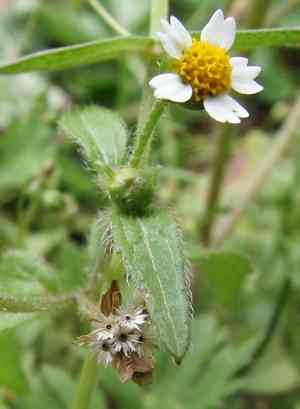
Sticky florestina, a species within the Asteraceae family, flourishes when reproduced via seeding. For optimal development, employ a growing medium that drains effectively and ensure steady hydration following planting. Positioning in a brightly lit location boosts the success rate of germination. Careful handling of the fragile young plants is essential to avoid harm during relocation. Consistent irrigation and periodic nutrient application after sprouting foster vigorous growth.
Optimal Period for Propagating Sticky Florestina?
Propagation Method
Seeding
Propagation Period
Spring
Equipment Utilized in Sticky Florestina Propagation?
Seed trays
Seed trays are crucial for initiating sticky florestina from seeds. They facilitate uniform spacing and sufficient soil depth, boosting the germination rate. Small compartments aid in maintaining ideal soil moisture and temperature, vital for sticky florestina's seed sprouting.
Potting mix
A premium, well-draining potting mix is advised for sowing sticky florestina seeds. The mixture should be light and retain water effectively yet provide ample drainage to prevent waterlogging, which is essential for sticky florestina's root health during its initial growth phases.
Misting bottle
A misting bottle is employed to gently irrigate sticky florestina seeds without disturbing them. Consistent misting helps maintain optimal humidity around the seeds, crucial for successful germination and preventing soil desiccation.
Grow lights
If propagating sticky florestina indoors or in suboptimal light, grow lights can supply the necessary light spectrum to support seedling growth. This mimics natural sunlight, fostering healthier, more uniformly developed plants from the outset.
Heating mat
A heating mat can be used to keep the soil at a steady temperature, which is particularly advantageous for sticky florestina seed germination. Consistent warmth is key to improving the germination rate and speed, especially in cooler climates or during cold seasons.
How to Propagate Sticky Florestina?
Propagation Type
Simple
Post-Propagation Care for Your Sticky Florestina?
Post-Propagation Care for Your Sticky Florestina?
Following propagation, continue to water sticky florestina consistently, especially during dry periods, to maintain uniformly moist soil. Apply a layer of mulch around the plants to conserve soil moisture and suppress weeds. Fertilize lightly in the spring with a balanced fertilizer to encourage growth. As sticky florestina matures, it might need staking or support if it becomes too tall and top-heavy. Regularly inspect for pests and diseases, and treat as necessary to keep sticky florestina healthy.
Common Errors to Avoid When Propagating Sticky Florestina
Overwatering
Excessive watering can cause root rot in sticky florestina, which thrives in well-draining soil. Too much water restricts oxygen to the roots, compromising plant vitality.
Using unsterilized tools
Unsterilized cutting instruments can introduce diseases to sticky florestina during propagation. This can severely hinder the plant's ability to establish and grow robustly.
Inadequate light
Propagating sticky florestina in low light conditions can result in weak, elongated growth. This can impede the development of a strong plant capable of flourishing outdoors.
Ignoring pest control
Failing to inspect and treat cuttings or seedlings for pests can lead to infestations that weaken or kill young sticky florestina plants.
Advice for Propagating Sticky Florestina
Soil selection
Utilizing a well-draining soil mix helps prevent moisture-related problems and supports the healthy development of sticky florestina's roots.
Tool sterilization
Sterilize all propagation tools before use to prevent disease transmission to sticky florestina. This ensures healthy growth from the beginning.
Adequate lighting
Provide bright, indirect light for sticky florestina's cuttings to encourage strong, healthy development. This light level mimics the natural conditions where sticky florestina thrives.
Regular pest inspections
Regularly inspecting sticky florestina during the initial stages of propagation for pests will help in taking timely action to prevent infestations.



