How to Prune Sticky florestina?
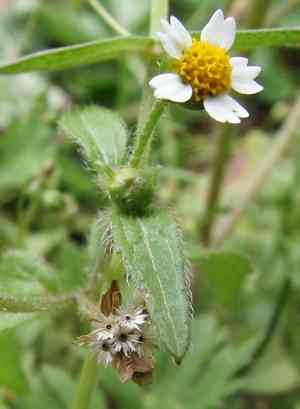
Sticky florestina, a resilient perennial recognized for its adhesive feel and three-lobed foliage, greatly thrives with appropriate trimming. Perform pruning in Spring, Summer, or Autumn to preserve its form and stimulate development. Prioritize the elimination of lifeless or ailing stalks to foster vigorous leaves. This action not only encourages fresh growth but also improves air movement and light exposure throughout the plant, which is vital for its strength. Trimming during these ideal times guarantees sticky florestina stays lively and neatly formed.
What Are the Benefits of Pruning Sticky Florestina?
What Are the Benefits of Pruning Sticky Florestina?
Trimming sticky florestina is crucial for maintaining its compact form and encouraging robust development. Regular cutting helps control its size and fosters a denser, healthier leaf structure.
What Is the Best Time for Pruning Sticky Florestina?
What Is the Best Time for Pruning Sticky Florestina?
Spring pruning of sticky florestina is advantageous as it prepares the plant for new growth by eliminating old, dead, or weak stems, thereby promoting healthier and more vigorous development. Summer pruning adjusts the plant's shape and manages its size, ensuring good air circulation and sunlight penetration, which are vital for the plant's health and growth. Fall pruning involves the removal of any remaining dead or diseased foliage, reducing the risk of infections and preparing sticky florestina for winter by focusing its energy on root and core development rather than maintaining unnecessary foliage.
What Tools Do I Need to Prune Sticky Florestina?
Hand Pruners
Perfect for making precise cuts on the smaller, thinner stems of sticky florestina. These tools enable accurate snipping, essential for preserving the plantâs shape and removing dead or damaged foliage without causing undue harm to the plant.
Pruning Shears
Suitable for slightly thicker stems and branches, providing clean and sharp cuts that promote healthy growth and recovery in sticky florestina.
Loppers
Useful for reaching deeper into or higher up the plant, making it easier to trim thicker branches that cannot be handled by pruners or shears. Ensure loppers are sharp to prevent tearing and to promote healthy regrowth of sticky florestina.
How to Prune Sticky Florestina
Identify
Locate withered or dead leaves on sticky florestina. These typically appear dry, discolored, and lack their usual vibrancy or health.
Prepare
Ready your pruning tools. Use sharp, clean scissors or pruning shears to ensure a precise cut that will help prevent damage to the remaining healthy parts of sticky florestina.
Cut
Carefully snip the withered leaves at their base where they connect to the stem. Ensure cuts are accurate and avoid tearing, which can create unnecessary stress on sticky florestina.
Dispose
Properly discard the removed leaves to prevent any potential diseases from spreading in your garden area. Do not compost diseased or pest-infested plant material.
Clean
Sanitize your tools after completing the pruning process. This reduces the risk of spreading any pathogens to other plants in your garden.
Common Pruning Mistakes with Sticky Florestina
Over-pruning
Many gardeners, especially novices, might remove too much foliage from sticky florestina, believing it will encourage new growth. This can stress the plant, leading to a reduction in overall health and vigor.
Cutting too close
Cutting branches or stems too close to the main trunk can damage sticky florestina's natural protective barriers, making it susceptible to diseases and pests.
Ignoring dead or diseased wood
Failure to remove dead, diseased, or damaged wood can hinder sticky florestina from thriving, as these can sap energy from healthier parts and spread disease.
Improper tool use
Using dull or dirty pruning tools can create jagged cuts that are difficult for sticky florestina to heal over, opening avenues for infection.
Common Pruning Tips for Sticky Florestina
Clean cuts
Make clean cuts on sticky florestina's stems to promote quick healing. Use sharp, well-maintained pruning shears.
Thin out
Thin out dense areas of sticky florestina's foliage to increase air circulation and light penetration throughout the plant, which helps prevent disease and fosters a healthier growth pattern.
Shape maintenance
Maintain the natural shape of sticky florestina while pruning. Over-structuring or excessive shaping can stifle its natural growth tendencies.
Rejuvenation pruning
Perform rejuvenation pruning periodically by selectively removing older stems to encourage growth of new shoots and flowers from the base or the interior of sticky florestina.



