How to Transplant Filifolium sibiricum?
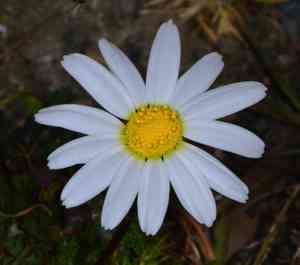
To achieve peak development, relocate filifolium sibiricum between the melting period of early spring and the milder conditions of late spring, a duration perfect for roots to take hold. Select a bright location with soil that drains effectively to foster vigorous growth. Careful handling guarantees flourishing results.
What Preparations are Needed Before Transplanting Filifolium Sibiricum?
What is the Ideal Time for Transplanting Filifolium Sibiricum?
The optimal period to move filifolium sibiricum is from early spring's awakening until the start of early summer, fostering its development with mild temperatures. Relocating filifolium sibiricum then capitalizes on increasing daylight and moderate weather, providing a stable setting for root establishment. Helpful tip: this favorable window for transplanting prepares filifolium sibiricum for a flourishing season, as roots settle comfortably before summer's heat.
How Much Space Should You Leave Between Filifolium Sibiricum Plants?
When planning a spot for your filifolium sibiricum, remember they require their own area! Aim to space them approximately 15-18 inches (38-46 cm) apart. This allows each plant ample room to thrive and display its beauty!
What is the Best Soil Mix for Filifolium Sibiricum Transplanting?
Your filifolium sibiricum will flourish in well-draining soil rich in organic matter. Before planting, incorporate some compost or a balanced, slow-release fertilizer to give them a nourishing start. Consider it a hearty meal for your plants!
Where Should You Relocate Your Filifolium Sibiricum?
Choose a sunny location for your filifolium sibiricum as they love sunlight! A spot that gets full to partial sun (6-8 hours of direct sunlight daily) will make them happiest. This will help them grow robustly and produce the most blooms.
What Equipments Should You Prepare Before Transplantation Filifolium Sibiricum?
Gardening Gloves
To safeguard your hands while handling soil and plants.
Shovel or Spade
For excavating and lifting the filifolium sibiricum plant's root ball.
Gardening Fork
To loosen the soil surrounding the filifolium sibiricum plant prior to removal.
Watering Can
To moisten the soil before and after relocating the filifolium sibiricum plant.
Pruning Shears
To trim any damaged roots or foliage if necessary.
Wheelbarrow
To transport the filifolium sibiricum plant and soil to and from the new planting site.
Mulch
To help retain soil moisture and regulate temperature post-transplanting.
How Do You Remove Filifolium Sibiricum from the Soil?
How Do You Remove Filifolium Sibiricum from the Soil?
From Ground: First, hydrate the filifolium sibiricum plant to moisten the soil. Then, use a gardening fork to loosen the soil around the plant. Once loose, dig a wide trench around the plant with a shovel or spade, ensuring to stay several inches away from the main stem to protect the root ball. Carefully slide the spade beneath the root ball and gently lift the filifolium sibiricum plant from the ground.From Pot: Water the filifolium sibiricum plant to make the soil damp and easier to manage. Turn the pot on its side and tap the bottom to dislodge the soil. Grasp the base of the filifolium sibiricum plant and gently ease the plant out while supporting the root ball to prevent breakage.From Seedling Tray: Moisten the soil in the tray to facilitate the removal of the filifolium sibiricum plant. Use a small tool or stick to gently push the individual filifolium sibiricum plant out by pressing up from the bottom of the cell, taking care not to harm the roots.
Step-by-Step Guide for Transplanting Filifolium Sibiricum
Preparation
Gather all necessary tools and confirm the new planting site is ready for the filifolium sibiricum plant. Verify for any garden utilities or obstructions.
Removal
Carefully extract the filifolium sibiricum plant from its current spot using the appropriate method detailed in the removal section.
Transplanting Hole
At the chosen location, excavate a hole that is twice as wide and the same depth as the filifolium sibiricum plant's root ball. This provides ample space for root expansion.
Placing the Plant
Gently position the filifolium sibiricum plant in the center of the hole. The top of the root ball should be level with the surrounding soil surface. Backfill the hole with soil, gently firming it down around the roots.
Watering
After planting, thoroughly water the filifolium sibiricum to settle the soil and eliminate air pockets. Be careful not to flood the plant, just ensure the soil is uniformly moist.
Mulching
Apply a layer of mulch around the base of the filifolium sibiricum plant to conserve moisture and help regulate soil temperature, maintaining a small gap between the mulch and the plant's main stem.
How Do You Care For Filifolium Sibiricum After Transplanting?
Initial Watering
Water the filifolium sibiricum regularly to maintain consistent soil moisture, being careful not to overwater. Allow the soil to dry slightly between watering sessions.
Monitoring Growth
Observe for signs of stress such as wilting or discolored leaves, which may indicate a need for care adjustments.
Pruning
Remove any dead or damaged foliage to encourage healthy growth and a well-formed filifolium sibiricum plant.
Staking
If the filifolium sibiricum plant is tall or appears unstable, provide support stakes to help it withstand wind and promote an upright growth habit.
Long-Term Care
Note that over time, the filifolium sibiricum plant may require additional care such as thinning, dividing, or further soil amendments to thrive.
Troubleshooting Common Issues with Filifolium Sibiricum Transplantation.
When's the best time to transplant filifolium sibiricum for optimal growth?
Aim for early to late spring, when the soil is workable and frost has passed.
How far apart should I space filifolium sibiricum when transplanting?
Position plants approximately 15-18 inches (38-45 cm) apart, to give each enough room to flourish.
What's the ideal soil type for transplanting filifolium sibiricum?
Ensure well-draining soil rich in organic matter, which promotes healthy root development.
How deep should the hole be for transplanting filifolium sibiricum?
Dig a hole twice the width and the same depth as the root ball, to encourage growth.
Should I water filifolium sibiricum immediately after transplanting?
Yes, give a thorough watering to settle the soil and eliminate air pockets around the roots.
How do I prepare filifolium sibiricum for transplanting?
Gently tease out the roots and trim any that are broken or damaged before planting.
Can filifolium sibiricum be transplanted on a sunny day?
Overcast days are best to prevent immediate sun exposure, which can stress the transplanted filifolium sibiricum.
What should I do if filifolium sibiricum wilts after transplanting?
Provide shade and keep the soil moist. Wilt should improve as the plant establishes itself.
How can I minimize transplant shock for filifolium sibiricum?
Water the plant well before lifting it and after placing it in its new location.
Is it necessary to fertilize filifolium sibiricum after transplanting?
Wait 4-6 weeks before fertilizing to allow filifolium sibiricum to settle in without forcing top growth.



