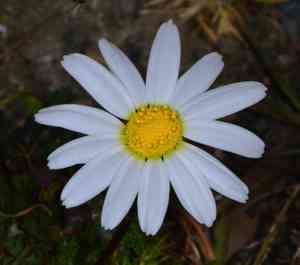
Filifolium sibiricum (Filifolium sibiricum)
Also known as: None
Filifolium sibiricum thrives in poor, dry soils that mimic its native Siberian environment. This hardy plant prefers full sun to partial shade and well-drained conditions. It is particularly suitable for gardens frequented by deer, as they tend to avoid its slender, aromatic foliage. This deer-resistant quality makes it a practical choice for minimizing garden damage.
In This Article
Attributes of Filifolium sibiricum
Lifespan
Perennial
Plant Type
Herb
Plant Height
20 cm to 60 cm
Spread
10-20 cm
Leaf Color
Green
Flower Size
2-3 cm
Flower Color
Yellow
Images of Filifolium sibiricum
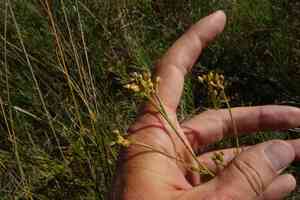
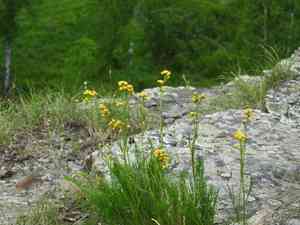
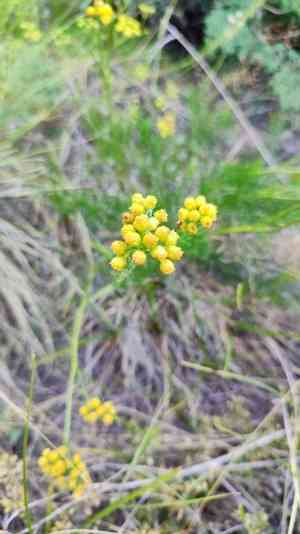
Quickly Identify Filifolium sibiricum
1
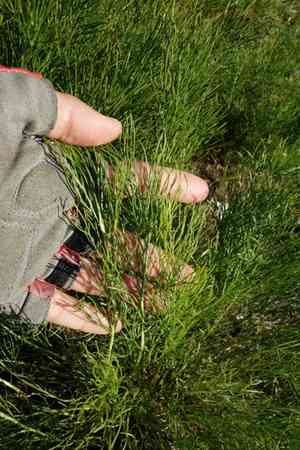
Filifolium sibiricum can be identified by its finely divided leaves that resemble threads, hence the name threadleaf. The plant also features yellow blooms that appear during the flowering season.
Scientific Classification of Filifolium sibiricum
Phylum
Vascular plants
Class
Dicotyledons
Order
Asterales
Family
Daisy
Genus
Filifolium
Species
Filifolium sibiricum
Planting and Growing of Filifolium sibiricum
Care Difficulty
Easy
Watering Schedule
Every 3 days
Sunlight Requirements
Partial sun
Sunshine Duration
4-8 hours
Ideal Temperature
60-75℉
Soil Type
Potting Mix, Peat Mix
Soil pH
6.5-7.5
Fertilizer Type
Balanced
Pruning Season
Spring, Summer
Pruning Area
Branches, Leaves
Pruning Frequency
2 times a year
Repotting Season
Spring
Pot Type
Terracotta, Plastic
 How to Water Filifolium sibiricum?
When watering Filifolium sibiricum, aim to provide around 250 milliliters each time. This amount ensures the soil is adequately moistened without becoming waterlogged. Allow the top inch of the soil to dry out before watering again, which helps mimic the plant's natural habitat conditions and prevents root rot.
What are the symptoms of an underwatered Filifolium sibiricum?
›
What should I do if my Filifolium sibiricum is not getting enough water?
›
What are the symptoms of an overwatered Filifolium sibiricum?
›
How to save an overwatered Filifolium sibiricum?
›
 What Are the Sunlight Requirements for Filifolium sibiricum?
Partial sun is optimal, providing just enough light without overwhelming heat. Ensuring 4-6 hours of moderated sunlight helps maintain vibrant foliage and supports blooming.
What is the best light condition for Filifolium sibiricum?
›
How can I adjust the lighting for better growth?
›
What are the benefits of ideal lighting for this plant?
›
 What Is the Ideal Temperature Range for Filifolium sibiricum?
Filifolium sibiricum thrives best in temperatures between 60°F and 75°F. This range ensures optimal growth and development, offering the plant a balanced environment that mimics its natural habitat, where moderate but stable warmth prevails. Maintaining this temperature reduces stress and encourages vigor.
 What Soil is Best for Filifolium sibiricum?
Filifolium sibiricum thrives in well-draining soil, which prevents waterlogging and root rot. This type of soil ensures optimal aeration and provides a stable environment for roots to uptake nutrients effectively. This plant benefits from soil with moderate fertility. Rich in organic matter, the soil should have enough nutrients to support healthy growth without risking nutrient burn, which often occurs in overly fertile soils. The soil pH range of 6.5 to 7.5 is ideal for Filifolium sibiricum. This range allows for the best nutrient availability and overall plant health, avoiding the yellowing of leaves that can occur in soils with pH imbalances.
 How to Fertilize Filifolium sibiricum?
For Filifolium sibiricum, apply liquid fertilizer at a concentration of 50% of the recommended rate to avoid over-fertilization. Solid fertilizer should be used sparingly, typically around half a tablespoon per application for a medium-sized pot.
 How to Prune Filifolium sibiricum?
Ensure you have clean and sharp pruning shears. This minimizes damage to the plant and reduces the risk of disease transmission. Disinfect tools before and after use, especially if you're working with multiple plants. Start by removing any dead or wilted leaves to enhance overall plant health. Trim overgrown branches to retain the desired shape. Cut back to a healthy bud to encourage new growth. Always cut at a slight angle to promote water runoff. Focus on the plant's natural shape when pruning. For a bushier appearance, cut just above a node where leaves meet the stem. Regular trimming keeps the plant looking neat and vibrant while preventing it from becoming too leggy.
More About Pruning Techniques→
 How to Propagate Filifolium sibiricum plant?
1
Begin by preparing a seed tray with a well-draining potting mix. Scatter the seeds evenly across the surface and lightly cover with a thin layer of compost. Water gently to avoid dislodging seeds. Maintain a warm, moderate light condition to encourage germination, which typically happens within a few weeks.
2
For taking cuttings, choose a healthy, non-flowering stem. Make a clean cut just below a leaf node using sharp pruning shears. Remove the leaves from the lower half of the cutting to reduce water loss and plant the cutting in a pot filled with a moist, well-draining potting mix.
3
To propagate by division, carefully dig up the plant to be divided. Use a sharp knife or spade to split the root ball into sections, ensuring each section has roots attached. Replant the sections in suitable locations with prepared soil, water thoroughly to settle the soil around roots.
 How to Repot Filifolium sibiricum plant?
1
Filifolium sibiricum shows signs of needing repotting when its roots begin to emerge from the drainage holes or the growth seems stunted. The best time to repot is during its active growing phases, either in the spring or autumn. This timing allows the plant to establish itself in its new potting environment before entering stressful weather conditions.
2
When selecting a pot for Filifolium sibiricum, it should be slightly larger than the current one, ideally 1-2 inches wider. This extra space allows room for growth and helps prevent root binding. A pot with adequate drainage holes is essential to avoid waterlogging, which can lead to root rot.
3
Opt for a well-draining loamy soil mix when repotting. A mix that retains moisture while ensuring good aeration helps maintain root health and promotes strong growth. The right soil composition prevents soggy conditions, ensuring the roots get enough oxygen and nutrients.
Learn More About Filifolium sibiricum Diseases
Anthracnose
Bacterial Leaf Spot
Bacterial Soft Rot
Bacterial Wilt
Black Spot
Chemical Injury
Crown Gall
Cyst Nematode
Damping-off
Downy Mildew
Drought Stress
Fusarium Wilt
Gray Mold
Leaf Curl
Leaf Spot
Mosaic
Nutrient Deficiency
Nutrient Toxicity
Powdery Mildew
Root Rot
Root-knot Nematode
Rusts
Sooty Mold
Spider Mites
Temperature Stress
Thrips Damage
White Mold



