How to Prune Filifolium sibiricum?
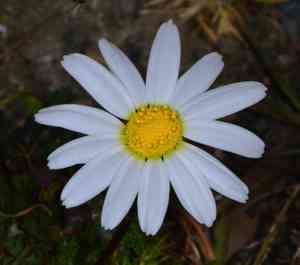
Originating from Siberia, filifolium sibiricum is recognized for its slender, needle-like leaves. Perform pruning in spring or early summer to sculpt and preserve the plant's well-being. Consistent trimming fosters compact development, and removing faded blossoms enhances visual appeal and stimulates further flowering. Refrain from pruning late in the season, as this could impede its readiness for frost. Strategic pruning benefits filifolium sibiricum by reducing the likelihood of illness and boosting its vitality.
What Are the Benefits of Pruning Filifolium Sibiricum?
What Are the Benefits of Pruning Filifolium Sibiricum?
Trimming filifolium sibiricum promotes vigorous development and helps maintain its desired form. Strategic cuts improve energy distribution and foster a robust, healthy structure, leading to a more attractive appearance.
What Is the Best Time for Pruning Filifolium Sibiricum?
What Is the Best Time for Pruning Filifolium Sibiricum?
Pruning during Spring is ideal for filifolium sibiricum as this is the time just before the new growth begins, allowing the plant to heal from cuts without sacrificing vital energy it needs for developing new shoots and leaves. Pruning in early Summer is also suitable as it follows the initial surge of Spring growth, giving gardeners the chance to shape the plant and manage its size. During this period, it's less likely to cause stress to filifolium sibiricum since it is not in its dormant phase or its most vigorous growing phase. Avoiding pruning in late Summer prevents the new growth from being too tender before the onset of colder temperatures, which could damage the plant. The specified seasons ensure that filifolium sibiricum can sustain healthy growth and vitality, and maintain its flowering or fruiting capabilities without interruption.
What Tools Do I Need to Prune Filifolium Sibiricum?
Hand Pruners
For trimming back dead or overgrown stems of filifolium sibiricum, hand pruners are ideal as they provide precision cutting and can easily maneuver through its delicate foliage without causing unnecessary damage to the plant.
Shears
If filifolium sibiricum has formed a dense mat, shears can be useful for shaping and maintaining an even surface. Their long blades allow for straight, clean cuts across larger areas.
Pruning Saw
Though not commonly required for filifolium sibiricum, a pruning saw might be necessary if there are older, woodier stems that need removal. The saw can handle thicker stems that hand pruners cannot cut through.
How to Prune Filifolium Sibiricum
Clean tools
Before beginning, ensure all pruning tools are clean and sharp. This prevents the spread of diseases and allows for precise cuts on filifolium sibiricum.
Remove diseased leaves
Identify and remove any diseased leaves from filifolium sibiricum by cutting at the base of the leaf stalk, being careful to avoid damaging healthy tissue.
Remove withered leaves
Prune withered leaves by cutting them off at the base where they join the stem or leaf stalk to improve the overall health and appearance of filifolium sibiricum.
Cut diseased stems
For diseased stems, make cuts at least a few inches below the affected area on filifolium sibiricum, ensuring you remove the entire diseased portion to prevent further infection.
Dispose of trimmed material
Dispose of all trimmed diseased and dead material away from filifolium sibiricum and other healthy plants to prevent any potential spread of disease.
Common Pruning Mistakes with Filifolium Sibiricum
Overpruning
Removing too much foliage from filifolium sibiricum at once can stress the plant, leading to reduced vigor and potential dieback.
Improper cut locations
Pruning filifolium sibiricum without regard to natural growth patterns and node locations can cause improper healing and encourage disease.
Using dull tools
Utilizing dull pruning tools can cause jagged cuts that harm filifolium sibiricum, making it more susceptible to pests and diseases.
Neglecting sanitation
Failing to sanitize pruning tools before use on filifolium sibiricum can spread diseases from plant to plant.
Pruning without a plan
Randomly cutting filifolium sibiricum without a clear goal or understanding of the plant's growth can result in an unbalanced shape and weakened health.
Ignoring plant health
Pruning filifolium sibiricum when it is unhealthy or stressed may exacerbate issues rather than improve the plant's condition.
Removing too much old wood
Cutting away too much of filifolium sibiricum's old wood can reduce its flowering potential, as some plants bloom on last year's growth.
Common Pruning Tips for Filifolium Sibiricum
Sharp clean tools
Use sharp, clean pruning shears to make clean cuts on filifolium sibiricum, which will heal more quickly and reduce the risk of disease.
Cutting angles
Make pruning cuts at a 45-degree angle just above a bud facing the outside of filifolium sibiricum to encourage outward growth and prevent water accumulation on the cut surface.
Prune for shape and health
Prune filifolium sibiricum to maintain its natural shape and improve air circulation, which can reduce the likelihood of fungal diseases.
Remove damaged limbs
Regularly inspect and remove any dead, damaged, or diseased branches from filifolium sibiricum to promote healthy growth and reduce the spread of problems.
Thin out dense areas
Thin out crowded areas on filifolium sibiricum to improve light penetration and air flow, which can lead to more robust growth and bloom.
Gradual pruning
For an extensive pruning on filifolium sibiricum, it's better to space out the work over several seasons instead of doing it all at once to reduce plant stress.
Post pruning care
After pruning filifolium sibiricum, make sure to provide adequate water, and consider applying a balanced fertilizer to support recovery and growth.



