How to Transplant Rough fescue?
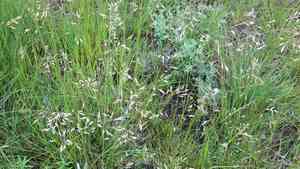
Rough fescue flourishes when relocated during the vigorous growing season of late spring through early summer. Select a bright location with soil that drains effectively. Provide steady hydration initially for optimal rooting. Enjoy your gardening endeavors!
Necessary Preparations Before Moving Rough Fescue?
Optimal Timing for Relocating Rough Fescue?
For rough fescue, the best period for relocation is 'late spring to early summer.' This timing allows the plant to establish its root system under favorable growing conditions. Transplanting at this point helps rough fescue by reducing transplant stress and maximizing establishment before the intensity of mid-summer heat, leading to strong development and survival.
Recommended Spacing Between Rough Fescue Plants?
When transplanting rough fescue, position each plant 18-24 inches (45-60 cm) apart. This provides ample room for their growth and expansion.
Best Soil Blend for Rough Fescue Relocation?
Prepare soil that drains well and is rich in organic material. A foundational fertilizer with a balanced N-P-K ratio, such as 10-10-10, will support rough fescue's development. Ensure the soil and fertilizer are thoroughly mixed before planting.
Ideal New Location for Your Rough Fescue?
Rough fescue flourishes in full sun, so select a spot that receives at least 6-8 hours of direct sunlight daily. This will aid in the plant's robust and healthy growth.
Equipment Needed Before Transplanting Rough Fescue?
Gardening Gloves
To safeguard your hands while handling soil and plants.
Trowel
For digging small holes and loosening the plant's root mass.
Spade or Shovel
To excavate larger trenches or holes when extracting or relocating the plant.
Watering Can or Hose
To hydrate the plants both before and after their relocation.
Garden Fork
To break up and aerate the soil in the new planting area.
Bucket or Container
To move the plant without harming its root ball.
Mulch
To help maintain soil moisture and regulate temperature around the plant after transplanting.
How to Extract Rough Fescue from the Ground?
How to Extract Rough Fescue from the Ground?
From Ground: First, moisten the rough fescue plant to dampen the soil. Next, dig a wide trench around the plant using a spade or shovel, ensuring the plant's root ball remains intact. Carefully work the spade beneath the root ball to lift the plant from its original spot.From Pot: Gently tap the sides and bottom of the pot to loosen the soil. Hold the plant by its base and tilt the pot sideways, easing the plant out. Be careful to keep the root ball whole.From Seedling Tray: Use a trowel or your fingers to gently loosen the soil around the seedling. Hold the base of the seedling and carefully lift it out, ensuring the root system is undamaged.
Detailed Steps for Transplanting Rough Fescue
Preparation
Ensure the new location is properly prepared with well-aerated soil. Use a garden fork to loosen the soil and remove any weeds.
Digging Hole
Excavate a hole in the new spot that is twice the width of the rough fescue's root ball and of the same depth.
Placing Plant
Position the rough fescue plant in the hole so that the top of the root ball is level with the surrounding ground. Backfill the hole with the removed soil, gently pressing it down to eliminate air pockets.
Watering
Immediately water the rough fescue plant thoroughly to help settle the soil around its roots.
Applying Mulch
Spread a layer of mulch around the base of the plant to help retain moisture and regulate soil temperature.
Post-Transplant Care for Rough Fescue?
Watering
Keep the soil around the rough fescue consistently moist, but not waterlogged, for the initial weeks after transplanting to aid in developing strong roots.
Monitoring
Regularly inspect the plant for any indications of stress or transplant shock, such as wilting or yellowing leaves, and adjust watering or placement as needed.
Mulching
Add fresh mulch as necessary to maintain adequate coverage around the plant's base.
Pruning
Remove any dead or damaged foliage to encourage new growth and reduce stress on the transplanted rough fescue.
Protection
Shield the rough fescue plant from extreme temperatures or harsh weather conditions by using garden covers or providing shade.
Resolving Common Issues with Rough Fescue Transplantation.
What is the best season for transplanting rough fescue?
The optimal time to transplant rough fescue is from late spring to mid-summer.
How much space should I allow between each rough fescue plant?
Space each rough fescue plant 18-24 inches (45-60 cm) apart for ideal growth.
How can I prepare the soil before transplanting rough fescue?
Ensure the soil is well-draining and enriched with organic matter for successful transplantation.
What should I do if rough fescue shows signs of wilting after transplanting?
Water the plant thoroughly and provide shade until it recovers from transplant shock.
How deep should I plant rough fescue seedlings?
Plant rough fescue seedlings at the same depth they were previously growing to prevent stress.
What type of soil does rough fescue prefer?
Rough fescue thrives in well-drained soils with moderate fertility and good organic content.
How often should I water rough fescue after transplanting?
Maintain consistent soil moisture, watering deeply but infrequently to encourage root development.
Is mulching necessary for rough fescue after transplanting?
Yes, apply a thin layer of mulch to retain moisture and suppress weeds around rough fescue.
What can I do to prevent pests on newly transplanted rough fescue?
Inspect plants regularly, use organic pesticides if needed, and maintain good sanitation practices.
How should I handle rough fescue roots during transplanting?
Handle roots gently, keeping them moist and intact to avoid damage.



