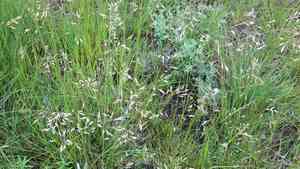
Rough fescue (Festuca campestris)
Also known as: Rough Fescue
Blue Grama (Bouteloua gracilis) is a resilient grass species commonly seen in prairies and open spaces. It features slender, blue-green blades that create a dense, low-lying mat, with its color subtly changing as the seasons progress. Known for its remarkable tolerance to drought and poor soil conditions, Blue Grama is well-adapted to challenging environments. In late spring to early summer, it produces delicate, wispy, purple-tinged seed heads that gracefully rise above the foliage, drawing in numerous pollinators.
In This Article
Attributes of Rough fescue
Lifespan
Perennial
Plant Type
Grass
Plant Height
50-100 cm
Spread
N/A
Leaf Color
Green
Flower Size
Approx. 5-10 mm (spikelets)
Flower Color
Purple to brown
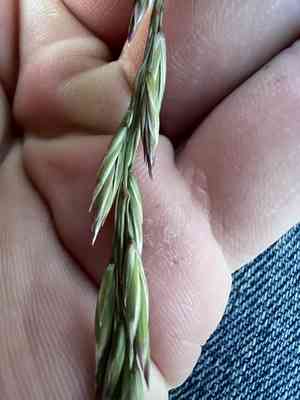
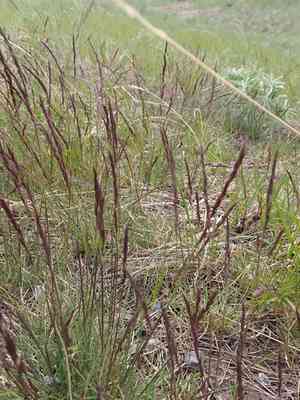
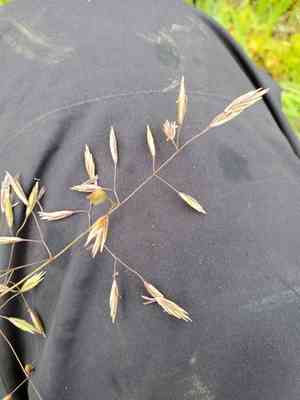
Images of Rough fescue
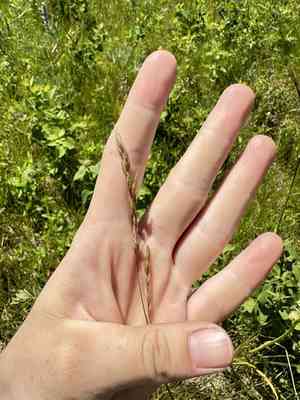
Quickly Identify Rough fescue
1
To identify Festuca campestris, look for its tall, tufted appearance with long, narrow leaves that are rough to the touch. The inflorescence is a loose panicle with small, awned spikelets.
Scientific Classification of Rough fescue
Phylum
Vascular plants
Class
Monocotyledons
Order
Poales
Family
Grass
Genus
Festuca
Species
Rough fescue
Planting and Growing of Rough fescue
Care Difficulty
Easy
Watering Schedule
Every 2 days
Sunlight Requirements
Full sun
Sunshine Duration
6-10 hours
Ideal Temperature
59-77℉
Soil Type
Potting Mix, Peat Mix
Soil pH
6.5-7.5
Fertilizer Type
Balanced
Pruning Season
Spring, Summer
Pruning Area
Branches, Leaves
Pruning Frequency
2 times a year
Repotting Season
Spring
Pot Type
Terracotta, Plastic
 How to Water Rough fescue?
When it comes to watering Festuca campestris, be mindful to maintain a balanced moisture level, aiming to give it about 500 milliliters per session. The goal is to ensure the soil remains moist without becoming waterlogged. Check the top soil layer, ensuring it dries slightly between waterings for optimal root health.
What are the symptoms of an underwatered Rough fescue?
›
What should I do if my Rough fescue is not getting enough water?
›
What are the symptoms of an overwatered Rough fescue?
›
How to save an overwatered Rough fescue?
›
 What Are the Sunlight Requirements for Rough fescue?
Festuca campestris flourishes in full sun, where continuous exposure bolsters its growth, resistance to diseases, and overall hardiness, ensuring a thriving landscape feature.
What is the optimal light condition?
›
Why does it require full sun?
›
How can I achieve these conditions?
›
 What Is the Ideal Temperature Range for Rough fescue?
Festuca campestris thrives best within an optimal temperature range of 59°F to 77°F. This range allows for optimal photosynthesis and growth, giving the plant the necessary warmth without exposing it to extreme conditions that may hinder its development.
 What Soil is Best for Rough fescue?
Festuca campestris thrives in nutrient-rich soil, which provides essential minerals necessary for its growth, resulting in lush and vigorous foliage. Requiring well-draining soil, this plant avoids root rot by keeping excess water away, promoting healthy root development and overall plant vigor. A moderately moisture-retentive soil helps maintain the ideal moisture levels for Festuca campestris, supporting sustained growth and preventing drying out.
 How to Fertilize Rough fescue?
For Festuca campestris, it is essential to apply a balanced fertilizer. When using liquid fertilizer, mix it at a quarter of the recommended strength to avoid burning the plant. Apply enough to moisten the root zone without saturating the soil excessively.
 How to Prune Rough fescue?
Festuca campestris should be pruned to maintain an optimal height of about 10-12 inches. Pruning at this height helps in building a stronger root system and promotes better ground coverage. Though minimal pruning can be conducted year-round, major pruning sessions are best done in spring and summer. This timing ensures the grass can recover quickly and take advantage of the growing season.
 How to Propagate Rough fescue plant?
1
Sow seeds evenly across the surface of a well-draining seed compost. Lightly cover with fine soil or compost, ensuring seeds are not buried too deeply as they need light to germinate.
2
Carefully dig up mature clumps of Festuca campestris in early spring. Use a sharp knife or spade to separate clumps into smaller sections, ensuring each division has roots and shoots.
3
Once seedlings have developed their first true leaves and are large enough to handle, transplant them into individual pots or direct into the garden, ensuring proper spacing for growth.
 How to Repot Rough fescue plant?
1
Festuca campestris shows signs indicating the need for repotting when roots emerge from the drainage holes, or when the plant's growth appears stunted. The ideal time for repotting is in early spring or summer when the plant is actively growing. This allows the grass to adjust better to its new environment and take advantage of the growing season.
2
Select a container that is 1-2 inches larger in diameter than the current one. Ensure it has ample drainage holes to prevent waterlogging, which can cause root rot. A slightly larger pot aids in promoting healthy growth while preventing unwarranted root expansion, maintaining the plant’s vigor and beauty.
3
Choose a well-draining sandy soil mix to mimic the plant's native environment. Such soil prevents water stagnation around the roots. A good soil mix also enhances aeration, ensuring the roots have access to needed oxygen, fostering healthier and lush growth for Festuca campestris.



