How to Propagate Rough fescue?
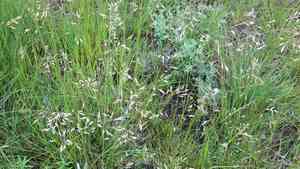
Rough fescue flourishes in porous soils characteristic of meadows and prairies, rendering it a robust option for naturalistic garden designs. To propagate, separate mature clusters and promptly re-establish them to prevent harm to the root system. Confirm they possess sufficient room for root expansion, and irrigate appropriately without waterlogging the ground. These effective measures will aid in fostering vigorous growth and successful establishment.
What Is the Best Time To Propagate Rough Fescue?
Propagation Type
Division
Propagation Season
Spring,Autumn
What Tools Are Used in Rough Fescue Propagation?
Spade or Garden Fork
These implements are crucial for carefully lifting and separating rough fescue clumps. They aid in loosening the soil and gently dividing the plant without causing excessive root damage.
Sharp Knife or Garden Shears
A keen blade or garden shears are essential for making clean cuts through the roots of rough fescue. Clean cuts decrease the risk of disease spread and encourage faster healing and establishment of divisions.
Root Wash Station or Bucket
Utilizing a root wash station or container filled with water assists in cleaning the roots of rough fescue prior to division. This process allows for improved visibility of the root structure, ensuring precise and healthy divisions.
Plant Labels
Plant labels are vital for tracking the newly divided sections of rough fescue. Proper labeling helps in monitoring development, making it simpler to care for the propagules.
Wheelbarrow or Garden Cart
A wheelbarrow or garden cart is beneficial for moving divided sections of rough fescue to their new planting sites. This reduces physical strain and minimizes the chance of harming the divisions during transport.
Rooting Hormone (optional)
While dividing rough fescue typically doesn't necessitate rooting hormone, it can be employed to enhance root development in divided sections, especially if there are concerns about successful establishment.
Shade Cloth or Temporary Shade Structure
Providing temporary shade using shade cloth or structures is critical during the initial period after transplanting. This protection helps rough fescue divisions adapt to their new environment and lessens transplant shock.
Watering Can or Irrigation System
Consistent moisture is key for the successful establishment of rough fescue divisions. A watering can or irrigation system ensures regular and even watering, promoting healthy root development.
How to Propagate Rough Fescue?
Propagation Type
Easy
How to Care for Your Newly Propagated Rough Fescue?
How to Care for Your Newly Propagated Rough Fescue?
After propagating rough fescue, continue to irrigate the new divisions regularly but avoid waterlogging. Monitor the plants for signs of stress, and trim any damaged foliage to encourage healthy growth. Fertilize lightly with a balanced fertilizer to support establishment, and protect the young plants from extreme weather conditions. Regular weeding is important to reduce competition and ensure robust growth.
Common Mistakes to Avoid When Propagating Rough Fescue
Overwatering
Excessive moisture can lead to root rot and fungal diseases, which can severely impact the health and growth of rough fescue.
Insufficient Drainage
Poorly drained soil prevents adequate oxygen from reaching the roots, causing root suffocation and plant stress.
Planting Too Deep
Burying the plant too deeply can inhibit the shoot growth and delay establishment.
Using Poor-Quality Seeds
Non-viable or low-quality seeds reduce germination rates, resulting in fewer and weaker plants.
Neglecting Soil Preparation
Failing to prepare the soil properly can lead to poor nutrient availability and suboptimal growing conditions.
Ignoring Pest Control
Uncontrolled pests can cause significant damage to young plants, leading to stunted growth or plant death.
Tips For Propagating Rough Fescue
Use Well-Drained Soil
Ensuring good drainage will provide the roots with necessary oxygen and prevent waterlogging.
Moderate Watering
Water judiciously to keep the soil moist but not soggy, which helps prevent root diseases.
Proper Seed Depth
Plant seeds at the recommended depth to promote optimal shoot emergence and growth.
Select High-Quality Seeds
Choose seeds from reputable sources to ensure high germination rates and healthy seedlings.
Prepare Soil Thoroughly
Amend the soil with organic matter and ensure it is well-tilled to provide a fertile and friable environment.
Implement Pest Management
Regularly inspect for pests and use appropriate control methods to protect young plants.



