How to Transplant Emory's barrel cactus?
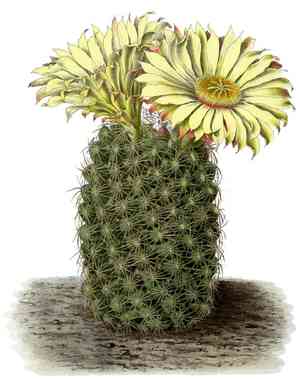
For emory's barrel cactus, the interval from early spring's onset to the brink of summer offers an ideal period for relocation – this schedule facilitates root development in temperate conditions. Select a bright spot with permeable soil to foster robust development. Careful manipulation is crucial to avoid harming the roots.
What Preparations are Needed Before Transplanting Emory's Barrel Cactus?
What is the Ideal Time for Transplanting Emory's Barrel Cactus?
The optimal period for relocating emory's barrel cactus is during the season of new growthâtypically from mid-April to early June. During this timeframe, moderate temperatures and extended daylight hours create an excellent environment that promotes robust root development for emory's barrel cactus, minimizing transplant stress. The mild climate in these months is neither too cold to hinder root growth nor excessively hot to cause undue strain, making it the prime window for transplanting emory's barrel cactus. The advantages include providing your emory's barrel cactus with the best start in its new location with the entire growing season ahead, encouraging vigorous development and a higher chance of survival. A helpful suggestion: Be mindful of your local climate and adjust the timing accordingly, as emory's barrel cactus will flourish with proper care!
How Much Space Should You Leave Between Emory's Barrel Cactus Plants?
When preparing a new home for emory's barrel cactus, ensure each plant has ample room to thrive. Aim for a spacing of approximately 24-36 inches (61-91 cm) between them. This guarantees that each emory's barrel cactus has sufficient space to grow and avoids competition for nutrients!
What is the Best Soil Mix for Emory's Barrel Cactus Transplanting?
For emory's barrel cactus, well-draining soil is essential. Incorporate sand or gravel into your garden soil to replicate their natural environment. Add a slow-release cactus fertilizer to provide them with nourishment and the best start in their new spot. Think 'light and nutrient-rich' for thriving emory's barrel cactus!
Where Should You Relocate Your Emory's Barrel Cactus?
Sunlight is emory's barrel cactus's greatest ally! Select a spot that receives full sun exposure throughout the day. A location that gets at least 6 hours of direct sunlight is perfect. Their affinity for light is as strong as your gardening passionâso let them soak up the sun generously!
What Equipments Should You Prepare Before Transplantation Emory's Barrel Cactus?
Gardening Gloves
To safeguard your hands while handling soil and plants.
Shovel or Garden Spade
For excavating emory's barrel cactus and preparing the new site.
Watering Can
To hydrate emory's barrel cactus before and after relocation.
Wheelbarrow or Plant Dolly
To move emory's barrel cactus from its original spot to the new one, especially if it's a large specimen.
Measuring Tape
To determine the correct depth and width for the new planting hole.
Garden Fork
To assist in loosening soil around emory's barrel cactus if necessary.
How Do You Remove Emory's Barrel Cactus from the Soil?
How Do You Remove Emory's Barrel Cactus from the Soil?
From Ground: First, moisten the soil around emory's barrel cactus to facilitate digging. Then, using a shovel or garden spade, excavate a wide circle around the plant, going deep enough to encompass the root spread. Once sufficiently loose, use the shovel to lift the cactus, ensuring the root ball and as much soil as possible remain intact.From Pot: Water emory's barrel cactus thoroughly and allow it to sit for a few minutes. Gently lay the pot on its side and tap around to dislodge the soil from the edges. Slowly ease emory's barrel cactus out by tilting the pot and catching the plant, or carefully slide it out if it doesn't release easily.From Seedling Tray: Water the tray to dampen the soil and make the seedlings easy to extract. Gently separate the seedlings with a dibber or small tool, taking care not to harm the roots. Handle seedlings by their leaves, not their delicate stems.
Step-by-Step Guide for Transplanting Emory's Barrel Cactus
Preparation
Ensure all necessary tools and equipment are ready and accessible before commencing.
Plant Removal
Follow the appropriate plant extraction method for emory's barrel cactus, whether from the ground, a pot, or a seedling tray. Be gentle to prevent root damage.
Hole Preparation
Dig a hole in the ground where emory's barrel cactus will be replanted. Make sure the hole is twice as wide as the root ball and of the same depth to accommodate the roots without crowding them.
Transplanting
Carefully place emory's barrel cactus into the hole, positioning it so the top of the root ball is level with the surrounding soil. Fill in around the root ball with soil, gently tamping down to eliminate air pockets.
Watering
Water emory's barrel cactus immediately after transplanting to settle the soil and aid in recovery from the move. Provide some shade to the newly transplanted emory's barrel cactus with a shade cloth if exposed to intense sunlight.
How Do You Care For Emory's Barrel Cactus After Transplanting?
Stabilization
Support emory's barrel cactus with stakes if necessary to prevent leaning until it is firmly established.
Monitoring
Regularly inspect emory's barrel cactus for indications of stress, such as discoloration or wilting. Take action like adjusting watering or providing shade as needed.
Pest Management
Watch for any signs of pests or diseases and address them with appropriate organic treatments if required.
Troubleshooting Common Issues with Emory's Barrel Cactus Transplantation.
When's the best time to transplant emory's barrel cactus for optimal growth?
The ideal period to relocate your emory's barrel cactus is from mid-spring to late spring, when the weather is mild.
How far apart should I space emory's barrel cactus when transplanting?
Aim for a spacing of 24-36 inches (61-91 cm) to provide emory's barrel cactus with ample room to thrive.
What's the ideal depth for transplanting emory's barrel cactus?
Excavate a hole as deep as the root ball, but twice as wide, to comfortably accommodate emory's barrel cactus's roots.
Why is my emory's barrel cactus wilting after transplanting?
Wilting may be a symptom of transplant shock. Ensure adequate soil moisture and shield emory's barrel cactus from extreme conditions.
How much sun does emory's barrel cactus need after transplanting?
Post-transplant, emory's barrel cactus should be in a location receiving full sunlight to encourage healthy development.
Should I fertilize emory's barrel cactus immediately after transplanting?
Wait a few weeks before feeding emory's barrel cactus to prevent root burn and allow for acclimatization.
How to water emory's barrel cactus following transplantation?
Water thoroughly after transplanting, then regularly but moderately, to maintain slight soil moisture without waterlogging.
Why are the leaves of emory's barrel cactus turning yellow post-transplant?
Yellowing foliage might indicate overwatering or poor drainage. Adjust irrigation and check soil conditions.
Can emory's barrel cactus be transplanted during flowering period?
Relocating emory's barrel cactus during blooming may stress the plant. It's better to transplant before or after the flowering stage.
How long will it take for emory's barrel cactus to establish post-transplant?
With proper care, emory's barrel cactus should begin to establish within a few weeks, with full recovery in a growing season.



