How to Prune Emory's barrel cactus?
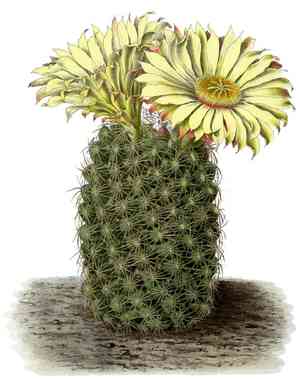
Distinguished by its robust, cylindrical form, this cactus features prominent spines and blossoms shaped like funnels. Trimming should be kept to a minimum, primarily involving the elimination of deceased or compromised spines and the infrequent removal of ailing portions to stimulate development. The most suitable period for pruning emory's barrel cactus is in the winter, during its inactive phase. Pruning improves the plant's aesthetic appeal and guards against potential decay from injured regions, guaranteeing the cactus continues as an impressive desert example.
What Are the Benefits of Pruning Emory's Barrel Cactus?
What Are the Benefits of Pruning Emory's Barrel Cactus?
Trimming emory's barrel cactus promotes vigorous development by eliminating dead or congested growth, enhancing air circulation and light penetration. This boosts the plant's vitality and maintains its compact shape, crucial in confined areas or for aesthetic appeal.
What Is the Best Time for Pruning Emory's Barrel Cactus?
What Is the Best Time for Pruning Emory's Barrel Cactus?
Pruning emory's barrel cactus in late winter to early spring enables the plant to mend and form calluses over cuts more effectively due to the start of its active growth phase. It also reduces the chance of frost damage to fresh wounds, which can be more common if pruning occurs in midwinter. Furthermore, trimming before the growth season begins helps avoid disrupting the flowering or fruiting cycle of emory's barrel cactus, as these cacti typically bloom in late spring to early summer. This timing also lowers the likelihood of infection, as many plant pathogens are less active during cooler months. It's especially important not to prune emory's barrel cactus during its active growing season or when it displays signs of stress from extreme temperatures or drought.
What Tools Do I Need to Prune Emory's Barrel Cactus?
Long-handled Tongs
These enable the gardener to grasp and remove dead or decaying spines and plant material without getting close to the sharp spines of emory's barrel cactus.
Gloves
Heavy-duty gloves, ideally leather, are vital to shield the gardener's hands from emory's barrel cactus's sharp spines while handling the plant.
Pruning Saw
A small, sharp pruning saw is suitable for cutting off dead or diseased sections of emory's barrel cactus. This should only be used when absolutely necessary, as emory's barrel cactus typically requires minimal pruning.
Disinfectant
Applying a disinfectant to pruning tools before and after cutting emory's barrel cactus helps prevent the spread of disease.
How to Prune Emory's Barrel Cactus
Clean Tools
Sanitize pruning shears or a sharp knife with rubbing alcohol or a bleach solution to prevent the spread of disease to emory's barrel cactus.
Identify Parts
Examine emory's barrel cactus closely to identify withered leaves, dead, or diseased branches for removal. Look for discolored, dry, or shriveled sections on the cactus.
Cut Diseased Parts
Using the sterilized tools, carefully and cleanly cut away any diseased branches from emory's barrel cactus, ensuring to remove the entire affected area to prevent the spread of disease.
Remove Dead Parts
Trim off dead or withered leaves from emory's barrel cactus by making a cut close to the main stem. Avoid damaging healthy tissue, which could lead to infections.
Dispose Damage Parts
Properly dispose of diseased, dead, or withered plant parts to prevent recontamination or pest infestation around emory's barrel cactus.
Common Pruning Mistakes with Emory's Barrel Cactus
Over-Pruning
Removing too much of emory's barrel cactus's tissue can stress the plant and lead to poor health or growth. Emory's barrel cactus is a slow-growing species, and excessive removal can do more harm than good.
Using Dull Tools
Pruning emory's barrel cactus with dull or unclean tools can cause unnecessary injury and create jagged cuts that are more susceptible to infection.
Pruning Healthy Tissue
Trimming healthy parts of emory's barrel cactus without reason can stunt its growth. Only prune dead or diseased spines and damaged tissue.
Incorrect Cut Placement
Cutting too close to the main body of emory's barrel cactus may damage the healthy tissue. Conversely, leaving too much of a stub can prevent proper healing.
Common Pruning Tips for Emory's Barrel Cactus
Clean And Sharp Tools
Ensure all pruning tools are clean and sharp before starting. This helps make precise cuts and protects emory's barrel cactus from potential infections.
Protective Gear
Wear gloves and protective clothing. Emory's barrel cactus's spines are sharp and can cause injury.
Minimal Pruning
Understand that emory's barrel cactus requires minimal pruning. Remove only the necessary parts such as dead or damaged spines and tissue.
Post-Pruning Care
After pruning, care for emory's barrel cactus by providing appropriate water and making sure the plant is not stressed. If cutting into the tissue, apply a fungicide to prevent infection.



