How to Transplant Sticky fagonbush?
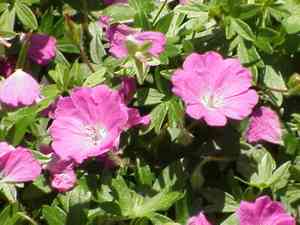
Sticky fagonbush 1 should be relocated during its peak growth period, from early to late spring, to ensure the best root development. Select a sunny spot with good drainage for superior outcomes. Steer clear of overly wet ground, and make certain the roots are not disturbed.
What Preparations are Needed Before Relocating Sticky Fagonbush?
What is the Ideal Time for Relocating Sticky Fagonbush?
The best time for moving sticky fagonbush is during mid to late spring, as the ground warms, promoting robust root growth. Transplanting at this point ensures the plant establishes well prior to the demanding summer months. This timeframe offers optimal conditions for development and adaptation, fostering long-term health and vitality.
How Much Space Should You Leave Between Sticky Fagonbush Plants?
When relocating sticky fagonbush, ensure you position the plants 12-18 inches (30-45 cm) apart. This spacing provides each plant ample room to grow without crowding, guaranteeing healthy development and optimal access to sunlight.
What is the Best Soil Mix for Sticky Fagonbush Relocation?
Select well-draining soil for sticky fagonbush. A blend of sandy soil and compost works effectively. Before planting, enrich the base soil with a balanced fertilizer to give your plants a healthy start. Avoid heavy clay soils as they hold too much moisture.
Where Should You Relocate Your Sticky Fagonbush?
Sticky fagonbush thrives in full sunlight. Choose a sunny spot in your garden that receives at least 6-8 hours of direct sunlight daily. This ensures the plant grows strong and blooms profusely.
What Equipments Should You Prepare Before Relocating Sticky Fagonbush?
Gardening Gloves
To safeguard your hands while handling soil and the plant.
Shovel or Spade
For excavating the plant and preparing the new planting location.
Trowel
Useful for precise work around the plant's root system.
Watering Can or Hose
To hydrate the plant before and after relocation.
Pruning Shears
For trimming any damaged roots or stems.
How Do You Remove Sticky Fagonbush from the Soil?
How Do You Remove Sticky Fagonbush from the Soil?
From Ground: First, water the sticky fagonbush plant to moisten the soil. Then, dig a wide trench around the plant using a shovel or spade, ensuring the plant's root ball remains intact. Carefully work the spade beneath the root ball to lift the plant from its original spot.From Pot: Gently water the sticky fagonbush plant a few hours before relocating. Tilt the pot sideways and carefully ease the plant out, supporting its base while gently loosening the pot. If the roots are tightly coiled, gently untangle them.From Seedling Tray: Water the seedlings before relocating. Use a trowel or your fingers to release each seedling by gently pressing from the bottom and supporting the root system.
Step-by-Step Guide for Relocating Sticky Fagonbush
Site Preparation
Prepare the new location by digging a hole that is twice the width and the same depth as the sticky fagonbush plant’s root ball.
Plant Placement
Position the plant into the hole, ensuring it sits at the same depth as it was previously growing. Gently spread out the roots with your fingers to encourage outward growth.
Backfilling
Fill the hole back in with the soil you removed earlier, gently packing it around the roots to eliminate air pockets, but avoid compacting the soil too much.
Watering In
Water the plant thoroughly after backfilling to help settle the soil and eliminate any remaining air pockets.
How Do You Care For Sticky Fagonbush After Relocation?
Watering
Keep the soil around the sticky fagonbush consistently moist, but not waterlogged, for the first few weeks after relocating to help establish strong roots.
Mulching
Apply a layer of mulch around the base of the plant to help retain moisture and regulate soil temperature.
Monitoring
Regularly check for signs of stress such as wilting or yellowing leaves, and adjust care as needed.
Troubleshooting Common Issues with Sticky Fagonbush Relocation.
When is the best time to relocate sticky fagonbush?
Mid to late spring is ideal for relocating sticky fagonbush to ensure optimal growth.
How much space should I leave between each plant?
Each sticky fagonbush plant should be spaced 12-18 inches (30-45 cm) apart for best growth.
How can I prepare the soil for sticky fagonbush before relocating?
Loosen the soil to a depth of 12 inches (30 cm) and mix in compost for better drainage.
What should I do if my sticky fagonbush plant wilts after relocating?
Water deeply and ensure good soil drainage. Partial shade can help reduce relocation shock.
Should I water my sticky fagonbush right after relocating?
Yes, water immediately to settle the soil and give the roots a good start.
How deep should the planting hole be for sticky fagonbush?
The hole should be as deep as the root ball and twice as wide for sticky fagonbush.
What type of light is best after relocating sticky fagonbush?
Morning sunlight with partial afternoon shade helps sticky fagonbush acclimate better after relocating.
Can I use mulch around my newly relocated sticky fagonbush?
A light layer of mulch can help retain moisture but avoid covering the stem.
How can I reduce relocation shock for sticky fagonbush?
Relocate on a cool, cloudy day and water thoroughly. Avoid disturbing the roots too much.
How often should I water sticky fagonbush after relocating?
Water daily for the first week, then reduce to thrice weekly as the plant establishes.



