How to Propagate Sticky fagonbush?
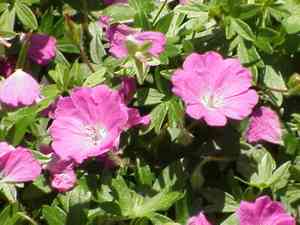
Sticky fagonbush flourishes in dry environments, distinguished by its diminutive, acicular foliage and periodic blossoms. To achieve successful propagation, utilize cuttings harvested from robust, established specimens. Verify that the cuttings are situated in substrate that drains effectively, and sustain a steady hydration level without excessive watering. This variety benefits from ample sunlight, which assists in the formation of roots. After it has taken root, sticky fagonbush proves to be a hardy inclusion in any water-wise landscape.
Optimal Period for Sticky Fagonbush Propagation
Propagation Method
Cutting
Propagation Period
Spring,Summer
Essential Tools for Sticky Fagonbush Propagation
Pruning Shears
Pruning shears are vital for obtaining cuttings from sticky fagonbush. They ensure clean, precise cuts, which are crucial for preventing harm to the parent plant and encouraging successful root growth in the cutting.
Rooting Hormone
Rooting hormone aids in stimulating root development in sticky fagonbush cuttings, enhancing the likelihood of successful propagation. It contains auxins, which are plant hormones that promote root formation.
Propagation Trays
Propagation trays offer a controlled setting for sticky fagonbush cuttings to root. They facilitate proper air circulation and moisture retention, which are critical for the initial growth phases.
Growing Medium
A well-draining growing medium like perlite or a sand-peat blend is perfect for sticky fagonbush. It prevents waterlogging while providing essential support and nutrients to the developing roots.
Misting Bottle
A misting bottle helps maintain high humidity levels around the sticky fagonbush cuttings without saturating the soil. Consistent moisture is necessary to prevent dehydration and promote root formation.
Heat Mat
A heat mat maintains a consistent temperature for sticky fagonbush cuttings, promoting faster root development. This tool is particularly useful in cooler climates or during colder months.
Humidity Dome
A humidity dome creates a mini greenhouse effect over the sticky fagonbush cuttings, ensuring high humidity and stable temperature. This environment reduces water stress on the cuttings and encourages rooting.
How to Propagate Sticky Fagonbush?
Propagation Type
Moderately Difficult
Caring for Your Newly Propagated Sticky Fagonbush
Caring for Your Newly Propagated Sticky Fagonbush?
Once roots have formed, typically within 4-6 weeks, gradually introduce the new plants to standard growing conditions by increasing their exposure to direct sunlight and reducing humidity. Transplant the rooted cuttings into individual pots with a well-draining cactus or succulent mix. Water the young plants sparingly and keep them in a location with ample sunlight. Sticky fagonbush thrives in dry, sunny conditions and should be protected from overwatering and extreme cold.
Common Propagation Errors to Avoid with Sticky Fagonbush
Improper Soil Preparation
Using soil that is too dense or poorly draining, leading to waterlogging and root rot.
Overwatering
Frequent watering can lead to fungal diseases and root rot as sticky fagonbush prefers drier conditions.
Incorrect Light Conditions
Placing sticky fagonbush in insufficient light can cause weak, leggy growth.
Over-fertilization
Applying too much fertilizer can burn the roots or lead to excessive foliage growth at the expense of root development.
Inaccurate Cutting and Handling
Taking cuttings that are too immature or handling them improperly can hinder successful rooting.
Tips For Propagating Sticky Fagonbush
Well-Draining Soil
Use a cactus or succulent mix to ensure proper drainage and avoid waterlogged roots.
Moderate Watering
Allow the soil to dry out between waterings to mimic sticky fagonbush's natural arid environment and avoid root rot.
Optimal Lighting
Place sticky fagonbush in a bright, sunny spot, preferably with full sunlight exposure, to ensure robust growth.
Balanced Fertilization
Use a balanced, diluted fertilizer sparingly to provide necessary nutrients without overwhelming the plant.
Careful Cutting Selection and Handling
Choose semi-mature cuttings and handle them gently, using rooting hormone to encourage successful root development.



