How to Transplant California fagonbush?
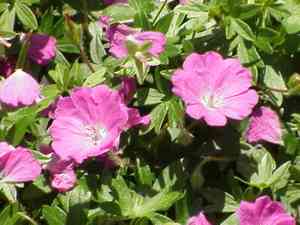
Relocate California fagonbush during the favorable period of late spring through midsummer, as elevated temperatures foster vigorous development. Opt for locations receiving ample sunlight and possessing good drainage. Promote root establishment by consistently hydrating the soil, thereby preventing significant strain on these hardy plants.
Necessary Preparations Before Relocating California Fagonbush
Optimal Period for Moving California Fagonbush?
The perfect time to move your california fagonbush is at the start of the blooming seasons, from the warmth of late spring to the peak of mid-summer. This period aligns with the natural growth surge of perennials, providing california fagonbush the strong beginning it needs for root establishment. Choosing this timeframe offers the benefit of longer days and mild temperatures, aiding the california fagonbush's transition into new soil with minimal stress. Beneficial for both the environment and your garden, transplanting california fagonbush during this phase combines the plant's inherent strength with seasonal growth signals, ensuring a smooth integration with nature's rhythm.
Required Spacing Between California Fagonbush Plants?
When getting ready to plant your california fagonbush, aim to give each plant ample room to flourish. A comfortable distance of 12-18 inches (30-46 cm) between each plant will be ideal. This allows roots to spread and plants to grow without becoming too crowded.
Best Soil Blend for California Fagonbush Relocation?
For your california fagonbush to truly thrive, incorporate well-draining soil with a generous amount of organic material. A small amount of all-purpose, slow-release fertilizer will prepare the ground for vigorous growth. Ensure everything is thoroughly mixed before planting.
Ideal Location for Your California Fagonbush?
Your california fagonbush loves basking in sunlight! Select a spot that receives full sun, where it can enjoy the sun's rays for most of the day. This sunny location will make your california fagonbush feel perfectly at home.
Equipment Needed Before Transplanting California Fagonbush?
Gardening Gloves
To safeguard your hands while handling soil and plants.
Shovel or Spade
Used for excavating the california fagonbush from its current spot and preparing the new planting site.
Garden Fork
To loosen the soil surrounding the root ball when extracting the california fagonbush from its original position.
Wheelbarrow or Garden Cart
For moving the california fagonbush and soil to its new destination.
Pruning Shears
To trim any damaged roots or foliage prior to transplanting.
Watering Can or Hose
To hydrate the california fagonbush before, during, and after the transplant process.
Mulch
To help maintain soil moisture and reduce weed competition at the new location.
How to Extract California Fagonbush from the Ground?
How to Extract California Fagonbush from the Ground?
From Ground: First, water the california fagonbush plant to moisten the soil. Next, dig a wide trench around the plant using a shovel or spade, ensuring the plant's root ball remains intact. Carefully work the spade beneath the root ball to lift the plant from its original spot.From Pot: Water the california fagonbush thoroughly beforehand. Turn the pot on its side and tap the bottom and sides to loosen the soil. Gently slide the california fagonbush out of the pot, taking care not to pull on the stem.
Detailed Steps for Transplanting California Fagonbush
Preparation
Water the california fagonbush thoroughly the day before transplanting to ensure the soil and roots are well-hydrated, making it easier to remove the plant with minimal stress. Moist soil also helps keep the root ball intact during the process.
Digging the New Hole
Excavate a hole in the chosen location that is twice as wide and as deep as the california fagonbush's root ball to encourage root development. Loosen the surrounding soil with a garden fork.
Root Trimming
Examine the root ball of the california fagonbush and prune any broken or excessively long roots with pruning shears to promote healthy growth.
Placement
Position the california fagonbush in the center of the new hole, ensuring it sits at the same depth it was previously growing. Partially fill the hole with soil and water it to settle the roots and remove air pockets. Then fill the remainder of the hole with soil.
Stabilizing
Gently pat down the soil around the california fagonbush to secure it. Avoid compacting it too much, as this can impede root growth.
Mulching
Apply a layer of mulch around the base of the california fagonbush, leaving some space around the stem. This helps retain moisture and regulate soil temperature.
Final Watering
Water the transplanted california fagonbush deeply to help it establish in its new location. Ensure the water reaches the root zone.
Monitoring
Observe the california fagonbush over the next few weeks for signs of transplant shock, such as wilting or discolored leaves, and address them promptly.
Post-Transplant Care for California Fagonbush
Watering
Provide the california fagonbush with consistent moisture, especially during the initial weeks after transplanting. Pay close attention to the soil's moisture level and adjust watering as needed.
Support
Depending on the california fagonbush's size, staking might be necessary to ensure it remains upright and stable as its roots re-establish.
Pruning
Trim any dead or damaged foliage to help the california fagonbush direct its energy towards establishing new roots.
Monitoring
Regularly inspect the california fagonbush for signs of stress, pests, or diseases. Early detection and treatment can help the plant recover smoothly from the transplanting process.
Resolving Common Issues with California Fagonbush Transplantation.
When is the best time to transplant california fagonbush?
The ideal transplanting period is from late spring to mid-summer, when growth is most active.
How far apart should I space california fagonbush when transplanting?
Space california fagonbush 12-18 inches (30-45 cm) apart to allow sufficient room for growth and air circulation.
How do I prepare the soil for transplanting california fagonbush?
Improve the soil with compost and ensure it drains well before planting california fagonbush.
What's the ideal depth for planting california fagonbush?
Dig a hole as deep as the root ball and twice as wide to accommodate california fagonbush's growth.
Can california fagonbush be transplanted in full sun?
Yes, california fagonbush thrives in full sun but can endure partial shade. Choose a sunny spot for optimal results.
Why are my transplanted california fagonbush's leaves wilting?
Wilting may indicate shock. Keep the soil moist and avoid direct sun for a week after transplant.
How often should I water california fagonbush after transplanting?
Water california fagonbush thoroughly after transplanting, then regularly until established, but be careful not to overwater.
What should I do if california fagonbush isn't growing after transplant?
Ensure it receives adequate sunlight, water, and nutrients. If it continues to struggle, check for root damage.
How do I avoid damaging california fagonbush's roots when transplanting?
Gently remove california fagonbush from its current container and untangle roots if pot-bound before transplanting.
Should I fertilize california fagonbush after transplanting?
It's not necessary to fertilize immediately. Wait several weeks for california fagonbush to settle in before fertilizing lightly.



